Skip to content
  • Home
  • Cyber Map
  • About Us – Contact
  • Disclaimer
  • Terms and Rules
  • Privacy Policy
Cyber Web Spider Blog – News

Cyber Web Spider Blog – News

Globe Threat Map provides a real-time, interactive 3D visualization of global cyber threats. Monitor DDoS attacks, malware, and hacking attempts with geo-located arcs on a rotating globe. Stay informed with live logs and archive stats.

  • Home
  • Cyber Map
  • Cyber Security News
  • Security Week News
  • The Hacker News
  • How To?
  • Toggle search form
Fortinet FortiMail Vulnerability Puts Email Systems at Risk

Fortinet FortiMail Vulnerability Puts Email Systems at Risk

Posted on October 2, 2026 By CWS

Fortinet has issued a warning about an actively exploited critical vulnerability in FortiMail, their email security solution. This zero-day flaw, identified as CVE-2026-104286, poses a significant risk to exposed systems by allowing unauthorized file writes through crafted HTTP or HTTPS requests, without needing login credentials.

Immediate Action Advised for Fortinet Customers

On October 1, 2026, Fortinet released advisory FG-IR-26-175, urging immediate implementation of workarounds. At the time of disclosure, security patches were still forthcoming for several affected versions, highlighting the urgency for organizations to act swiftly to safeguard their systems.

The vulnerability stems from two underlying issues: path traversal (CWE-22) and improper NULL byte handling (CWE-158). These weaknesses enable attackers to execute unauthorized file writes, which could compromise the integrity of the security appliance without requiring user credentials.

Understanding the Impact of the FortiMail Vulnerability

This vulnerability is more severe than typical login issues as it allows attackers to bypass authentication altogether. Although Fortinet has not detailed the complete attack chain or the extent of affected organizations, the exploitation of this flaw has been confirmed.

Discovered by Gwendal Guégniaud from Fortinet’s Product Security team, the issue remains without a virtual patch, prompting administrators to mitigate risks by following the provided guidance without delay.

Recommendations for Mitigating Risks

The affected FortiMail releases include versions 8.0.0 to 8.0.1, 7.6.0 to 7.6.6, 7.4.0 to 7.4.8, and 7.2.0 to 7.2.9. Fortinet plans to address these vulnerabilities in upcoming updates, specifically versions 8.0.2, 7.6.7, and 7.4.9, among others.

For users of FortiMail 7.2, the recommendation is to upgrade to at least version 7.4. Administrators should disable the IBE feature via the command-line interface or restrict management access to trusted networks as interim protections.

Detecting and Responding to Potential Breaches

Fortinet has identified several indicators for security teams to monitor, including specific file modifications and suspicious IP addresses. Notably, suspicious files and configurations, such as a rogue archive account, require thorough investigation to assess potential breaches.

Security teams should remain vigilant, checking for abnormal cron jobs or configuration discrepancies. Implementing the suggested workarounds and monitoring for unusual activity are crucial steps in protecting systems from this vulnerability.

Organizations must stay updated with Fortinet’s latest advisories and maintain rigorous log inspections to detect any anomalies. By limiting public management access and preserving critical logs, teams can better evaluate if their systems have been compromised.

Cyber Security News Tags:CVE-2026-104286, Cybersecurity, email security, FortiMail, Fortinet, NULL byte handling, path traversal, security advisory, System Exploitation, Vulnerability, zero-day

Post navigation

Previous Post: Node.js ImageResponse Flaw Risks Remote Code Execution

Related Posts

Top 10 Best Data Removal Services In 2026 Top 10 Best Data Removal Services In 2026 Cyber Security News
Hackers Exploit QR Codes to Evade Email Security Hackers Exploit QR Codes to Evade Email Security Cyber Security News
Mac Users Targeted by Fake Zoom Installer and CloudSyncD Backdoor Mac Users Targeted by Fake Zoom Installer and CloudSyncD Backdoor Cyber Security News
New Phising Attack Targeting Travellers from Hotel’s Compromised Booking.com Account New Phising Attack Targeting Travellers from Hotel’s Compromised Booking.com Account Cyber Security News
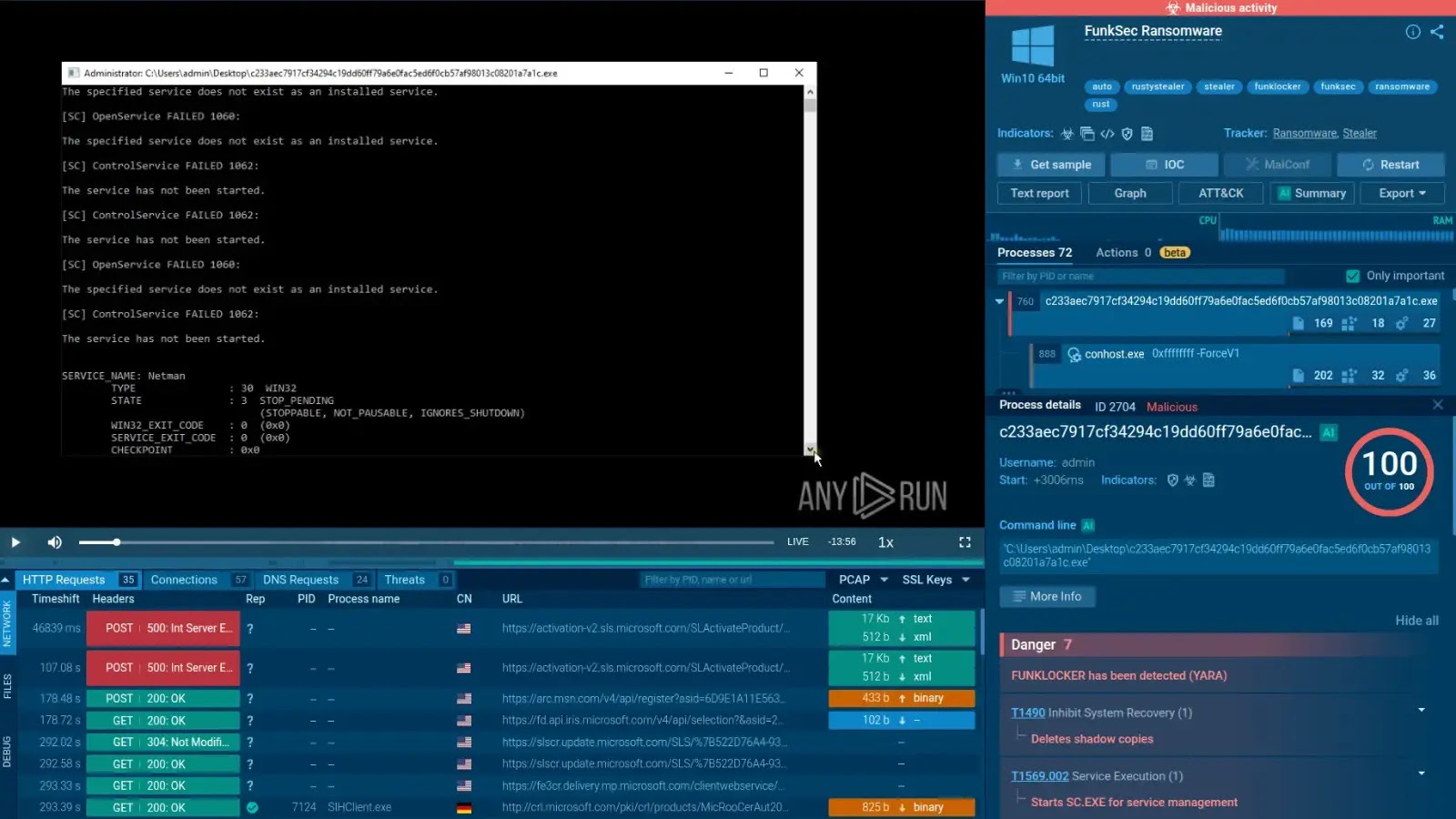
AI-Powered FunkLocker Ransomware Leverages Windows utilities to Disable Defenses AI-Powered FunkLocker Ransomware Leverages Windows utilities to Disable Defenses Cyber Security News
CISA Alerts on GitLab Vulnerability Exploitation CISA Alerts on GitLab Vulnerability Exploitation Cyber Security News

Categories

  • Cyber Security News
  • How To?
  • Security Week News
  • The Hacker News

Recent Posts

  • Fortinet FortiMail Vulnerability Puts Email Systems at Risk
  • Node.js ImageResponse Flaw Risks Remote Code Execution
  • Hackers Exploit Defender Exclusions to Bypass Antivirus
  • Microsoft Activates Windows 11 Backup Setting for Businesses
  • Mac Users Targeted by Fake Zoom Installer and CloudSyncD Backdoor

Pages

  • About Us – Contact
  • Disclaimer
  • Privacy Policy
  • Terms and Rules

Archives

  • October 2026
  • September 2026
  • August 2026
  • July 2026
  • June 2026
  • May 2026
  • April 2026
  • March 2026
  • February 2026
  • January 2026
  • December 2025
  • November 2025
  • October 2025
  • September 2025
  • August 2025
  • July 2025
  • June 2025
  • May 2025

Recent Posts

  • Fortinet FortiMail Vulnerability Puts Email Systems at Risk
  • Node.js ImageResponse Flaw Risks Remote Code Execution
  • Hackers Exploit Defender Exclusions to Bypass Antivirus
  • Microsoft Activates Windows 11 Backup Setting for Businesses
  • Mac Users Targeted by Fake Zoom Installer and CloudSyncD Backdoor

Pages

  • About Us – Contact
  • Disclaimer
  • Privacy Policy
  • Terms and Rules

Categories

  • Cyber Security News
  • How To?
  • Security Week News
  • The Hacker News

Copyright © 2026 Cyber Web Spider Blog – News.

Powered by PressBook Masonry Dark