The increasing threat from upstream software supply chain attacks has made scanning third-party dependencies an essential practice in 2026. As a result, selecting an effective Software Composition Analysis (SCA) tool is crucial for maintaining cybersecurity. This article evaluates the top SCA tools of the year, highlighting their strengths and unique features.
Leading SCA Tools for Developers
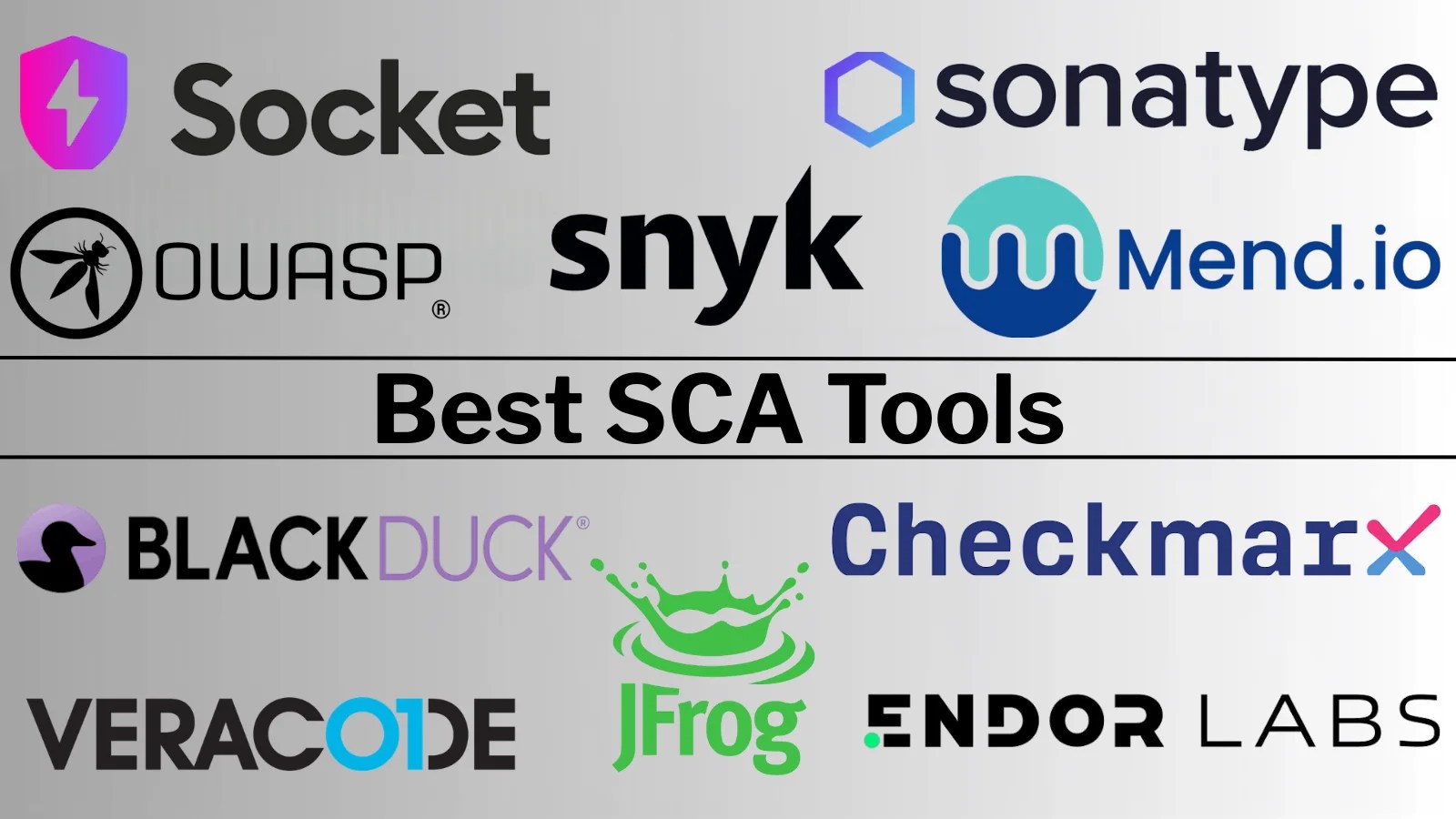
In our evaluation of various SCA solutions, Snyk emerged as the leading developer platform. Snyk excels in transforming vulnerability findings into practical fixes, aided by AI-assisted remediation and automated pull requests. Its platform offers a broad range of features, including IDE integration and license checks, making it a favorite among developers. However, the scaling cost per developer can be a concern for some organizations.
Following closely is Sonatype, which provides exceptional control over ingestion points. Sonatype’s Repository Firewall and in-depth research capabilities enable it to block malicious components effectively. This proactive approach, combined with comprehensive supply-chain research, positions Sonatype as a vital tool in preventing security breaches.
Innovative Approaches in SCA
Endor Labs stands out for its reachability triage, which significantly reduces alert noise by verifying the invocation of vulnerable functions. This approach ensures that only relevant threats are prioritized. Endor Labs’ combination of call-graph analysis and threat research makes it a noteworthy contender in the SCA landscape.
Mend, known for its remediation automation, tackles the bottleneck of update management with its Renovate tool. By integrating SCA analysis and supply-chain defense, Mend provides a seamless experience for enterprises needing continuous updates across their portfolios.
Specialized SCA Capabilities
Socket offers robust defense against malicious packages through behavioral analysis. Its ability to identify and mitigate supply chain attacks before they manifest as vulnerabilities is a significant advantage. While Socket’s free tier is beneficial, advanced features require a paid plan.
Black Duck excels in legal-grade compliance, providing detailed snippet analysis and a comprehensive KnowledgeBase. As a standalone entity post-spin-out, Black Duck remains a reliable choice for M&A due diligence and license compliance.
Other notable tools include JFrog Xray, which integrates seamlessly with Artifactory, and Checkmarx SCA, which unifies third-party risk management with static code analysis findings. Veracode SCA offers unified compliance governance, and OWASP Dependency-Check serves as an open-source solution for self-hosted environments.
Conclusion: Choosing the Right SCA Tool
Selecting the right SCA tool depends on specific organizational needs. While Snyk sets the standard for developer experience, Sonatype provides unmatched security at ingestion points. Endor Labs’ effective alert management and Mend’s automation capabilities further enhance the security posture of enterprises. It is essential to assess these tools based on their ability to reduce risk and improve fix rates.
In conclusion, organizations must prioritize SCA tools that align with their security strategies and infrastructure requirements. As threats continue to evolve, having the right tools in place will be crucial for safeguarding software supply chains.