In 2026, data privacy management has transformed into a complex challenge, moving beyond policy issues to a critical data-engineering concern. The inability to locate data for deletion requests highlights the need for efficient data management. With more U.S. states enacting stringent AI-governance regulations, organizations relying on outdated methods like spreadsheets face increasing penalties.
Top Platforms for Data Privacy Management
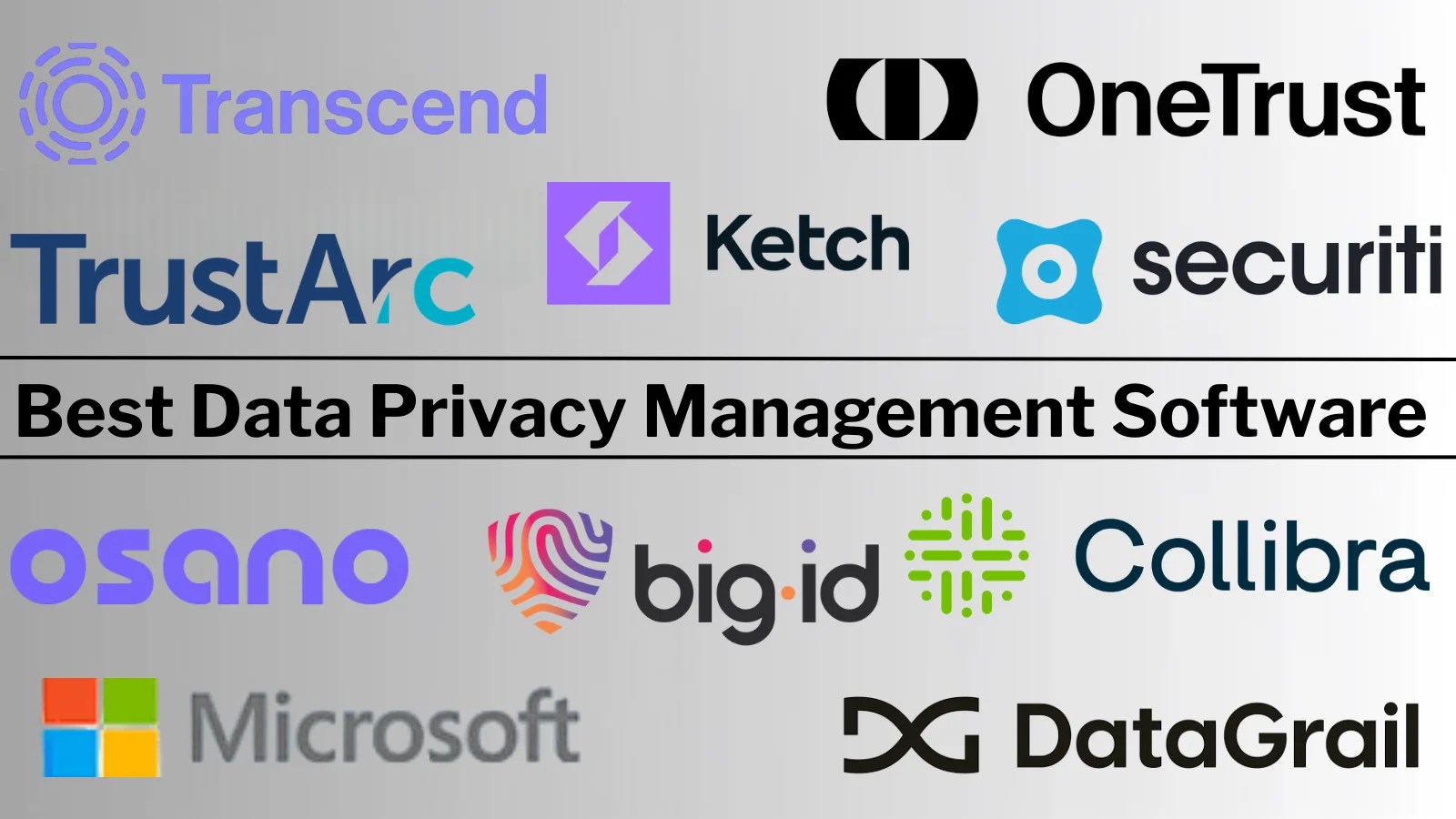
To address these challenges, ten leading data privacy software platforms were evaluated based on their discovery capabilities, DSAR automation, consent management, and accessibility for mid-market users. OneTrust emerged as the top performer, serving as the industry’s operating system, while Securiti and BigID also secured top positions due to their innovative approaches to data security and privacy management.
Evaluation Criteria and Methodology
The evaluation of these platforms was based on several criteria, including the depth of data discovery, the automation of DSAR processes, the breadth of regulatory coverage, and pricing accessibility. Emphasis was placed on automation and discovery capabilities, which each constituted 25% of the overall scoring. Consent orchestration and pricing accessibility were also considered, accounting for 15% each.
Detailed Insights into Leading Platforms
OneTrust is recognized for its comprehensive privacy operations suite, offering tools for assessments, consent management, and DSAR processing at scale. Securiti is noted for its data-intelligent automation, mapping personal data across cloud services to automate key privacy functions. Meanwhile, BigID focuses on discovery-first privacy, excelling in identity correlation crucial for legal compliance with data access and deletion requests.
Other notable platforms include TrustArc, which is acclaimed for its thorough assessment capabilities, and Osano, known for its simplicity and mid-market focus. Ketch offers programmatic consent solutions, while DataGrail is valued for its extensive SaaS integration capabilities, facilitating DSAR processes across third-party applications.
Conclusion and Future Outlook
The landscape of data privacy management in 2026 is marked by a blend of robust automation, comprehensive data discovery, and practical compliance solutions. Organizations are encouraged to evaluate their specific needs, such as program management or SaaS integration, when selecting a platform. As regulations evolve, the ability to adapt quickly will be crucial, making template update velocity a key consideration for future software selections.