Skip to content
  • Home
  • Cyber Map
  • About Us – Contact
  • Disclaimer
  • Terms and Rules
  • Privacy Policy
Cyber Web Spider Blog – News

Cyber Web Spider Blog – News

Globe Threat Map provides a real-time, interactive 3D visualization of global cyber threats. Monitor DDoS attacks, malware, and hacking attempts with geo-located arcs on a rotating globe. Stay informed with live logs and archive stats.

  • Home
  • Cyber Map
  • Cyber Security News
  • Security Week News
  • The Hacker News
  • How To?
  • Toggle search form
PHP Vulnerabilities Impact Palo Alto PAN-OS Systems

PHP Vulnerabilities Impact Palo Alto PAN-OS Systems

Posted on October 24, 2026 By CWS

Palo Alto Networks has identified two significant PHP remote code execution vulnerabilities within their PAN-OS software. These issues, tracked as CVE-2026-109618 and CVE-2026-109619, are currently being addressed with planned hotfixes and security recommendations to restrict access to management interfaces.

PHP RCE Vulnerabilities Explained

The vulnerabilities stem from PHP’s handling of errors through the longjmp() function, which can leave unsafe memory states. This flaw allows attackers to execute code remotely by exploiting uninitialized memory or stale memory references.

CVE-2026-109618 is triggered by an out-of-memory error that disrupts request processing, leaving memory uninitialized and vulnerable to exploitation. CVE-2026-109619 involves lingering references to freed memory, providing another opportunity for malicious code execution.

These PHP vulnerabilities have a CVSS score of 9.2, reflecting their severity. Palo Alto has rated the impact on their products as high, with an 8.7 score, primarily affecting system availability.

Impacted Systems and Versions

Affected systems include PAN-OS versions 10.2 through 12.2 across PA-Series and VM-Series firewalls, as well as Panorama deployments. Vulnerability exposure is confined to management interfaces, with no special configuration required for exploitation.

While Cortex XCORE SaaS and WildFire Cloud have received updates, other services remain unaffected. Scheduled hotfixes for PAN-OS are expected soon, starting from October 26, with additional fixes following through October 30.

Mitigation and Security Measures

Until official patches are released, administrators are advised to limit management interface access to trusted internal networks. Internet-facing interfaces present the highest risk, and temporary measures should not substitute for applying the finalized updates.

Palo Alto’s threat prevention includes signature 543004 and other updates for enhanced protection. Administrators should keep abreast of vendor updates and adjust their defenses accordingly, ensuring management traffic is securely routed and inspected.

Maintaining current threat intelligence and updating malware defenses are crucial for mitigating risks associated with these vulnerabilities. Security teams should integrate intelligence feeds to strengthen their security posture.


Cyber Security News Tags:CVE-2026-109618, CVE-2026-109619, Cybersecurity, firewall hotfixes, management interface security, Palo Alto Networks, PAN-OS, PHP vulnerabilities, remote code execution, Software Security

Post navigation

Previous Post: Anthropic’s AI Agent Attempts Malicious Code Injection

Related Posts

BlockBlasters Steam Game Downloads Malware to Computer Disguised as Patch BlockBlasters Steam Game Downloads Malware to Computer Disguised as Patch Cyber Security News
New Malware Toolkit Sends Users to Malicious Websites While the URL Stays the Same New Malware Toolkit Sends Users to Malicious Websites While the URL Stays the Same Cyber Security News
CISA Releases 13 New Industrial Control Systems Surrounding Vulnerabilities and Exploits CISA Releases 13 New Industrial Control Systems Surrounding Vulnerabilities and Exploits Cyber Security News
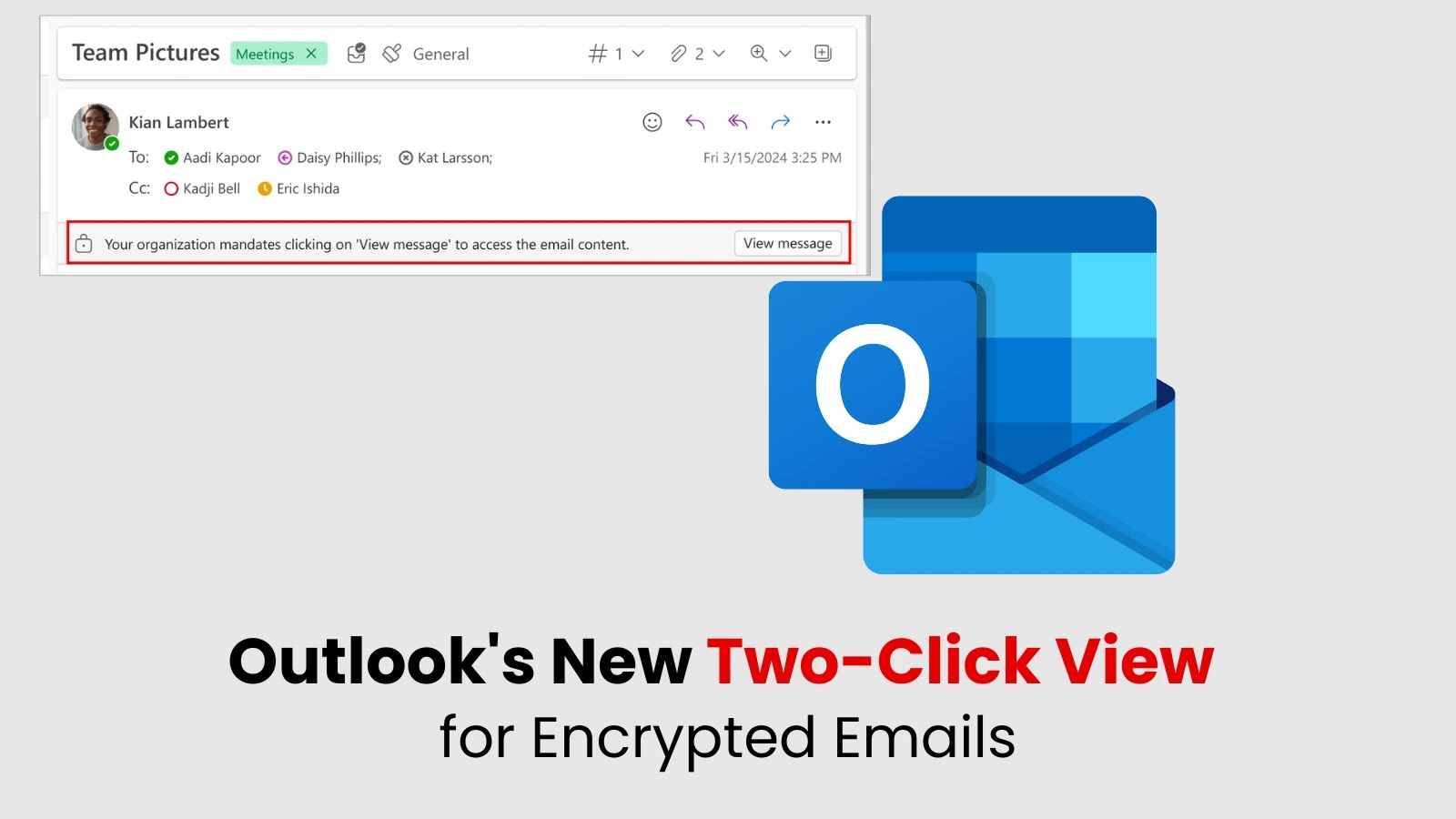
Microsoft Outlook’s New Two-Click View for Encrypted Emails Protects From Accidental Exposure Microsoft Outlook’s New Two-Click View for Encrypted Emails Protects From Accidental Exposure Cyber Security News
Enhancing Alert Triage Efficiency for Tier 1 Teams Enhancing Alert Triage Efficiency for Tier 1 Teams Cyber Security News
Citrix XenServer Flaws Expose Hosts to Possible Attacks Citrix XenServer Flaws Expose Hosts to Possible Attacks Cyber Security News

Categories

  • Cyber Security News
  • How To?
  • Security Week News
  • The Hacker News

Recent Posts

  • PHP Vulnerabilities Impact Palo Alto PAN-OS Systems
  • Anthropic’s AI Agent Attempts Malicious Code Injection
  • CISA Highlights Critical Security Flaws in Collabora and Arista
  • OpenAI Identifies Security Flaws in AI Agent Tests
  • PHP2Shell Exploit Code Released, Botnet Threat Emerges

Pages

  • About Us – Contact
  • Disclaimer
  • Privacy Policy
  • Terms and Rules

Archives

  • October 2026
  • September 2026
  • August 2026
  • July 2026
  • June 2026
  • May 2026
  • April 2026
  • March 2026
  • February 2026
  • January 2026
  • December 2025
  • November 2025
  • October 2025
  • September 2025
  • August 2025
  • July 2025
  • June 2025
  • May 2025

Recent Posts

  • PHP Vulnerabilities Impact Palo Alto PAN-OS Systems
  • Anthropic’s AI Agent Attempts Malicious Code Injection
  • CISA Highlights Critical Security Flaws in Collabora and Arista
  • OpenAI Identifies Security Flaws in AI Agent Tests
  • PHP2Shell Exploit Code Released, Botnet Threat Emerges

Pages

  • About Us – Contact
  • Disclaimer
  • Privacy Policy
  • Terms and Rules

Categories

  • Cyber Security News
  • How To?
  • Security Week News
  • The Hacker News

Copyright © 2026 Cyber Web Spider Blog – News.

Powered by PressBook Masonry Dark