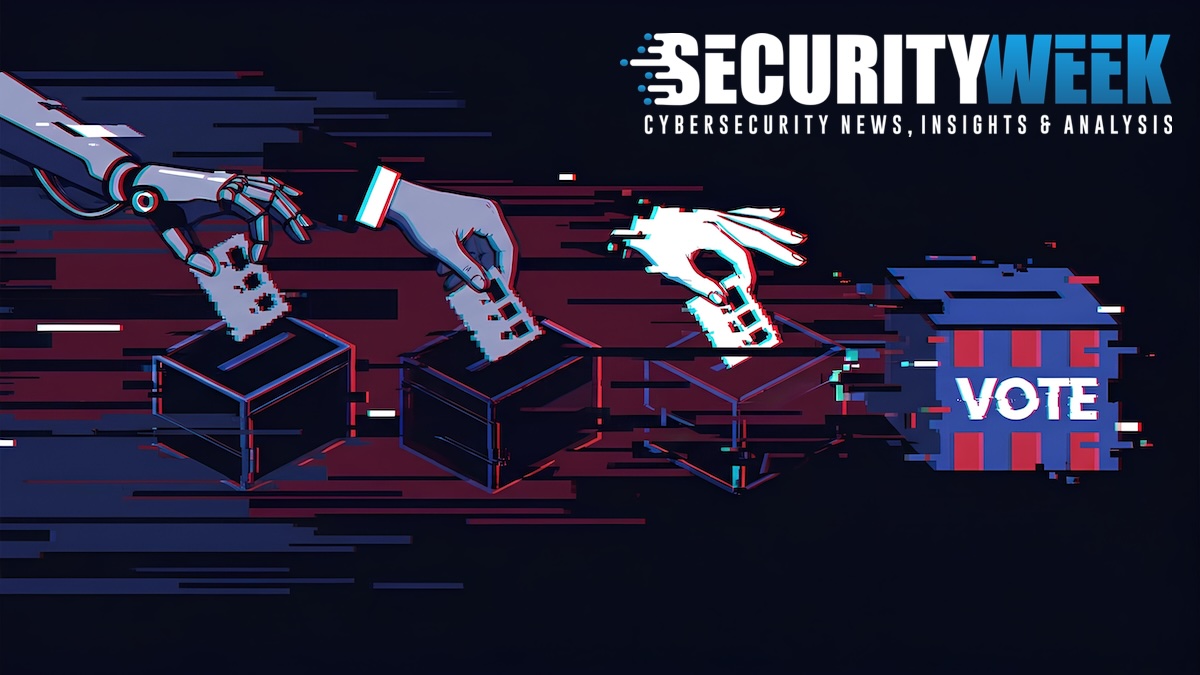
The security of US elections remains a critical issue, with concerns ranging from voting machine vulnerabilities to the influence of artificial intelligence. These challenges pose significant cybersecurity threats, affecting the integrity of ballot counting and voter influence. Additionally, issues like voter registration accuracy and identity verification vary across states, further complicating the election landscape.
Understanding the Voting Process
The US voting system, managed by individual states, involves multiple stages, with considerable variation between jurisdictions. Although many voters use paper ballots, some regions employ ballot-marking devices, which are of particular interest from a cybersecurity perspective. While mail-in voting is an option, this discussion centers on in-person voting using machines certified by the Election Assistance Commission (EAC).
These machines are designed to be air-gapped for security. After voters make their choice, the machine produces a paper ballot with a human-readable section and a barcode or QR code. This ballot is scanned for counting, and the paper copy is retained for verification. However, potential discrepancies between the human-readable and scanned data can raise concerns about the process’s reliability.
Threats from Influence Campaigns
Foreign entities are believed to engage in campaigns to disrupt US elections by undermining public confidence. Such actions can lead to skepticism regarding election outcomes, especially in a nation divided between two major political parties. Though hard evidence of these campaigns is scarce, their potential impact is significant.
Experts argue that US voting machines, while certified, may not be fully secure. Shai Bargil, CEO of Sequent, criticizes the EAC certification process, noting it lacks alignment with the election cycle and fails to address software patching adequately. The risk exists that unpatched machines could be exploited, especially if exposed to environments like DEF CON’s Voting Village, where security researchers test their vulnerabilities.
Enhancing Election Security
Current security measures for voting machines include EAC certification and air-gapping, but these may not suffice. Bargil suggests open-sourcing election software to allow independent scrutiny and verification. This approach could enhance transparency and enable experts to identify vulnerabilities proactively.
Additionally, implementing encrypted voting records that are sent directly to counting systems could ensure votes are tallied correctly. Microsoft’s ElectionGuard project supports similar initiatives with homomorphic encryption to maintain vote integrity.
Despite these technological solutions, the broader challenge lies in defending against influence campaigns. These efforts aim not only to change votes but also to alter public perceptions. AI-driven misinformation can spread rapidly, complicating efforts to maintain trust in democratic processes.
Conclusion: Balancing Technology and Trust
While US elections have not been conclusively compromised, the potential for cybersecurity threats persists. Election officials rely on a combination of pre-election testing, chain-of-custody practices, and post-election audits to safeguard the process. However, the evolving digital landscape and geopolitical tensions make absolute security challenging to achieve.
In conclusion, ensuring election integrity requires a multifaceted approach, balancing technological defenses with efforts to sustain public trust. Open-source software and advanced encryption can enhance security, but addressing the broader issue of influence campaigns remains crucial.