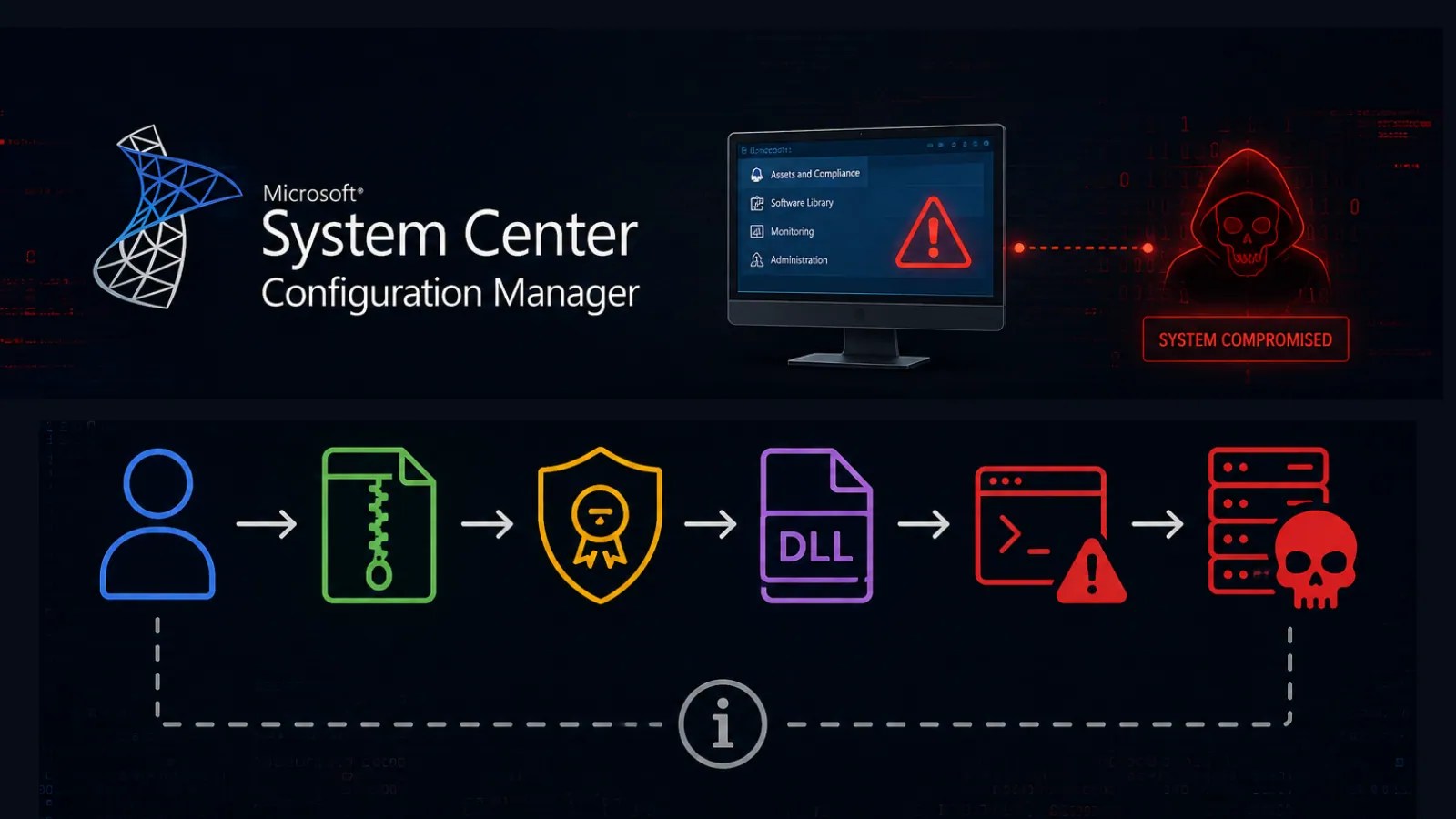
In a significant development in cybersecurity, groups associated with Aur0ra ransomware are now harnessing artificial intelligence tools to streamline complex network intrusions. Using Cursor AI agents, these hackers have advanced from obtaining passwords to gaining domain administrator access, which grants them the highest level of control in Windows networks. This access enables them to gather sensitive data and prepare for potential ransomware deployment.
AI-Powered Attacks on Active Directory
The group known as GOLD OGRE, which is linked to Aur0ra ransomware, has managed to reduce the skill level required for network intrusions by automating processes using AI. While human operators provide VPN access and set objectives, the AI handles the majority of the tasks independently. This development is particularly concerning for companies dependent on Active Directory systems, a target highlighted in previous reports on Aur0ra’s activities.
Investigations by Sophos have revealed these AI-powered actions during assessments of a Cursor-based testing framework. This research, published by Sophos’s Counter Threat Unit in May 2026, found that the same infrastructure was later used to support Cobalt Strike operations related to Aur0ra. Sophos has since alerted affected parties and collaborated with law enforcement to inform other potential victims.
AI Tools Utilized in Network Breaches
In late August, investigators discovered files related to Cursor’s role in both ransomware operations and evasion testing. Hackers employed Cursor to transition from credential access to gaining domain administrator privileges. They circumvented AI safety protocols by framing their activities as authorized security assessments or diagnostics tests. The Composer model from Cursor, along with models from Anthropic, xAI, and Moonshot, facilitated these intrusions.
The attackers initially relied heavily on Anthropic AI but incorporated additional models as they progressed from tool development to network breaches. Other criminal groups have similarly used tools like Claude AI for ransomware planning, indicating a growing trend.
Implications and Defensive Measures
Once the AI agents gained access, they conducted extensive network mapping, identified vulnerabilities, and pursued powerful accounts. They executed commands, navigated between machines, and scanned file shares and backups, utilizing techniques such as password spraying and NTLM coercion. Common tools like SharpShares and NetExec were also employed, which have been reported in other ransomware activities.
In some cases, the attackers achieved domain management access, with several victims later appearing on the Aur0ra leak site. Stolen data was transferred to S3-compatible storage, with logs indicating Russian language use, suggesting Russian-speaking operators.
Reports from Gambit Security and CloudSEK in August 2026 revealed additional details aligning with findings from an exposed open directory server. These include Windows and Linux versions of Aur0ra ransomware and Cursor chat logs. The reports mentioned Claude 4.5-Sonnet agents in semi-automated breaches, further demonstrating AI’s role in these attacks.
Strategic Recommendations
Sophos researchers express confidence in GOLD OGRE’s use of AI to evaluate evasion capabilities, subsequently sharing this technology with Aur0ra operators. They anticipate that other ransomware groups will incorporate similar AI agents into their operations. To counter these threats, basic defenses remain crucial, such as updating internet-facing systems, implementing phishing-resistant multi-factor authentication, and monitoring EDR alerts closely.
Rapid response is essential as AI accelerates each intrusion phase. Organizations should limit intruder movement by segmenting critical servers, isolating backups, reviewing domain administrator privileges, and employing privileged access management. Implementing application controls can also hinder unauthorized access.