As cyber threats continue to evolve, the need for effective security policy management tools becomes paramount. In 2026, organizations rely heavily on both network security policy management (NSPM) and written-policy lifecycle tools to ensure robust protection. This article delves into the top solutions that cater to these needs, ranking them based on their capabilities and effectiveness.
The Leading Network Security Policy Management Tools
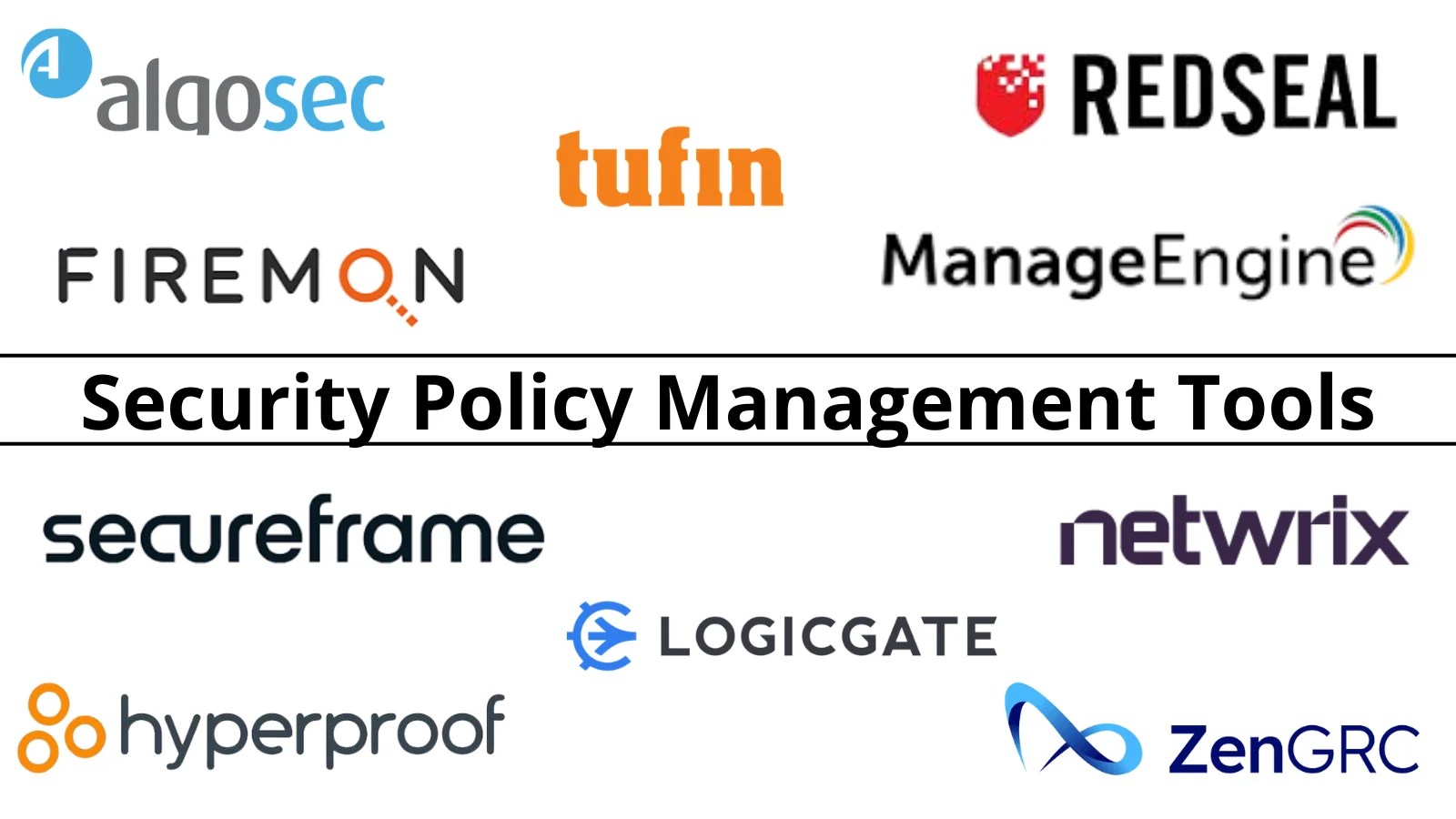
Network security policy management tools are essential for handling firewall rulebases and ensuring seamless change automation. Tufin leads the pack with its exceptional hybrid-estate orchestration capabilities, making it ideal for large-scale operations. AlgoSec follows closely, offering application-centric analysis that translates network complexities into business-friendly terms. FireMon rounds out the top three with its real-time rulebase audit, perfect for environments that require constant monitoring and compliance checks.
Each of these tools offers unique advantages. Tufin excels in managing extensive multi-vendor firewall fleets, while AlgoSec’s strength lies in its ability to map connectivity flows to business applications. FireMon stands out for its real-time monitoring and cleanup analytics, making it an indispensable choice for organizations with dynamic environments.
Top Solutions for Written-Policy Lifecycle Management
On the document management front, tools like LogicGate and Hyperproof dominate the landscape. LogicGate is praised for its no-code policy workflow, allowing teams to easily create and manage policies without deep technical expertise. Hyperproof, on the other hand, offers comprehensive framework mapping, linking policies to multiple compliance requirements seamlessly.
Secureframe and ZenGRC also make significant contributions to the written-policy space. Secureframe provides a cert-integrated policy library that simplifies audit preparation, while ZenGRC focuses on lean lifecycle management, ensuring policies remain relevant and compliant over time.
Evaluating and Choosing the Right Tool
When selecting a security policy management tool, organizations should first determine their specific needs—whether they require network management, document lifecycle management, or both. For network-focused solutions, understanding device count and vendor mix is crucial. Meanwhile, those focusing on document policies should prioritize tools that offer robust attestation tracking and framework mapping capabilities.
It’s also essential to consider the ease of integration and the level of automation offered by each tool. Effective policy management solutions should streamline operations, reduce manual intervention, and provide clear compliance pathways to satisfy audit requirements.
In conclusion, the right security policy management tool can significantly enhance an organization’s cybersecurity posture. By understanding the strengths and limitations of each option, businesses can make informed decisions that align with their specific security objectives.