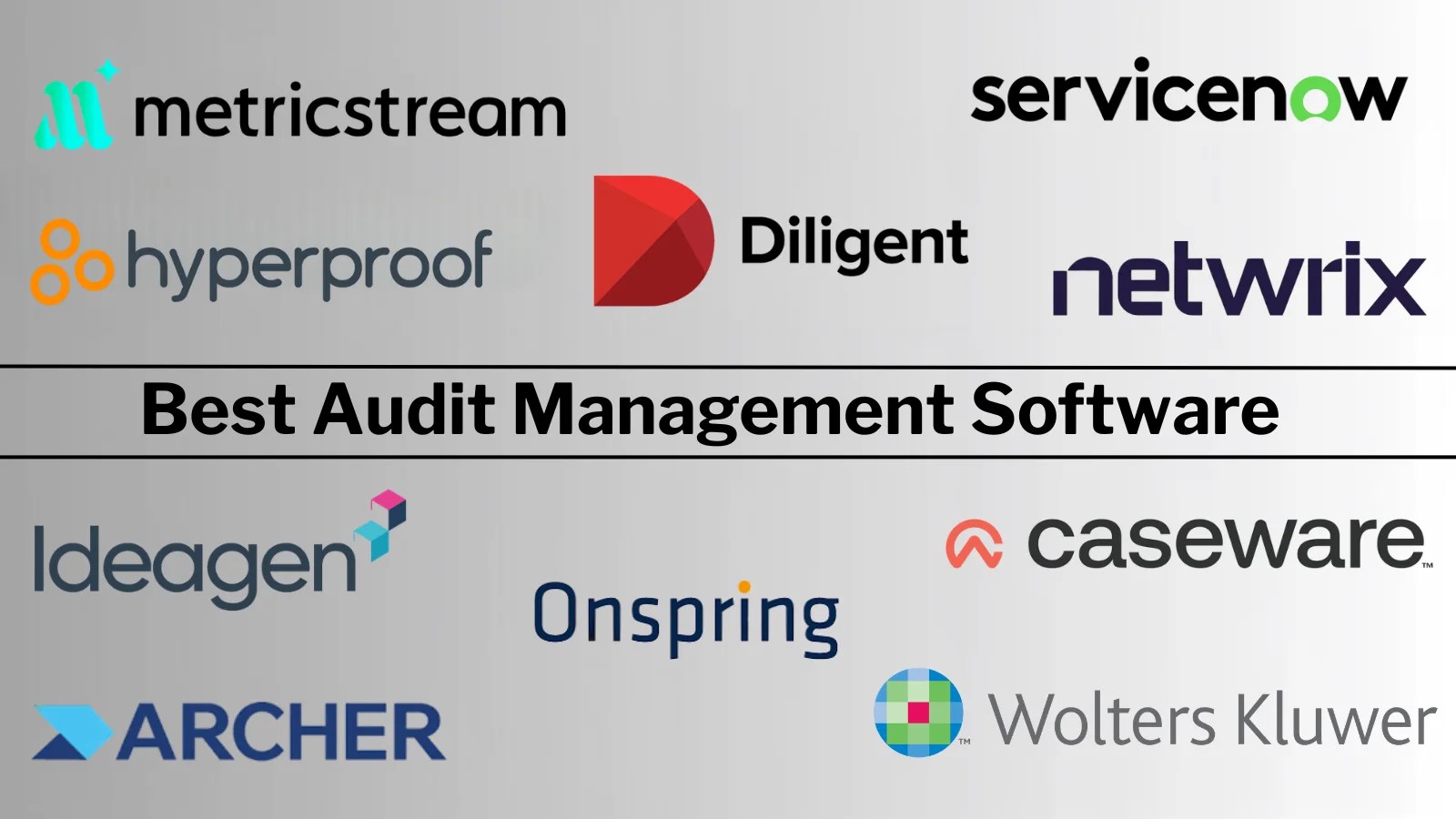
In the evolving landscape of audit management software, 2026 sees a refinement of tools designed to streamline and enhance the auditing process. The rankings highlight platforms excelling in usability, automation, and integration within organizational processes. The top position is held by AuditBoard, setting a benchmark in adoption, followed by ServiceNow and Workiva, which complete the top three.
Key Players in Audit Management
AuditBoard emerges as the leader in this space, offering a comprehensive platform that the auditing profession measures against. ServiceNow follows closely, noted for its efficient workflow-routed findings, while Workiva excels with its robust reporting capabilities. These leaders distinguish themselves through their ability to integrate seamlessly into existing workflows while enhancing the auditing process with automation and efficiency.
The rankings also highlight a class division between audit-specific specialists like AuditBoard and TeamMate, and GRC-suite modules such as ServiceNow and Archer. Reporting-grade platforms like Workiva and Diligent also play a crucial role, with daily ownership determining the most suitable choice for organizations.
Innovations and Methodologies
2026 introduces significant advancements in AI-driven narrative generation and summarization within audit software, although reviewer sign-off remains a critical checkpoint. This year’s evaluation criteria included factors like fieldwork ergonomics, evidence automation, SOX depth, committee-grade reporting, and pricing transparency. Fieldwork ergonomics and evidence automation were notably weighted, reflecting their growing importance in the audit process.
The scoring methodology, based on research rather than paid placements, emphasizes the platforms’ ability to deliver value through efficient audit practices. This approach ensures a balanced evaluation of each tool’s capabilities and limitations.
Platform Highlights and Considerations
Onspring is lauded for its no-code configurability, allowing audit teams to tailor workflows independently of developer intervention. ServiceNow stands out with its findings workflow, tying audit results directly to business processes. Caseware offers robust integration between audit activities and financial reporting, enhancing workflow connectivity.
Wolters Kluwer’s TeamMate maintains its strength through established methodology and global reach, while Diligent focuses on board-level integration, making it indispensable for corporates. MetricStream, Hyperproof, and others provide niche solutions, catering to specific enterprise needs and regulatory environments.
As organizations evaluate these tools, factors such as ease of integration, automation capabilities, and the ability to adapt to organizational changes become key determinants in selecting the right platform. Piloting these platforms with real engagement scenarios can reveal their practical boundaries, particularly in terms of reverting to traditional tools like spreadsheets.
Looking ahead, the audit management software landscape will likely continue to evolve, integrating more advanced AI capabilities and expanding automation to meet the growing complexity and regulatory demands within organizations. This progression underscores the necessity for platforms that not only meet current needs but also anticipate future challenges.