Recent analyses have unveiled a sophisticated evolution in ClickFix attacks, where cybercriminals are embedding executable malware within PNG images to compromise Windows domain controllers. These advanced tactics highlight the increasing complexity of threats facing corporate networks today.
Embedded Malware in PNG Files
Investigations reveal that attackers are using PNG images to conceal malicious payloads. This method involves placing executable content within image pixels, which is then extracted and executed on the victim’s machine. This technique significantly complicates detection and removal efforts.
Unlike previous methods that hid shellcode, the current strategy reconstructs complete executables from these images. This evolution maintains persistent access using scheduled tasks and registry keys, underscoring the need for robust endpoint protection.
Fake Verification Prompts as Attack Vectors
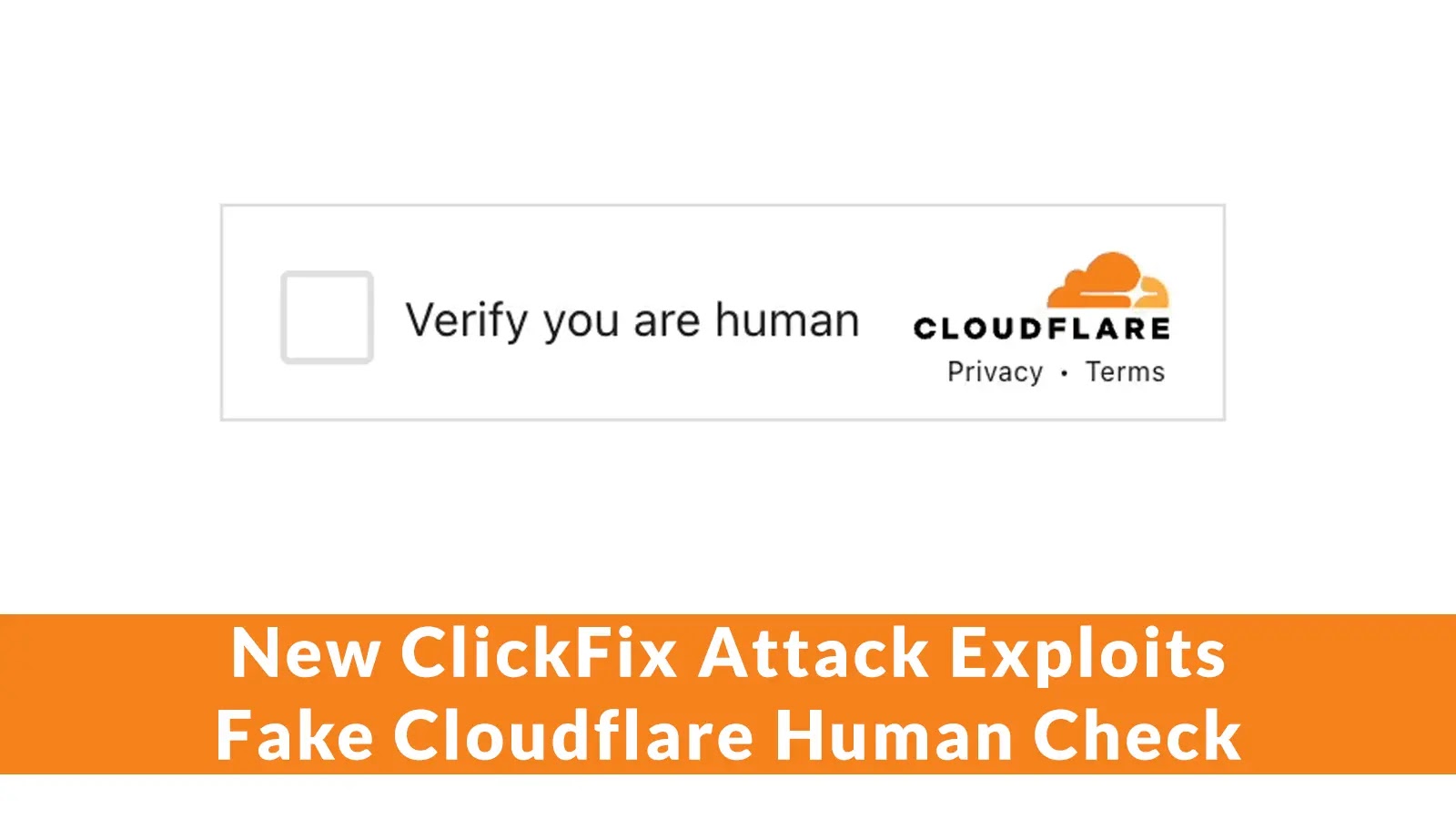
ClickFix attacks often begin with deceptive verification prompts designed to trick users into executing malicious commands. These prompts mimic legitimate security checks, complete with animated progress indicators, to lower user defenses and facilitate malware installation.
Research from Huntress has documented these deceptive tactics, emphasizing that multiple unrelated operators are adopting ClickFix due to its efficacy. These findings stress the importance of user education in recognizing suspicious activities.
Complex Attack Chains and Lateral Movement
In a noted incident, attackers employed DLL sideloading and Windows administration tools to infiltrate domain controllers. This attack chain allowed unauthorized access to domain trusts and administrator accounts, further enabling lateral movement within the network.
Additional investigations reported the use of compromised websites to deliver malware via browser cache manipulation. Attackers craft commands specific to popular browsers like Chrome and Firefox, exploiting cached files to run malicious scripts.
Recommendations for Defense
The Huntress report advises network administrators to educate users against executing commands from unverified sources. It also recommends monitoring for unusual PowerShell activity and unexpected persistence entries, as these can be indicators of ongoing attacks.
To mitigate risks, organizations should enforce strict execution policies and continuously update their threat detection systems. Integrating comprehensive threat intelligence can enhance the ability to swiftly respond to emerging threats, thereby protecting critical network infrastructure.