Artificial intelligence is rapidly altering the cybersecurity landscape, presenting both opportunities and challenges. While enterprises leverage AI to boost efficiency, cybercriminals exploit it to automate attacks and enhance phishing campaigns. This evolution allows malicious actors to execute attacks more swiftly and with fewer resources.
The Growing Cyber Threat Landscape
Security Operation Centers (SOCs) and Managed Security Service Providers (MSSPs) are witnessing increased suspicious activities, necessitating thorough investigations and validation of numerous indicators. This is particularly urgent for organizations in the United States and Europe, which are frequent targets of cyberattacks.
As cybercriminals become more agile, security teams face the challenge of effectively investigating threats with limited time. A recent FBI report highlighted that internet crime losses in the US reached $20 billion in 2025, marking a 26% increase from the previous year. In Europe, ransomware poses significant threats, particularly to public administration sectors.
Overcoming Investigation Bottlenecks
For SOC analysts, a suspicious indicator often marks the beginning of a complex investigation. Alerts regarding unfamiliar IPs, unexpected email attachments, or flagged URLs raise critical questions about their potential threat level and connections to known malicious activities.
To address these challenges, tools like ANY.RUN’s Threat Intelligence Lookup provide analysts with rapid access to intelligence on suspicious indicators, helping to streamline investigations. This capability allows them to quickly assess the reputation of IP addresses, domains, and other indicators, facilitating more informed decision-making.
Enhancing Threat Understanding
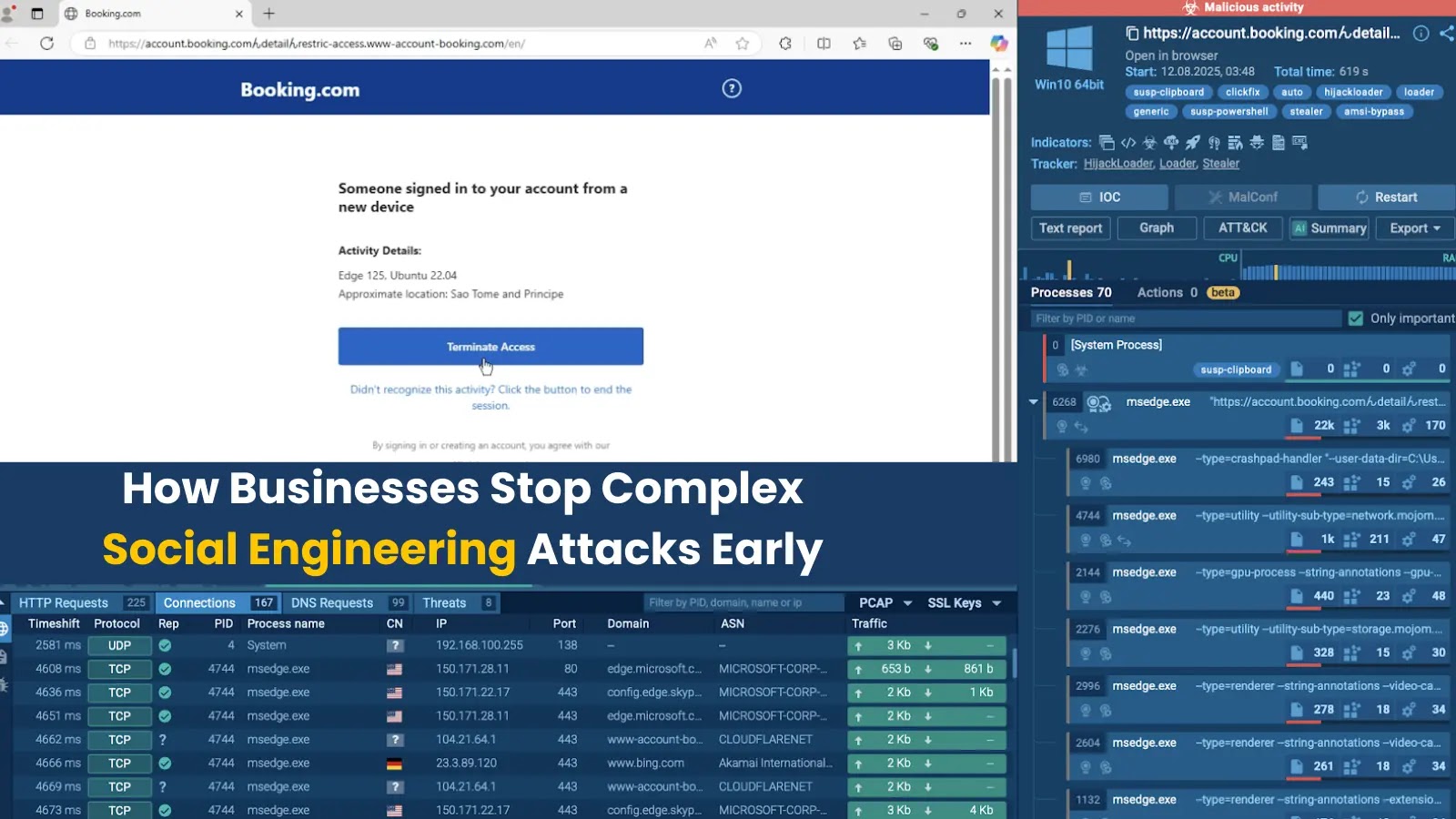
Beyond identifying suspicious indicators, understanding the behavior of threats is crucial. Static indicators offer an initial assessment but fail to reveal the actions of a malicious file or URL. Analyzing these elements within an interactive sandbox environment, such as ANY.RUN’s, helps uncover their behaviors and potential impact.
Integrating sandbox analysis with threat intelligence offers a comprehensive view of the threat landscape. Analysts can explore related threat activities and contextualize individual threats within larger campaigns. This enriched understanding supports deeper investigations and more strategic responses.
Staying Ahead with Continuous Intelligence
The dynamic nature of cyber threats necessitates continuous threat intelligence updates. Threat actors constantly adapt, necessitating up-to-date information on malicious infrastructure and emerging threats. For SOCs and MSSPs, integrating threat intelligence feeds into their operations ensures they remain informed and responsive.
ANY.RUN’s internal analysis indicates that a notable percentage of malicious indicators are identified in its interactive sandbox sessions, emphasizing the value of live threat intelligence feeds in recognizing and prioritizing threats.
Ultimately, AI continues to accelerate the pace of cyberattacks. For security teams in the US and Europe, maintaining robust threat visibility involves not just detection but also a deep understanding of threats. By utilizing behavior analysis and updated threat intelligence, SOCs can effectively investigate and respond to the ever-evolving cyber threat landscape.