In the ever-evolving landscape of cybersecurity, understanding and managing your organization’s attack surface is crucial. The year 2026 brings a range of advanced Attack Surface Management (ASM) tools designed to provide comprehensive insights into potential vulnerabilities. These tools are essential for organizations aiming to secure their digital assets from external threats.
Pioneering Tools for Effective Attack Surface Management
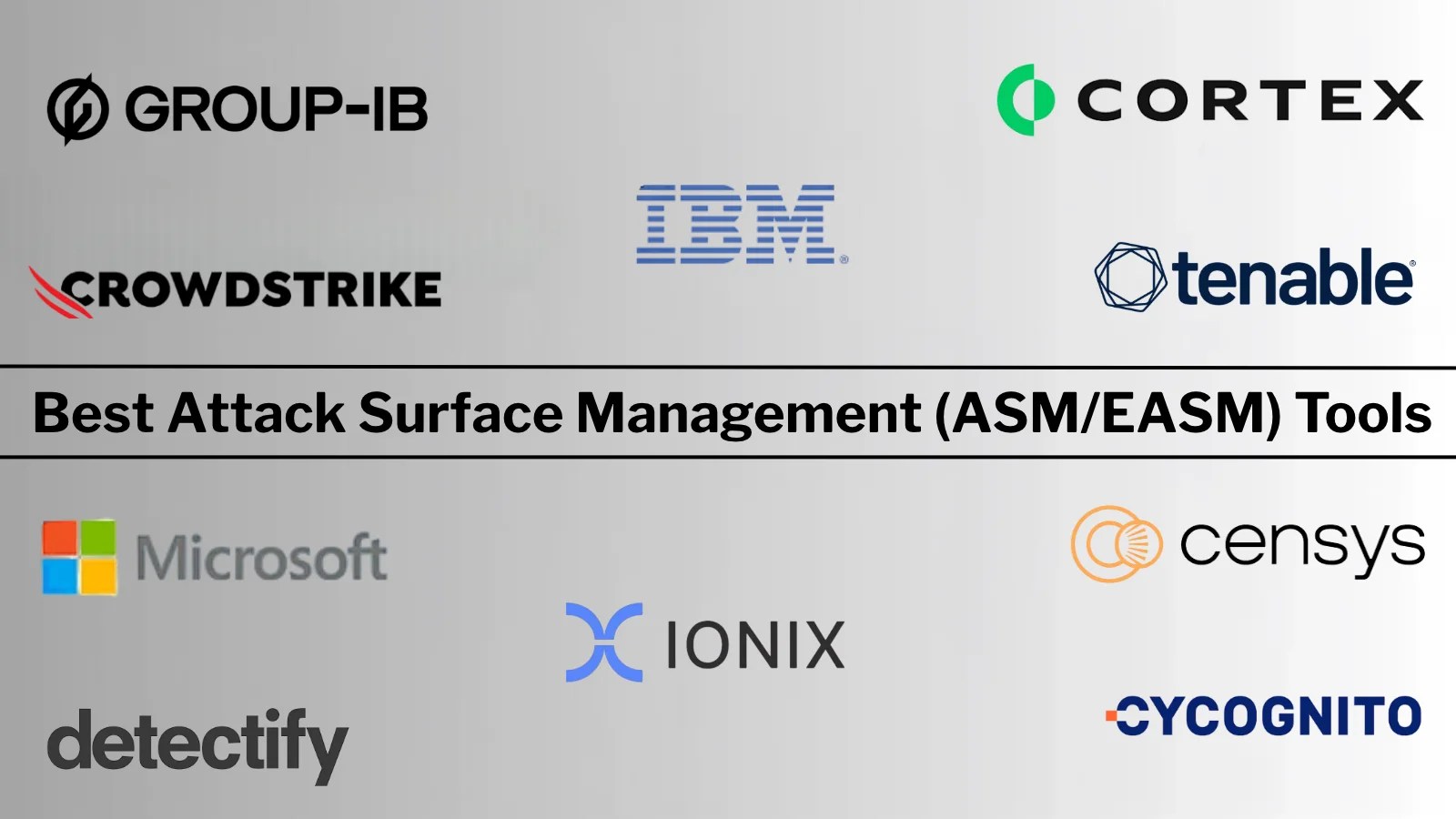
Leading the charge is Palo Alto’s Cortex Xpanse, renowned for its internet-scale discovery capabilities and depth in attribution. This tool excels at mimicking adversarial reconnaissance, offering organizations a detailed view of their digital exposure. Microsoft’s Defender EASM and CyCognito follow closely, providing estate-bundled mapping and attacker-logic discovery, respectively.
Microsoft Defender EASM is particularly effective for organizations already using Microsoft’s ecosystem, seamlessly integrating external and internal asset management. Meanwhile, CyCognito stands out for its ability to reconstruct attacker strategies and actively test discovered assets, ensuring risk-ranked outputs.
Insights into the 2026 ASM Rankings
As the digital landscape grows, the speed and accuracy of asset discovery become crucial differentiators. Censys, recognized for its internet-scan data authority, offers unparalleled research-grade depth and freshness. CrowdStrike’s Falcon Surface integrates ASM within its existing console, unifying external and internal insights for streamlined security operations.
Tenable and IONIX also feature prominently. Tenable’s integration of external discoveries into its exposure platform ensures unified prioritization, while IONIX is praised for its active exploitability validation and digital supply-chain mapping.
Strategic Considerations for Adopting ASM Tools
When selecting an ASM tool, organizations should consider several factors, including attribution accuracy, discovery depth, and refresh velocity. Palo Alto’s Xpanse is noted for its comprehensive internet-wide discovery, while Microsoft Defender EASM offers robust estate mapping. CyCognito provides active testing capabilities, essential for verifying the exploitability of discovered assets.
Other notable tools include IBM’s Randori, which offers a unique adversarial-recon lineage, and Group-IB, known for its fraud and APAC surface focus. Detectify, with its crowdsourced payload testing, rounds out the list of top contenders for 2026.
Ultimately, the choice of ASM tool should align with organizational needs, focusing on balancing discovery capabilities, integration ease, and cost-effectiveness. As the digital threat landscape continues to evolve, these tools play a critical role in safeguarding organizational assets.