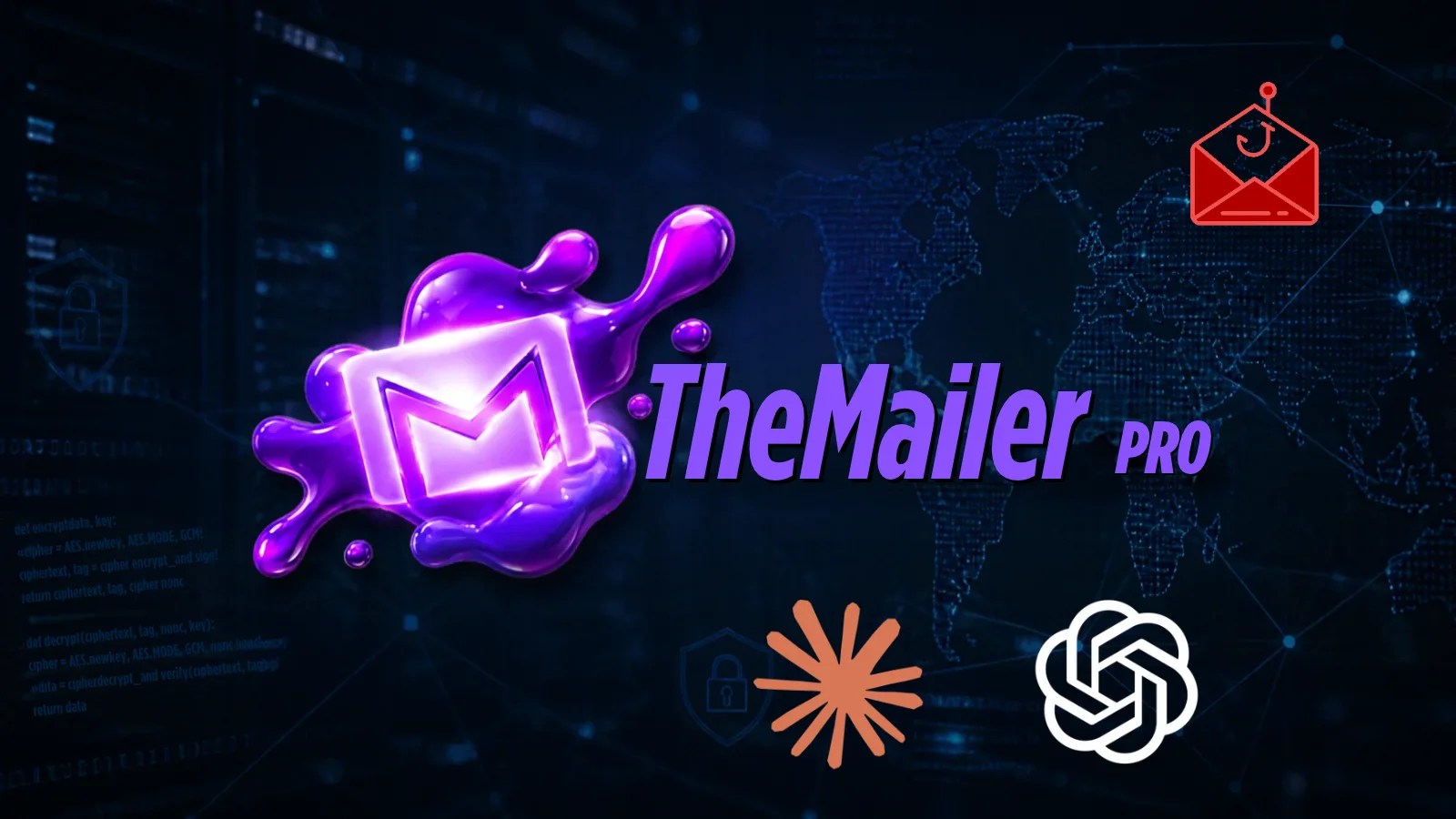
Cybersecurity experts have raised alarms about TheMailer, a self-hosted platform that integrates artificial intelligence into phishing attacks. Identified by Varonis Threat Labs, this tool leverages AI to refine every aspect of email-based threats, from crafting lures to managing campaign responses.
Advanced Features of TheMailer
TheMailer employs commercial AI models such as Claude and ChatGPT to enhance phishing operations. It goes beyond merely correcting grammar or generating messages; it builds and refines phishing templates, tests delivery, and automates reply management. Users connect their own API keys to access services including Grok, Gemini, Mistral, and DeepSeek.
Since March 2026, TheMailer has been marketed on cybercrime forums. Despite its sales thread receiving over 24,000 views, this does not confirm the number of users or successful phishing attempts. The platform’s lifetime licenses are priced between $3,000 and $6,000, depending on the features included.
Operational Dynamics and Target Management
Purchasers of TheMailer receive installation support but must supply their own mail servers, proxies, and target lists. Transactions are facilitated through a Telegram sales channel and a cryptocurrency payment bot. This setup simplifies the initiation of phishing campaigns by combining email delivery tools and AI capabilities in a user-friendly interface.
TheMailer enhances traditional phishing models, like SpamGPT, by linking AI-generated content to feedback on email delivery. This dynamic process enables continuous content improvement, rather than a one-time setup. A notable feature, Inbox Loop, checks if test emails reach the inbox or spam, prompting AI-driven template revisions if necessary.
Implications for Cybersecurity
The platform’s AI Letter Builder allows attackers to create HTML emails from prompts or import real messages as templates, aiding in mimicking brand styles. It offers features like automated group management by mailbox provider, targeting services such as Gmail and Microsoft. Despite these capabilities, evidence of compromised targets remains unsubstantiated.
Additional functionalities include account warm-up, delivery testing, and automated reply management. TheMailer converts HTML templates into customized PDFs, embedding links and altering metadata to evade detection, and further complicates security measures with randomized headers and redirect domains.
As cybersecurity defenses evolve, the focus should be on assessing sender intent and behavior rather than solely relying on writing style. Vigilance against unexpected requests for sensitive information remains critical. Organizations are encouraged to verify such requests through established channels to mitigate phishing risks.