Skip to content
  • Home
  • Cyber Map
  • About Us – Contact
  • Disclaimer
  • Terms and Rules
  • Privacy Policy
Cyber Web Spider Blog – News

Cyber Web Spider Blog – News

Globe Threat Map provides a real-time, interactive 3D visualization of global cyber threats. Monitor DDoS attacks, malware, and hacking attempts with geo-located arcs on a rotating globe. Stay informed with live logs and archive stats.

  • Home
  • Cyber Map
  • Cyber Security News
  • Security Week News
  • The Hacker News
  • How To?
  • Toggle search form
Android Malware Targets Car Screens Through Updates

Android Malware Targets Car Screens Through Updates

Posted on August 24, 2026 By CWS

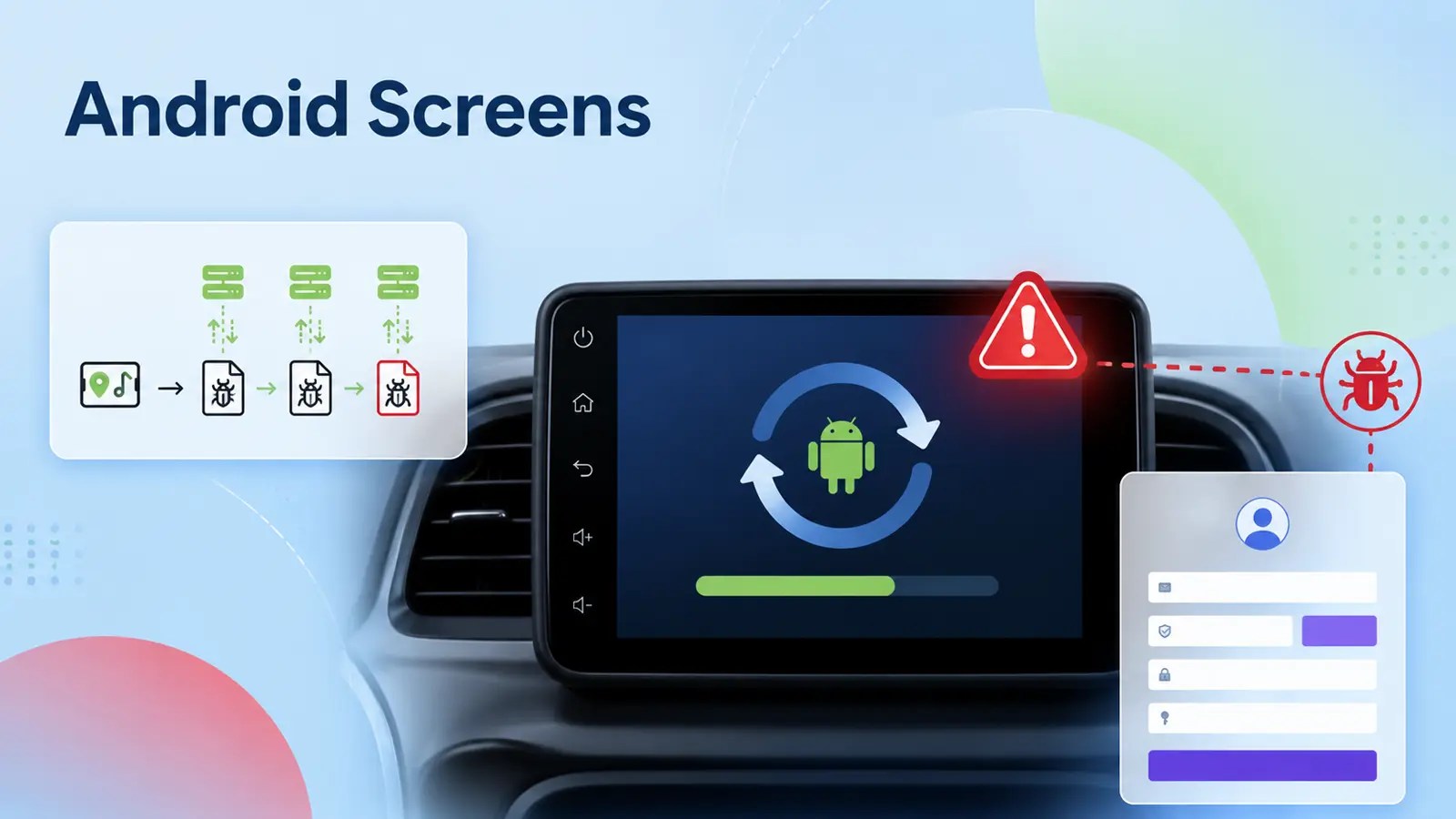
A recent discovery has revealed a new Android malware campaign targeting car infotainment systems. Instead of using deceptive apps, hackers exploit the built-in software update mechanism of Android-based head units to deploy their malicious software.

Exploiting Android Updates

The malware serves as a multi-stage downloader designed for ad fraud and proxy botnet activities. It leverages the connectivity of vehicle screens, which manage functions like music and navigation, by infiltrating the usual internet-based software update process. This turns a trusted feature into an entry point for extensive criminal operations. The security firm Securelist identified the malware in June 2026, linking it to the MoYu Group, associated with BADBOX.

Securelist’s report, shared with Cyber Security News, highlights how the malware exploits firmware design to spread. Despite vendor claims of addressing these vulnerabilities, this threat broadens concerns to include connected vehicle screens, beyond just phones and TVs.

Mechanisms of the Attack

The attack focuses on TWCore, a legitimate system app responsible for analytics and software updates. The attackers use an MQTT broker on cardoor[.]cn to send APK file details for download, enabling the installation of unauthorized apps. The malware lodges itself in the update cache, installed via the com.tw.core package.

The first component, JarService, operates without a user interface, decrypting data to initiate subsequent payloads discreetly. A second-stage loader reports device information to a remote server, receiving further instructions. The third stage collects device specifics, such as model and network details, updating its configuration as commanded.

Implications and Recommendations

This malware chain diverges from typical phone scams by bypassing fake texts or app store lures. Previous BADBOX infections have shown how compromised firmware can expose devices, but this new case brings the risk into vehicles, potentially compromising privacy and trust.

The final payload can display ads, perform click fraud, and fetch additional code, integrating the car screen into a hidden network. Researchers attribute this operation to MoYu Group, noting similarities with previous campaigns and linking it to a malicious TV-box app.

While the malware does not directly control critical vehicle functions like steering or braking, it poses significant privacy and connectivity risks. Owners are advised to install updates only from verified sources and inquire about security patches for their head units. Manufacturers should enforce signed updates and verify all remote instructions to maintain secure systems.

Overall, this incident underscores the necessity for vigilance in protecting connected vehicle systems from emerging threats.

Cyber Security News Tags:ad fraud, Android malware, BadBox, car infotainment, connected vehicles, Cybersecurity, MoYu Group, proxy botnet, software update, vehicle security

Post navigation

Previous Post: Enhancing Application Security in the AI Age
Next Post: AI Threats and Security Vulnerabilities Highlighted This Week

Related Posts

Reducing Alert Overload with Effective Threat Intelligence Reducing Alert Overload with Effective Threat Intelligence Cyber Security News
Threat Actors Merging FileFix and Cache Smuggling Attacks to Evade Security Controls Threat Actors Merging FileFix and Cache Smuggling Attacks to Evade Security Controls Cyber Security News
CrowdStrike Fires Insider for Sharing Internal System Details with Hackers CrowdStrike Fires Insider for Sharing Internal System Details with Hackers Cyber Security News
Denodo Scheduler Vulnerability Let Attackers Execute Remote Code Denodo Scheduler Vulnerability Let Attackers Execute Remote Code Cyber Security News
Lyrie.ai Introduces AI Agent Security Protocol Lyrie.ai Introduces AI Agent Security Protocol Cyber Security News
Critical Linux Kernel Flaw Allows Root Privilege Escalation Critical Linux Kernel Flaw Allows Root Privilege Escalation Cyber Security News

Categories

  • Cyber Security News
  • How To?
  • Security Week News
  • The Hacker News

Recent Posts

  • Critical Isolated-vm Vulnerability Risks JavaScript Security
  • TikTok Settles $400 Million Privacy Case with DOJ
  • AI Threats and Security Vulnerabilities Highlighted This Week
  • Android Malware Targets Car Screens Through Updates
  • Enhancing Application Security in the AI Age

Pages

  • About Us – Contact
  • Disclaimer
  • Privacy Policy
  • Terms and Rules

Archives

  • August 2026
  • July 2026
  • June 2026
  • May 2026
  • April 2026
  • March 2026
  • February 2026
  • January 2026
  • December 2025
  • November 2025
  • October 2025
  • September 2025
  • August 2025
  • July 2025
  • June 2025
  • May 2025

Recent Posts

  • Critical Isolated-vm Vulnerability Risks JavaScript Security
  • TikTok Settles $400 Million Privacy Case with DOJ
  • AI Threats and Security Vulnerabilities Highlighted This Week
  • Android Malware Targets Car Screens Through Updates
  • Enhancing Application Security in the AI Age

Pages

  • About Us – Contact
  • Disclaimer
  • Privacy Policy
  • Terms and Rules

Categories

  • Cyber Security News
  • How To?
  • Security Week News
  • The Hacker News

Copyright © 2026 Cyber Web Spider Blog – News.

Powered by PressBook Masonry Dark