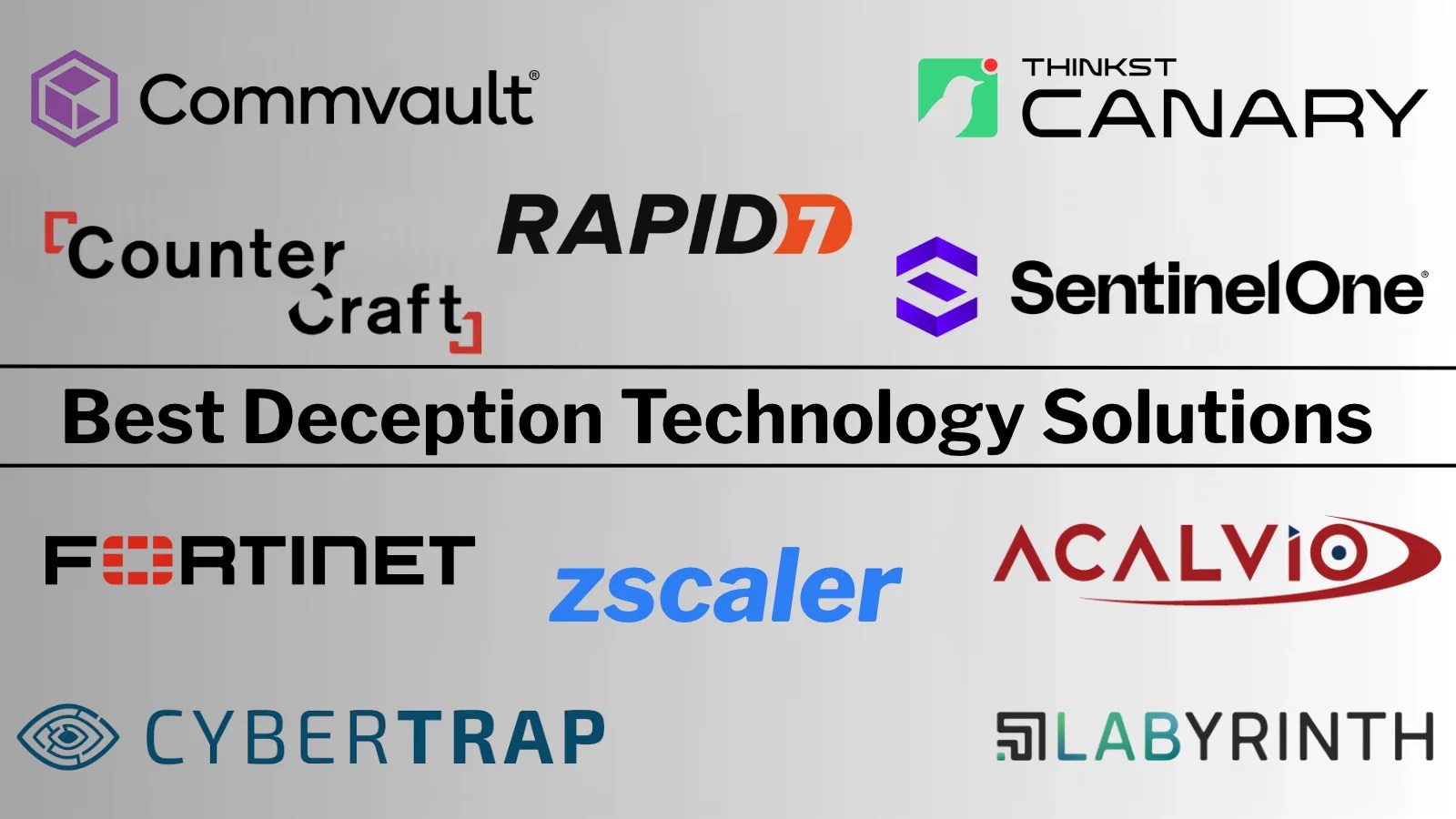
Deception technology has become a crucial component in cybersecurity, providing a robust method to detect and deter attackers. By deploying assets that only malicious actors would interact with, businesses can efficiently identify threats without the noise of false positives. This approach has gained traction in 2026, with the market splitting between simple tripwire solutions and comprehensive fake network platforms.
Key Deception Solutions in 2026
Among the top-ranked solutions, Thinkst Canary stands out for its unparalleled signal-to-effort ratio, allowing for rapid deployment and reliable alerts. SentinelOne, integrating Attivo’s identity deception capabilities, provides deep endpoint-scale deception, while Acalvio offers an enterprise-level deception fabric through its ShadowPlex platform.
Trends and Acquisitions in the Market
The 2026 landscape has seen significant acquisitions, with major players like SentinelOne acquiring Attivo, Commvault taking over TrapX, and Zscaler incorporating Smokescreen. These mergers have enhanced their portfolios, offering more comprehensive security solutions. The emphasis this year is on identity deception, focusing on fake credentials and AD entries to detect lateral movements that traditional EDR systems might miss.
Methodology and Evaluation Criteria
The evaluation of these solutions was research-based, with no lab testing or paid placements influencing the results. The criteria included signal fidelity, deployment economics, decoy realism, and integration capabilities. The scores reflect the effectiveness of each solution in providing high-fidelity alerts and seamless integration with existing security stacks.
Thinkst Canary emerged as the leader for its simplicity and transparency, while SentinelOne (Attivo) excelled in identity deception. Acalvio’s autonomous deception management makes it the go-to for large-scale enterprise needs. Other notable entries include Zscaler’s zero-trust-integrated deception and CounterCraft’s focus on threat intelligence.
The Future of Deception Technology
As the cybersecurity landscape evolves, deception technology is set to play an increasingly vital role. Organizations are encouraged to start with low-cost solutions like Canary tokens and gradually scale their deception efforts based on specific threats and needs. This staged approach ensures that resources are allocated efficiently, providing maximum protection against potential threats.
Looking ahead, companies must regularly evaluate their deception strategies, ensuring their decoys remain convincing and effective. By doing so, they can maintain robust defenses against ever-evolving cyber threats.