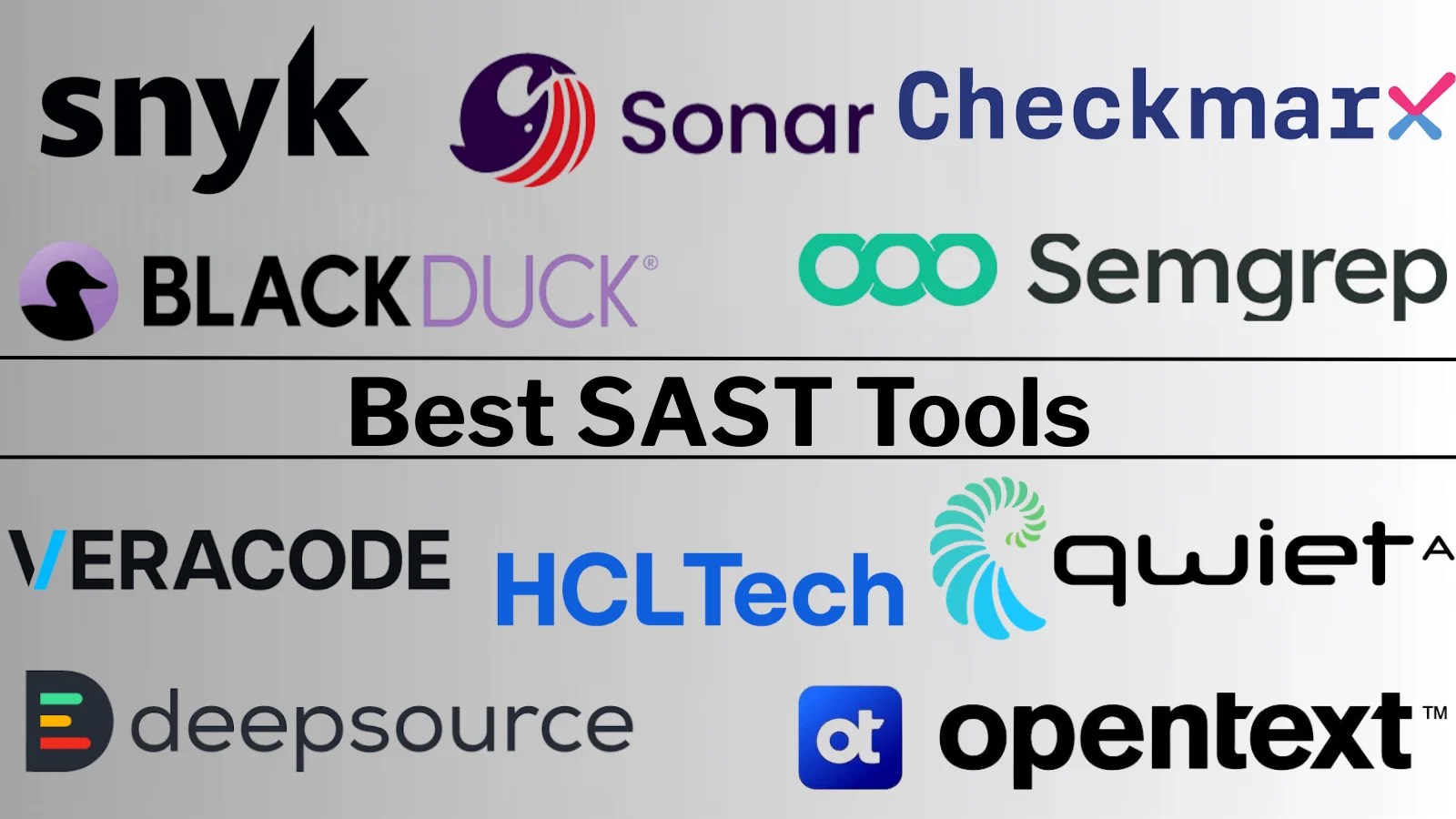
In a rapidly evolving software development landscape, Static Application Security Testing (SAST) tools have become essential for maintaining code integrity and security. As the volume of AI-generated code increases, developers need reliable tools that not only identify vulnerabilities but also provide actionable solutions. This guide explores the top SAST tools of 2026, highlighting their strengths and unique features.
Snyk Code Leads in Developer Efficiency
Ranked as the best developer-first SAST tool, Snyk Code sets itself apart with its real-time vulnerability detection and ease of use. It allows developers to find and fix issues directly within their Integrated Development Environment (IDE) and provides seamless integration into their workflows. The tool’s ability to audit third-party dependencies and OAuth tokens further enhances its appeal, making it a top choice for reducing technical debt.
Snyk Code’s standout features include its rapid analysis speed, comprehensive fix suggestions, and extensive platform compatibility. While it excels in user experience, its governance capabilities lag behind some enterprise-focused counterparts.
AI-Driven Insights with Qwiet AI
Qwiet AI distinguishes itself with its innovative use of artificial intelligence and Code Property Graph technology. This combination allows the tool to accurately identify and prioritize vulnerabilities, enabling developers to address issues earlier in the Software Development Life Cycle (SDLC). Despite its robust analytical capabilities, Qwiet AI’s enterprise pricing and limited ecosystem may pose challenges for some organizations.
Nevertheless, its focus on deep code analysis and AI-powered workflows offers a modern approach to static analysis, making it a valuable asset for teams seeking cutting-edge solutions.
Enterprise Solutions and Beyond
For larger enterprises, Checkmarx and Veracode remain leading choices, offering comprehensive solutions that integrate deeply into organizational security programs. Checkmarx provides customizable queries and broad platform support, while Veracode emphasizes policy governance and compliance. Both tools are designed to handle complex security requirements across diverse application landscapes.
Additionally, tools like Black Duck (Coverity) and OpenText Fortify cater to specific needs, such as legacy system support and heterogeneous deployment environments. These options provide the flexibility and depth needed to address various security challenges.
The 2026 landscape for SAST tools highlights the importance of balancing developer efficiency with robust security measures. As the demand for automated and intelligent security solutions grows, tools that offer seamless integration and actionable insights will continue to lead the market. Organizations should focus on optimizing their fix-rate potential while maintaining governance standards to effectively manage their software security strategies.