Skip to content
  • Home
  • Cyber Map
  • About Us – Contact
  • Disclaimer
  • Terms and Rules
  • Privacy Policy
Cyber Web Spider Blog – News

Cyber Web Spider Blog – News

Globe Threat Map provides a real-time, interactive 3D visualization of global cyber threats. Monitor DDoS attacks, malware, and hacking attempts with geo-located arcs on a rotating globe. Stay informed with live logs and archive stats.

  • Home
  • Cyber Map
  • Cyber Security News
  • Security Week News
  • The Hacker News
  • How To?
  • Toggle search form
Phishing Alert: Fake Party Invites Install Remote Access Software

Phishing Alert: Fake Party Invites Install Remote Access Software

Posted on February 3, 2026 By CWS

Key Points

  • Phishing campaign uses fake party invites to deploy remote access software.
  • Targets Windows users by installing ScreenConnect tool.
  • Emails appear to be from trusted contacts, increasing click rates.

Phishing Campaign Uses Social Engineering

A recent phishing campaign has been identified that deceives users with fake party invitations, which secretly install remote access tools on Windows systems. The attack leverages social engineering tactics to deploy ScreenConnect, a legitimate remote support application, enabling cybercriminals to take full control of affected computers.

While the invitations appear to be innocent messages from friends, they are actually a digital trap that grants attackers complete access to sensitive files and personal data.

How the Attack is Executed

The campaign initiates with emails crafted to resemble friendly party invitations from known contacts. Often, these emails originate from compromised accounts, lending them an air of authenticity. This familiarity, combined with a casual tone, lowers the recipient’s guard, prompting them to click the link without suspicion.

Upon clicking, users are directed to a webpage designed to look like a legitimate event invite, featuring a bold “You’re Invited!” headline. The site encourages viewing on a Windows device and uses urgency-inducing tactics like a countdown timer to push users towards downloading a file named RSVPPartyInvitationCard.msi.

Installation of Remote Access Software

Once downloaded, the MSI file does not contain a party invitation but instead executes Windows Installer to covertly install the ScreenConnect Client. This process is stealthy, lacking any overt notifications, so users remain unaware of the installation.

The client software is placed in the C:Program Files (x86)ScreenConnect Client directory and establishes itself as a persistent Windows service with a randomly generated name. This setup allows the tool to initiate encrypted connections to its relay servers, granting remote control over the victim’s system.

Implications and Signs of Compromise

With ScreenConnect installed, attackers can perform actions similar to a remote IT technician, such as viewing the victim’s screen, controlling inputs, and transferring files. Due to the legitimacy of the software, standard security solutions might not detect it as a threat.

Victims may first notice odd behaviors, such as unexpected cursor movements, unexplained window activity, or unknown processes running on their machines, indicating a potential breach.

Conclusion

This phishing tactic underscores the importance of vigilance and skepticism when opening emails, even from familiar sources. Users are advised to verify the authenticity of unexpected invitations and maintain updated security measures to protect against such sophisticated threats.

Cyber Security News Tags:Cybersecurity, data breach, Malware, Phishing, remote access, ScreenConnect, Security, social engineering, UK, Windows

Post navigation

Previous Post: Kasada Secures $20M to Boost Global Anti-Bot Efforts
Next Post: React Native Vulnerability Actively Exploited in Attacks

Related Posts

Critical Flaw in AVideo Platform Enables Stream Takeover Critical Flaw in AVideo Platform Enables Stream Takeover Cyber Security News
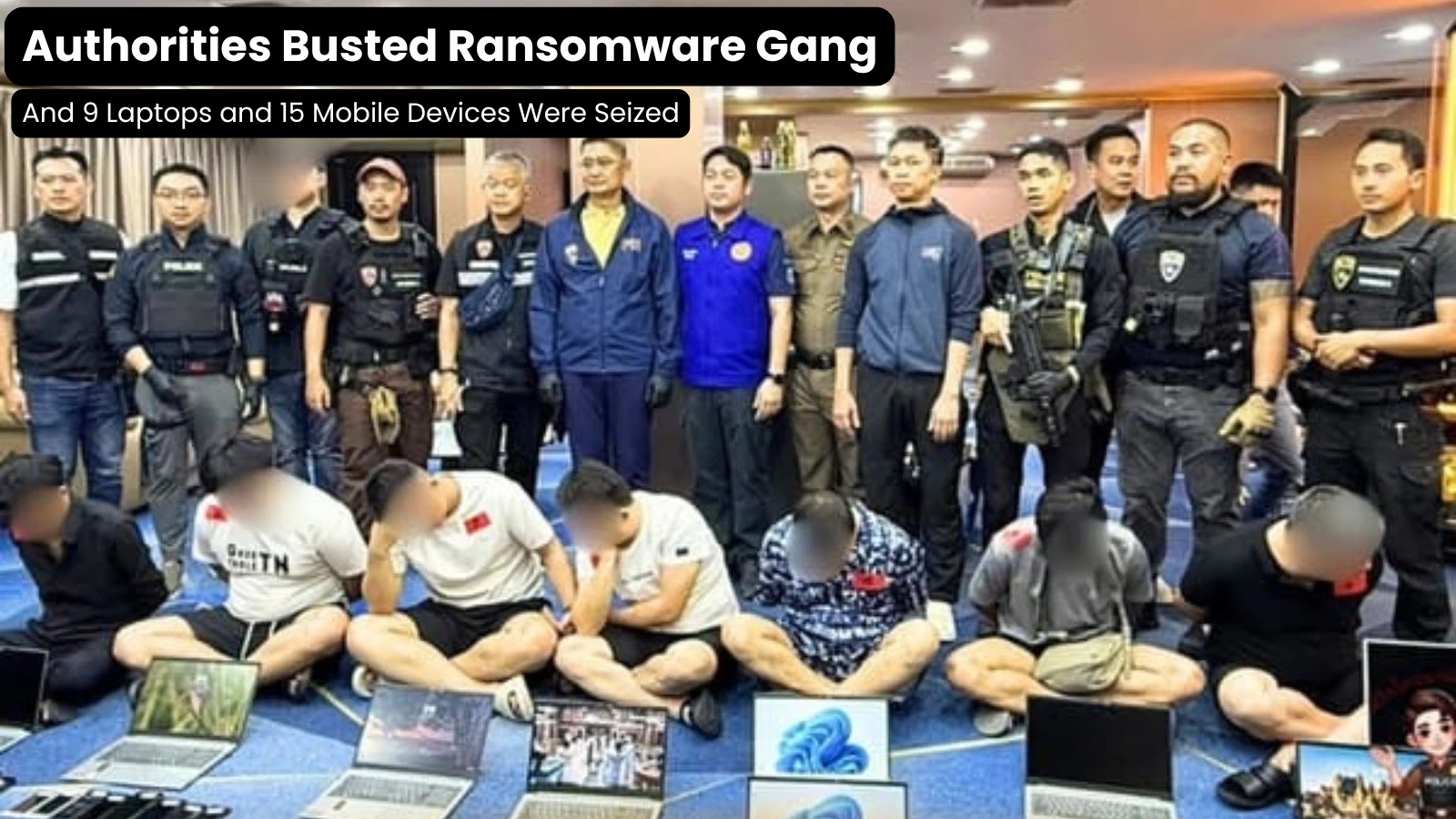
Authorities Busted Ransomware Gang – Nine Laptops and 15 Mobile Devices Were Seized Authorities Busted Ransomware Gang – Nine Laptops and 15 Mobile Devices Were Seized Cyber Security News
New HybridPetya Weaponizing UEFI Vulnerability to Bypass Secure Boot on Outdated Systems New HybridPetya Weaponizing UEFI Vulnerability to Bypass Secure Boot on Outdated Systems Cyber Security News
Critical Zimbra SSRF Vulnerability Let Attackers Access Sensitive Data Critical Zimbra SSRF Vulnerability Let Attackers Access Sensitive Data Cyber Security News
Hackers Leverage Judicial Notifications to Deploy Info-Stealer Malware Hackers Leverage Judicial Notifications to Deploy Info-Stealer Malware Cyber Security News
Kali GPT- AI Assistant That Transforms Penetration Testing on Kali Linux Kali GPT- AI Assistant That Transforms Penetration Testing on Kali Linux Cyber Security News

Categories

  • Cyber Security News
  • How To?
  • Security Week News
  • The Hacker News

Recent Posts

  • Critical F5 BIG-IP Vulnerability Now Actively Exploited
  • China-Linked Cyber Threats Target Southeast Asian Government
  • AI-Powered VoidLink Malware Framework Poses New Cyber Threat
  • Top Log Monitoring Tools to Watch in 2026
  • Top Spam Filter Tools for 2026: A Comprehensive Guide

Pages

  • About Us – Contact
  • Disclaimer
  • Privacy Policy
  • Terms and Rules

Archives

  • March 2026
  • February 2026
  • January 2026
  • December 2025
  • November 2025
  • October 2025
  • September 2025
  • August 2025
  • July 2025
  • June 2025
  • May 2025

Recent Posts

  • Critical F5 BIG-IP Vulnerability Now Actively Exploited
  • China-Linked Cyber Threats Target Southeast Asian Government
  • AI-Powered VoidLink Malware Framework Poses New Cyber Threat
  • Top Log Monitoring Tools to Watch in 2026
  • Top Spam Filter Tools for 2026: A Comprehensive Guide

Pages

  • About Us – Contact
  • Disclaimer
  • Privacy Policy
  • Terms and Rules

Categories

  • Cyber Security News
  • How To?
  • Security Week News
  • The Hacker News

Copyright © 2026 Cyber Web Spider Blog – News.

Powered by PressBook Masonry Dark