Skip to content
  • Home
  • Cyber Map
  • About Us – Contact
  • Disclaimer
  • Terms and Rules
  • Privacy Policy
Cyber Web Spider Blog – News

Cyber Web Spider Blog – News

Globe Threat Map provides a real-time, interactive 3D visualization of global cyber threats. Monitor DDoS attacks, malware, and hacking attempts with geo-located arcs on a rotating globe. Stay informed with live logs and archive stats.

  • Home
  • Cyber Map
  • Cyber Security News
  • Security Week News
  • The Hacker News
  • How To?
  • Toggle search form
GhostLock Exploits File-Sharing to Mimic Ransomware

GhostLock Exploits File-Sharing to Mimic Ransomware

Posted on May 11, 2026 By CWS

GhostLock: A New Threat in File-Sharing

GhostLock, a novel cybersecurity threat, has emerged, exploiting Windows file-sharing mechanisms to wreak havoc on corporate networks. Unlike traditional ransomware, which encrypts files to demand ransom, GhostLock disrupts access without encryption, leading to similar operational chaos. This innovative approach was uncovered by Kim Dvash, a leading figure in offensive security.

How GhostLock Operates

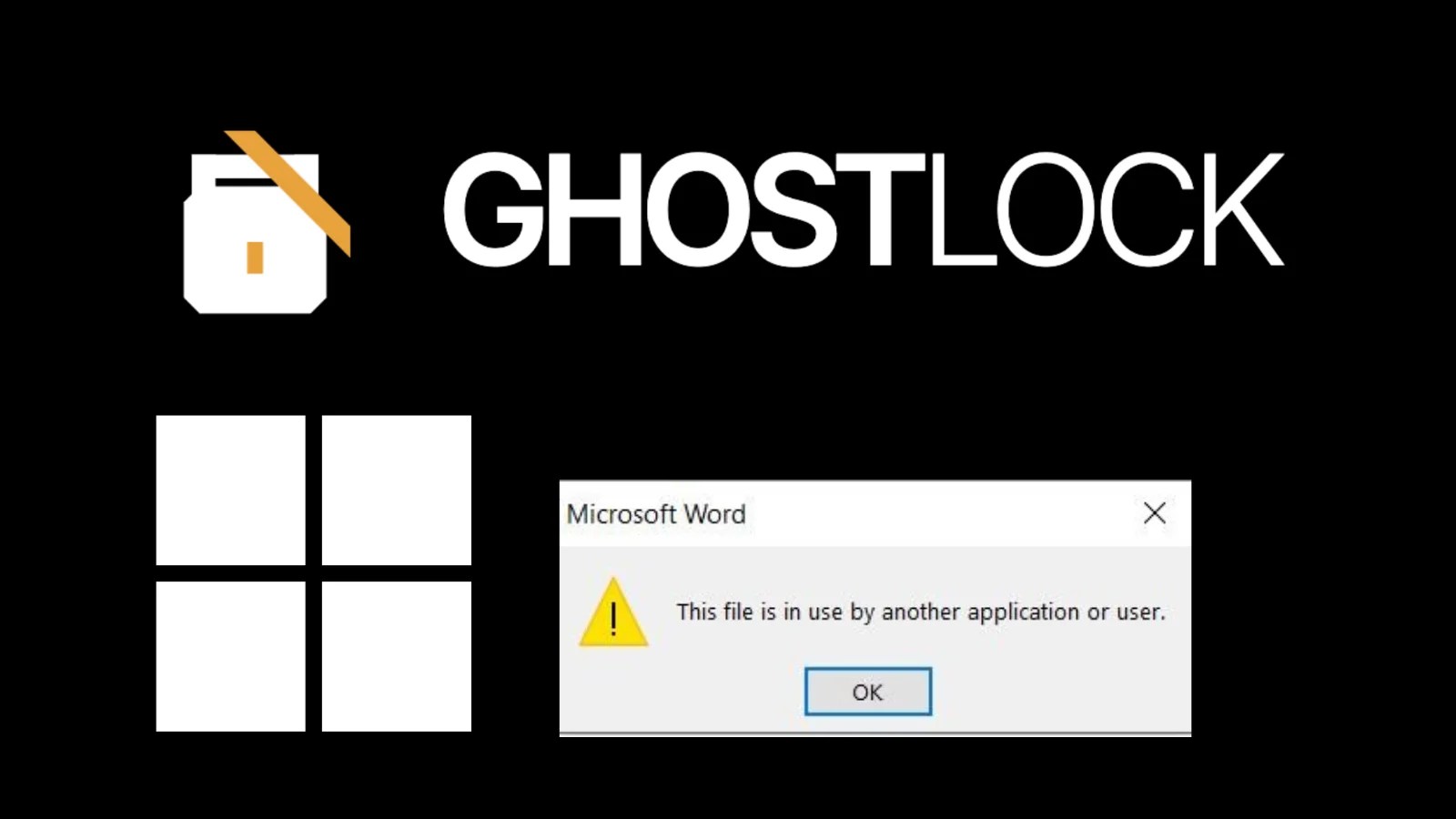
GhostLock capitalizes on the standard behavior of Windows file-sharing to lock files, rendering them inaccessible to users. The attack, which requires only standard domain user privileges, effectively immobilizes Server Message Block (SMB) file shares. From an organizational perspective, the disruption mirrors that of a ransomware attack.

The technique manipulates the CreateFileW API, setting dwShareMode to 0x00000000. This action allows an authenticated user to exclusively lock files over SMB, causing a STATUS_SHARING_VIOLATION error for any other access attempts. This vulnerability is not new, as it mimics the file-locking mechanism used by Microsoft Office since Windows NT 3.1.

Implications and Detection Challenges

The GhostLock attack is particularly concerning because it bypasses traditional ransomware defenses. Standard security measures, including honeypots, write-rate anomaly detectors, and behavioral AI engines, fail to detect the attack. The system call profile of GhostLock resembles benign activities such as Microsoft Word document operations, allowing it to evade detection.

The only reliable detection method lies within the NAS management layer, monitoring per-session exclusive handle counts. However, current enterprise Security Information and Event Management (SIEM) systems do not typically ingest this metric, complicating detection efforts.

Defense and Future Outlook

To counteract GhostLock, immediate defensive strategies include setting alerts for SMB sessions accumulating more than 500 exclusive handles and implementing detection rules for abnormal SMB CREATE requests without corresponding WRITE operations. Furthermore, coordination between security and storage operations teams is essential for effective response.

Kim Dvash urges NAS and SIEM vendors to enhance security telemetry and integration capabilities to better monitor and respond to such threats. As cybercriminals continue to evolve, understanding and preparing for indirect attack vectors like GhostLock becomes crucial for maintaining enterprise security.

The GhostLock tool and its research are publicly available on GitHub and the companion site, offering insights into its operation and potential mitigation strategies.

Cyber Security News Tags:attack strategies, cyber threats, Cybersecurity, data protection, enterprise security, file-sharing, GhostLock, IT operations, NAS, network security, Ransomware, Security, SIEM, SMB, Windows

Post navigation

Previous Post: Cloudflare’s Strategic Layoffs Amidst AI Expansion
Next Post: Enhancing Security: The Rise of Autonomous Purple Teaming

Related Posts

Cyber Attacks on IP Cameras Surge Amid Middle East Tensions Cyber Attacks on IP Cameras Surge Amid Middle East Tensions Cyber Security News
ShinyHunters Allegedly Breaches Cisco Data ShinyHunters Allegedly Breaches Cisco Data Cyber Security News
PagerDuty Confirms Data Breach After Third-Party App Vulnerability Exposes Salesforce Data PagerDuty Confirms Data Breach After Third-Party App Vulnerability Exposes Salesforce Data Cyber Security News
SEO Manipulation and Trojans Used to Steal VPN Credentials SEO Manipulation and Trojans Used to Steal VPN Credentials Cyber Security News
L7 DDoS Botnet Hijacked 5.76M Devices to Launch Massive Attacks L7 DDoS Botnet Hijacked 5.76M Devices to Launch Massive Attacks Cyber Security News
Hackers Deliver SSH-Tor Backdoor Via Weaponized Military Documents in ZIP Files Hackers Deliver SSH-Tor Backdoor Via Weaponized Military Documents in ZIP Files Cyber Security News

Categories

  • Cyber Security News
  • How To?
  • Security Week News
  • The Hacker News

Recent Posts

  • Skoda Online Shop Faces Significant Data Breach
  • Enhancing Security: The Rise of Autonomous Purple Teaming
  • GhostLock Exploits File-Sharing to Mimic Ransomware
  • Cloudflare’s Strategic Layoffs Amidst AI Expansion
  • macOS Malware Exploits Google Ads and AI Chats

Pages

  • About Us – Contact
  • Disclaimer
  • Privacy Policy
  • Terms and Rules

Archives

  • May 2026
  • April 2026
  • March 2026
  • February 2026
  • January 2026
  • December 2025
  • November 2025
  • October 2025
  • September 2025
  • August 2025
  • July 2025
  • June 2025
  • May 2025

Recent Posts

  • Skoda Online Shop Faces Significant Data Breach
  • Enhancing Security: The Rise of Autonomous Purple Teaming
  • GhostLock Exploits File-Sharing to Mimic Ransomware
  • Cloudflare’s Strategic Layoffs Amidst AI Expansion
  • macOS Malware Exploits Google Ads and AI Chats

Pages

  • About Us – Contact
  • Disclaimer
  • Privacy Policy
  • Terms and Rules

Categories

  • Cyber Security News
  • How To?
  • Security Week News
  • The Hacker News

Copyright © 2026 Cyber Web Spider Blog – News.

Powered by PressBook Masonry Dark