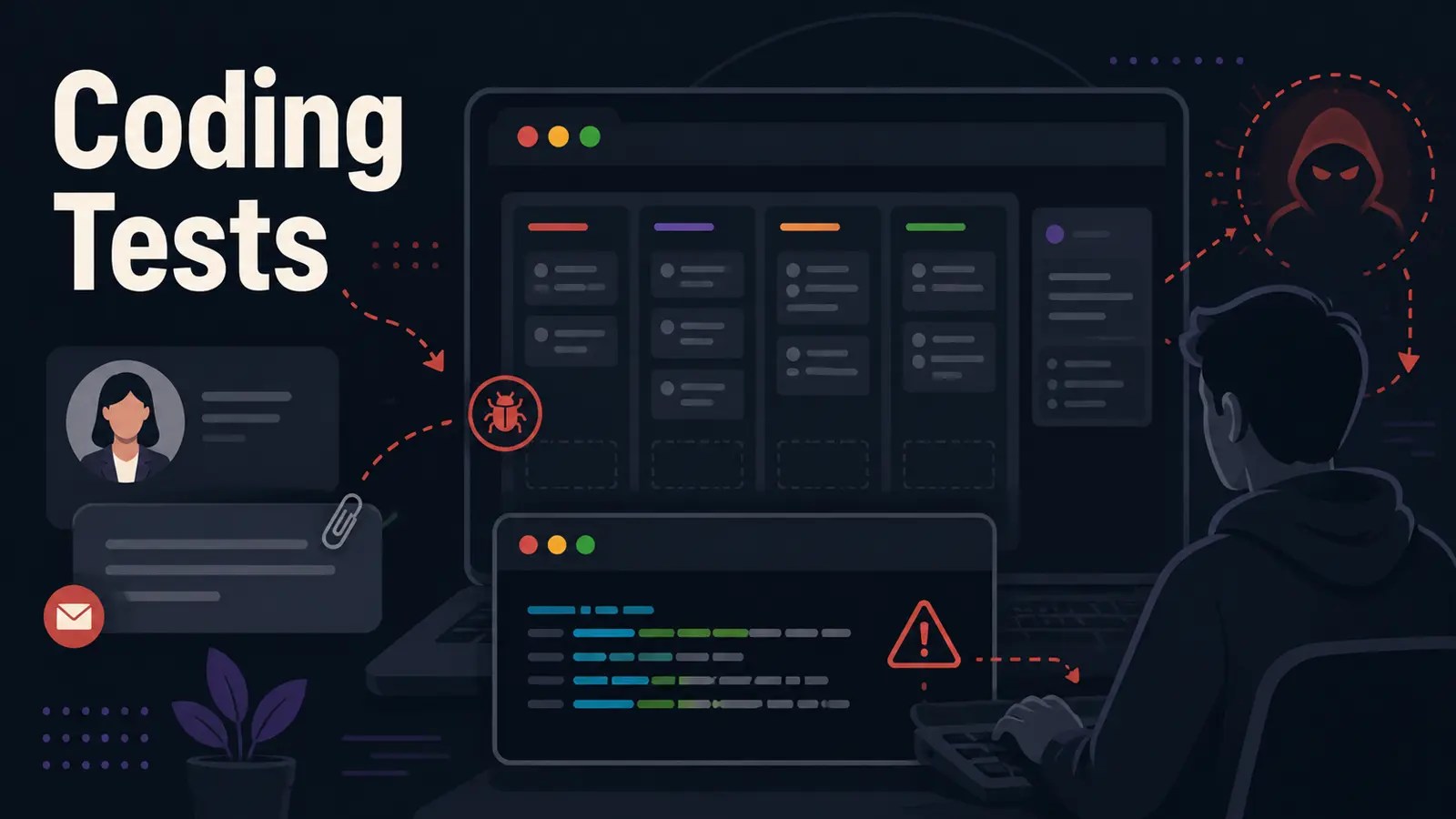
Cybercriminals are employing deceptive tactics by masquerading as recruiters to compromise software developers through job interviews. These malicious actors are distributing remote access tools disguised as legitimate coding assessments, posing a significant threat to developers across various sectors.
Exposing the Malware Campaign
The latest cyberattack involves two sophisticated remote access tools, NodeRabbit and PollCat, which are delivered via fake coding tests. These tests masquerade as genuine challenges, enticing developers to download and execute them, thereby installing malware on their systems. This campaign has notably impacted industries such as aviation, aerospace, and fintech in regions including Egypt, Ethiopia, and Afghanistan.
Researchers at Securelist have been tracking this activity and identified the NodeRabbit and PollCat malware families. This discovery is particularly concerning as it marks the first known use of Node.js and JavaScript implants by the Mirage Kitten group. The cross-platform nature of the malware, capable of operating on Windows, Linux, and macOS, highlights the evolving tactics used to target mixed operating environments within engineering teams.
How the Attack Unfolds
The attack begins with cybercriminals creating fake recruiter profiles on platforms like LinkedIn. They offer unsuspecting developers a job opportunity and send a link to what seems like a coding assessment hosted on an Amazon S3 bucket. One such lure, termed TaskFlow, is framed as a frontend bug-fixing exercise, complete with misleading instructions to divert attention from the malicious code.
The compromised project initiates by importing a malicious package, colorized_terminal version 2.1.0, which covertly launches NodeRabbit. Additional packages, such as pretty-log, are used to deploy more advanced variants, further linking the campaign to a broader effort targeting organizations in the Middle East and Africa.
Impact and Mitigation Strategies
Once installed, NodeRabbit gathers host information, communicates with remote servers, and executes various commands, posing a significant risk to developers’ data and projects. PollCat, introduced through a React-based assessment, similarly executes shell commands and facilitates unauthorized data transfers.
To mitigate these risks, developers are urged to treat unsolicited coding challenges as potentially harmful. Verification through official company channels, inspecting dependencies, and running assessments in isolated environments are critical steps. Organizations should also provide secure testing environments and verification methods to candidates to minimize exposure to such threats.
Ultimately, recognizing the role of recruitment processes in the attack surface is crucial. By implementing these protective measures, both developers and employers can better safeguard against these sophisticated cyber threats.