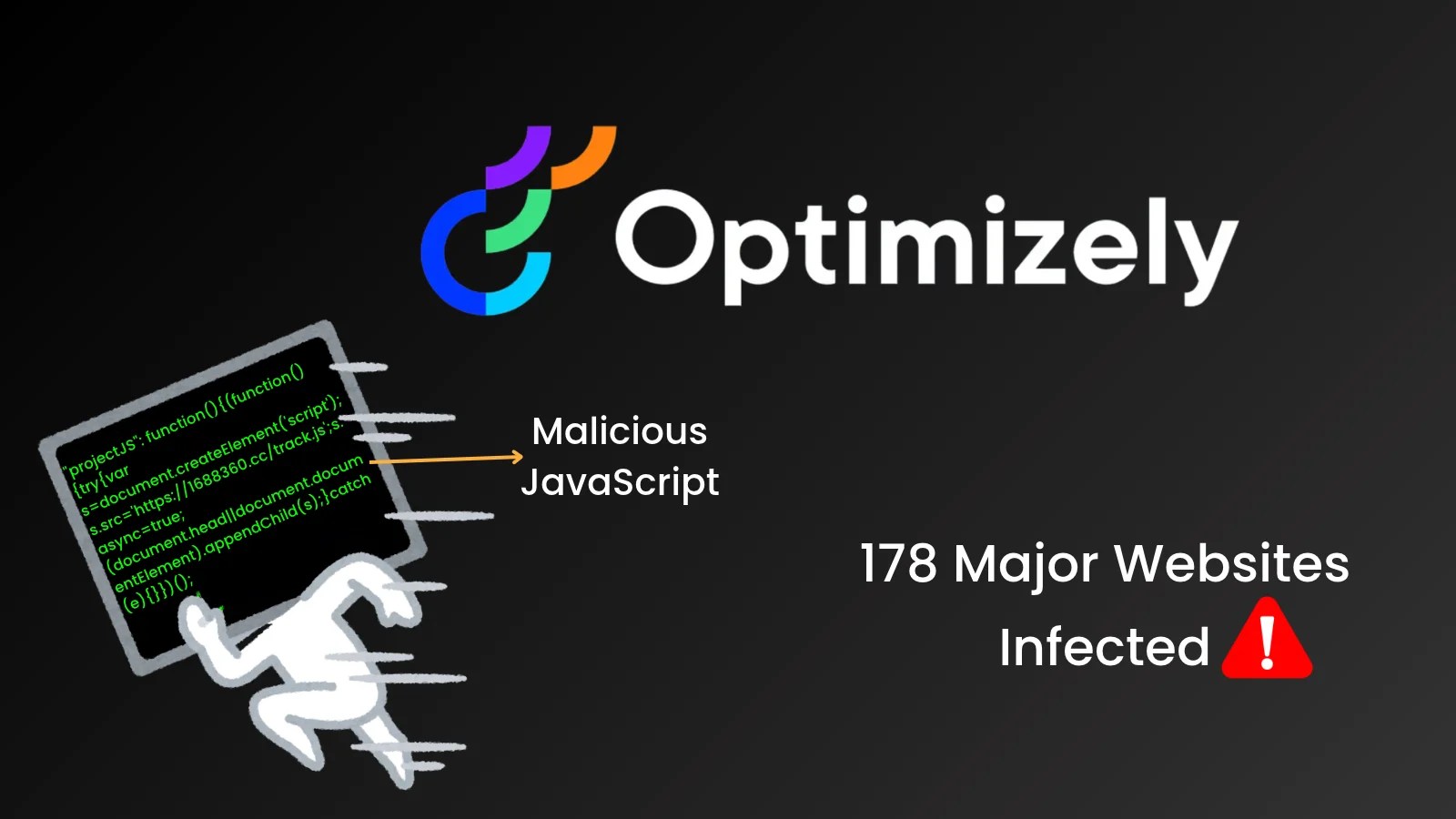
On November 16, 2026, a sophisticated cyberattack was unleashed via the Optimizely Web experimentation platform, impacting numerous high-profile websites. This breach affected 178 organizations, including renowned names like Zoom, BBC, CNN, Salesforce, and IKEA, raising alarms across the digital landscape.
Details of the Cyber Breach
The attack involved malicious JavaScript code introduced into Optimizely’s platform, which seamlessly reached the websites’ visitors. Researcher Scott Helme from Report URI identified this malicious campaign, confirming that it led to cryptocurrency theft, with transactions traced back to wallets used by the attackers.
Unlike ordinary skimmers, this malware acted as a multi-functional tool. It swapped cryptocurrency wallet addresses, captured payment card data, and took screenshots, while also targeting iPhone and iPad users with Coruna and DarkSword exploit kits.
Mechanics of the Optimizely Exploit
The attackers cleverly used Optimizely’s JavaScript “snippet” feature, which each customer loads from cdn.optimizely.com, to inject their malicious code. They inserted a loader into the Project JavaScript field, leaving the original snippet intact. This deceptive tactic allowed the code to appear legitimate, bypassing browser and security tool detections.
Three versions of the malware loader were identified. One utilized a plain script tag, another hid the malicious URL using base64 encoding, and a third carried a full payload inline. This sophisticated approach ensured that even if one method was blocked, others could still deliver the payload.
Consequences and Recommendations
The malware, dubbed a ‘crypto clipper,’ scanned webpages for wallet addresses across multiple cryptocurrencies and replaced them with the attackers’ addresses. It also added a card skimmer that harvested credit card details from form submissions. The attackers’ wallets accumulated approximately $7,040 by 19:25 UTC, and card details were sent to specific URLs for exploitation.
On Apple devices, the script targeted specific iOS versions with the Coruna and DarkSword exploit kits, each exploiting various vulnerabilities. Google’s Threat Intelligence Group provided insights into these exploit chains, emphasizing the severity of the threat.
Future Precautions and Security Measures
Organizations are advised to thoroughly inspect their Optimizely Project JavaScript fields and custom experiment codes for any suspicious entries. Security teams should review change logs and rotate credentials for users and API tokens. Implementing a robust Content Security Policy (CSP) is critical, as it significantly reduced the impact of the attack.
Updating to the latest iOS versions and reviewing any transactions from the affected date are recommended to mitigate risks. This incident underscores the importance of vigilance and proactive security measures in safeguarding digital assets.