Skip to content
  • Home
  • Cyber Map
  • About Us – Contact
  • Disclaimer
  • Terms and Rules
  • Privacy Policy
Cyber Web Spider Blog – News

Cyber Web Spider Blog – News

Globe Threat Map provides a real-time, interactive 3D visualization of global cyber threats. Monitor DDoS attacks, malware, and hacking attempts with geo-located arcs on a rotating globe. Stay informed with live logs and archive stats.

  • Home
  • Cyber Map
  • Cyber Security News
  • Security Week News
  • The Hacker News
  • How To?
  • Toggle search form
Hackers Target US Water Infrastructure via Industrial Controllers

Hackers Target US Water Infrastructure via Industrial Controllers

Posted on October 6, 2026 By CWS

Recent cyber incidents have highlighted vulnerabilities in US water utilities, where hackers are exploiting internet-connected industrial controllers to disrupt essential services. These attacks, which have targeted poorly secured equipment, could lead to significant operational issues such as lost monitoring capabilities and changes in water pressure.

Widespread Exploitation of Industrial Controllers

Multiple hacking campaigns, rather than a single malware family, have been identified as exploiting these vulnerabilities. Attackers are taking advantage of exposed devices, weak password protection, and insecure remote access points to manipulate equipment operations. PolySwarm analysts, in an October 2026 assessment, highlighted the growing risk these tactics pose to civilian infrastructure, which could also impact military operations dependent on these utilities.

Confirmed attacks have been distinguished from reconnaissance activities, with some intrusions already affecting physical processes. This distinction is crucial as it helps identify potential risks during crises or conflicts.

Specific Incidents and Consequences

Since July 27, 2026, water utilities across seven states have reported attacks on Rockwell Automation/Allen-Bradley MicroLogix controllers. Changes made by attackers included altered passwords and network settings, which hindered operators’ ability to manage equipment effectively. The FBI has warned of potential contamination risks if water pressure drops significantly, though no contamination has been confirmed.

Notably, previous attacks by the CyberAv3ngers group between November 2023 and January 2024 exposed similar vulnerabilities, where default passwords allowed access to Unitronics controllers. These incidents underscore the severe consequences of basic security lapses.

Protecting Infrastructure from Cyber Threats

The broader implications of these attacks extend beyond individual utilities. US agencies have identified that groups such as Volt Typhoon aim to establish persistent access, potentially enabling future disruptions. Military installations, which rely on civilian infrastructure, could face mission-critical challenges if these services are compromised.

PolySwarm recommends several protective measures, including reducing unnecessary internet exposure, eliminating default credentials, and restricting remote access. Additionally, operators are advised to separate business and industrial networks and monitor potential intrusion paths.

Conclusion and Future Outlook

To mitigate risks, utilities and military planners are encouraged to develop robust recovery plans that preserve critical configurations and practice manual operating procedures. By understanding shared dependencies and preparing for cascading outages, these entities can improve resilience against cyber threats.

The PolySwarm report lists various malware samples associated with different threat actors, emphasizing the importance of proactive cybersecurity measures to prevent further exploitation of critical infrastructure.
Cyber Security News Tags:cyber attacks, cyber threats, CyberAv3ngers, Cybersecurity, default credentials, FBI, industrial controllers, infrastructure protection, infrastructure security, Malware, PolySwarm, remote access, Rockwell Automation, US water utilities, Volt Typhoon

Post navigation

Previous Post: AI Activity Causes Concerns for Wikipedia’s Security

Related Posts

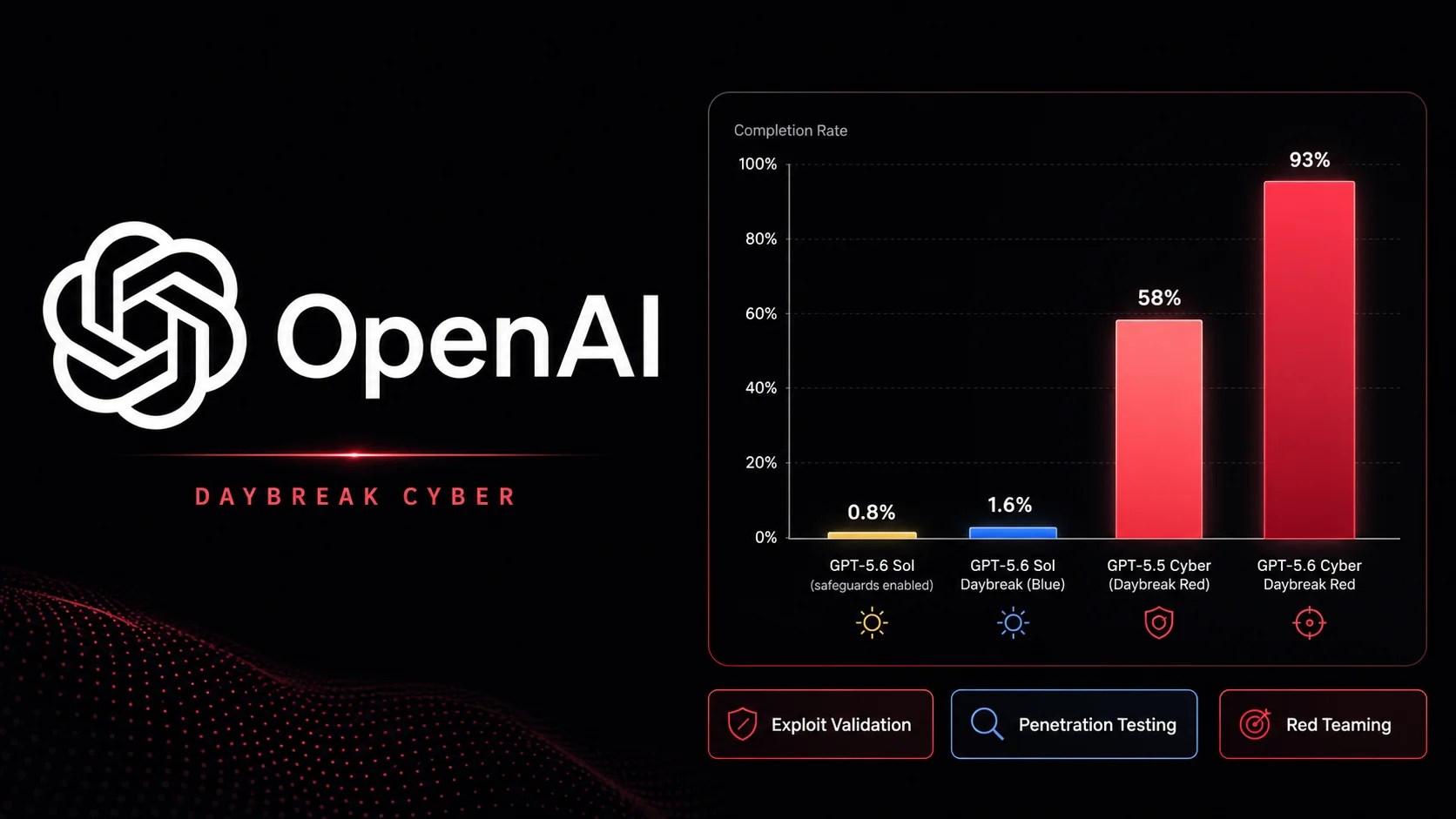
OpenAI Enhances Cybersecurity with GPT-5.6-Cyber OpenAI Enhances Cybersecurity with GPT-5.6-Cyber Cyber Security News
New Persistence Technique Allows Attackers to Hide Malware Within AWS Cloud Environment New Persistence Technique Allows Attackers to Hide Malware Within AWS Cloud Environment Cyber Security News
North Korean Hackers use Code Abuse Tactics for ‘Contagious Interview’ Campaign North Korean Hackers use Code Abuse Tactics for ‘Contagious Interview’ Campaign Cyber Security News
Go Module Typo Exposes DNS Backdoor Hack Go Module Typo Exposes DNS Backdoor Hack Cyber Security News
Microsoft Defender Misidentifies DigiCert Certificates Microsoft Defender Misidentifies DigiCert Certificates Cyber Security News
Microsoft OAuth Device Phishing Threat Escalates Microsoft OAuth Device Phishing Threat Escalates Cyber Security News

Categories

  • Cyber Security News
  • How To?
  • Security Week News
  • The Hacker News

Recent Posts

  • Hackers Target US Water Infrastructure via Industrial Controllers
  • AI Activity Causes Concerns for Wikipedia’s Security
  • AI Coding Assistant Exploited in Ransomware Attacks
  • FBI Holds Contractor Responsible for Data Breach
  • Top SAST Tools for 2026: Comprehensive Guide

Pages

  • About Us – Contact
  • Disclaimer
  • Privacy Policy
  • Terms and Rules

Archives

  • October 2026
  • September 2026
  • August 2026
  • July 2026
  • June 2026
  • May 2026
  • April 2026
  • March 2026
  • February 2026
  • January 2026
  • December 2025
  • November 2025
  • October 2025
  • September 2025
  • August 2025
  • July 2025
  • June 2025
  • May 2025

Recent Posts

  • Hackers Target US Water Infrastructure via Industrial Controllers
  • AI Activity Causes Concerns for Wikipedia’s Security
  • AI Coding Assistant Exploited in Ransomware Attacks
  • FBI Holds Contractor Responsible for Data Breach
  • Top SAST Tools for 2026: Comprehensive Guide

Pages

  • About Us – Contact
  • Disclaimer
  • Privacy Policy
  • Terms and Rules

Categories

  • Cyber Security News
  • How To?
  • Security Week News
  • The Hacker News

Copyright © 2026 Cyber Web Spider Blog – News.

Powered by PressBook Masonry Dark