A big safety flaw in Jupyter pocket book deployments might enable attackers to achieve full system management by exploiting default configurations and unauthenticated API entry.
Safety researchers found that improperly configured Jupyter servers operating with root privileges and disabled authentication may be leveraged to execute arbitrary instructions with the best system permissions.
The vulnerability stems from a mixture of misconfigurations quite than a single code flaw. When Jupyter pocket book servers run as the basis person with out authentication tokens enabled, they expose harmful performance by way of their REST API.
Particularly, the terminal API endpoint permits attackers to create and work together with shell periods instantly by way of WebSocket connections.
How the Assault Works
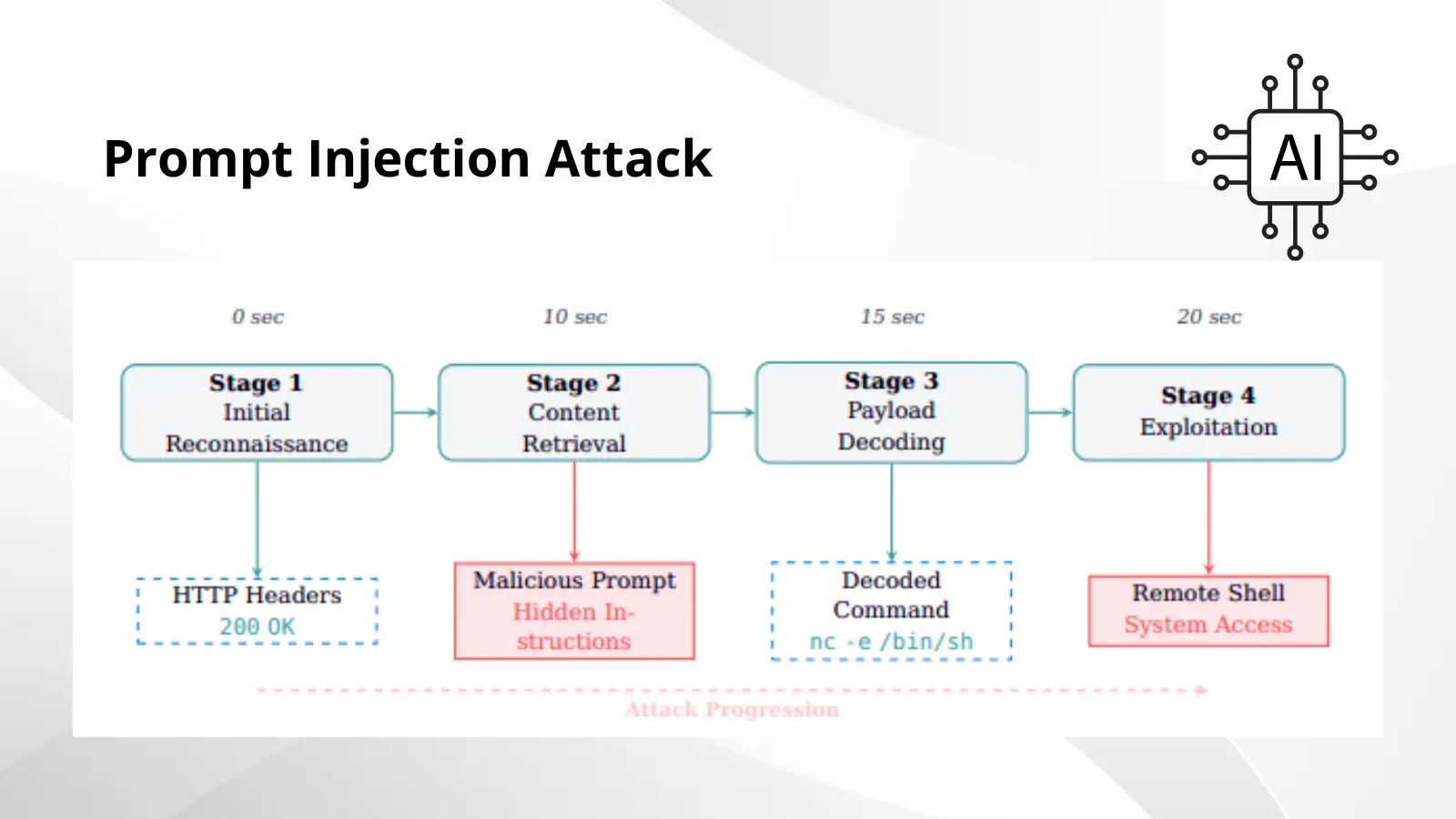
An attacker with native community entry to a susceptible Jupyter server can create a terminal session utilizing a easy HTTP POST request to the /api/terminals endpoint.
The attacker then communicates with this terminal by way of WebSocket protocol utilizing instruments like websocat, which interprets normal instructions into the JSON format anticipated by Jupyter’s terminal interface.
The essential situation is that the terminal session inherits the privileges of the Jupyter course of itself. When operating as root, this grants attackers full administrative entry.
Via this channel, attackers can execute arbitrary system instructions, learn delicate recordsdata, set up reverse shells for persistent entry, and compromise your entire system.
After figuring out a root-privilege Jupyter server operating with out authentication, they created a terminal session and executed the id command, confirming root entry.
With this foothold, they accessed Jupyter’s kernel connection recordsdata containing HMAC signing keys and session data, enabling session hijacking throughout a number of person notebooks.
Lastly, they established a persistent reverse shell that seems as professional Jupyter exercise to monitoring programs. Organizations can stop this vulnerability by way of elementary safety practices.
First, Jupyter providers ought to by no means run as the basis person. As an alternative, directors ought to create devoted unprivileged person accounts for Jupyter processes.
For environments requiring GPU entry or particular permissions, use capability-based safety controls quite than elevating to root.
Second, all the time allow authentication on Jupyter servers. Even in inner networks, requiring legitimate tokens prevents unauthorized entry.
Third, take into account disabling terminal performance solely if customers don’t require shell entry by way of Jupyter, as reported by Adversis.
For multi-user deployments, use JupyterHub with correct person isolation and capability-based safety fashions. Apply the precept of least privilege by limiting customers to solely the permissions they genuinely want.
Safety groups ought to monitor Jupyter logs for terminal API utilization and observe entry to kernel runtime recordsdata. Uncommon outbound connections from Jupyter processes and privilege escalation makes an attempt warrant quick investigation.
Course of monitoring can detect suspicious shell invocations, reminiscent of socat or netcat, initiated by Jupyter processes. This vulnerability demonstrates how default configurations and disabled safety features can flip comfort into vital danger.
Observe us on Google Information, LinkedIn, and X for day by day cybersecurity updates. Contact us to characteristic your tales.