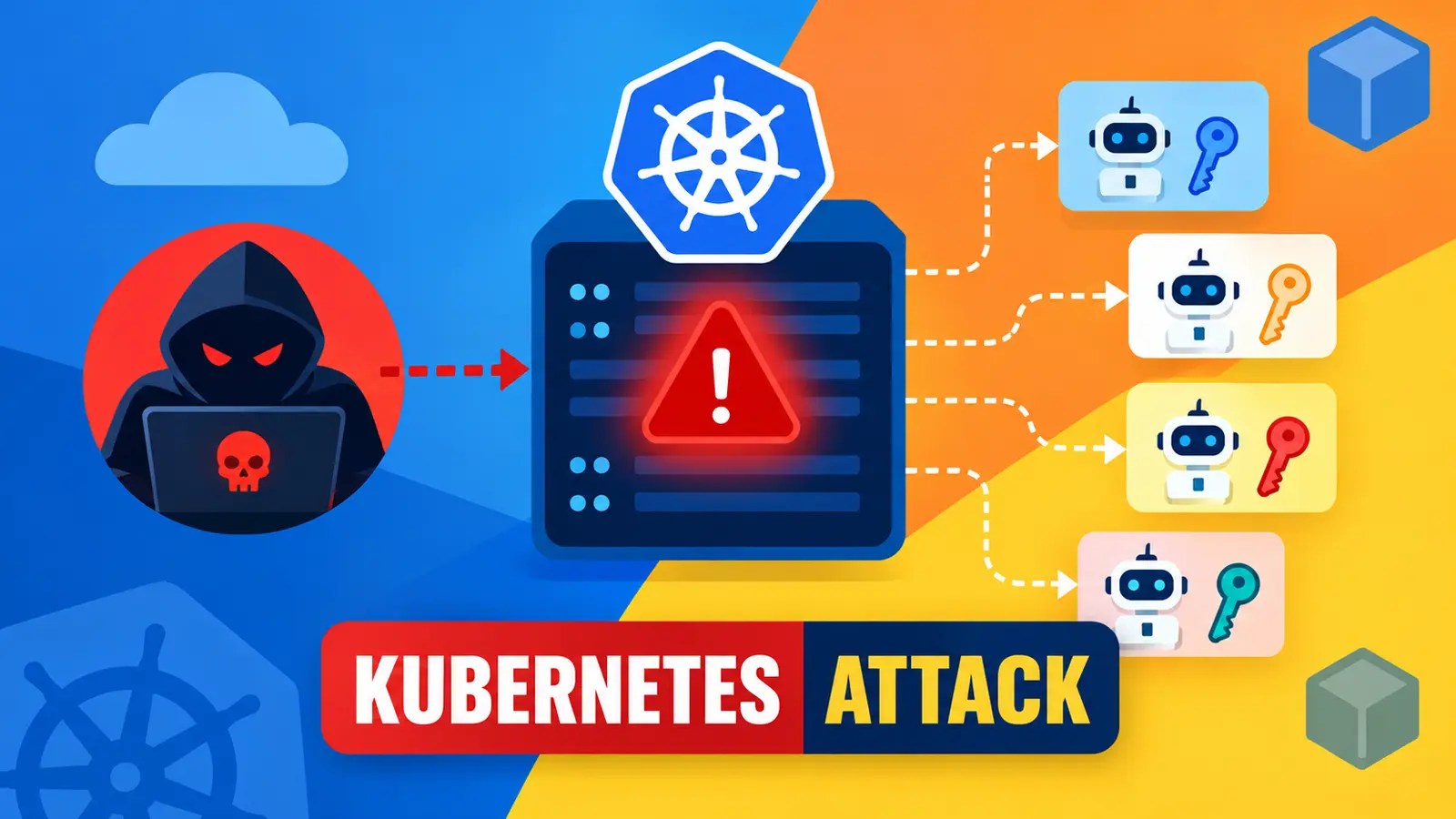
Compromised Kubernetes nodes can become a critical vulnerability point, allowing attackers to breach workload identities. When an attacker obtains root access to a node, it enables them to impersonate other workloads and access their credentials, expanding their control over the shared node environment.
Impact on SPIFFE and SPIRE Deployments
The security issue significantly affects deployments using SPIFFE and SPIRE, which are designed to replace long-term secrets with transient workload identities. These identities allow services to authenticate each other, but they rely on the node’s integrity. If an attacker gains control over the node’s operating system, this trust is undermined.
Researchers at Unit42 demonstrated how a root-level attacker can manipulate Linux cgroup data used in workload checks. According to a report by Palo Alto Networks, this technique can trick a local SPIRE agent into issuing a workload’s identity to an attacker-controlled process. Notably, this method has yet to be observed in real-world attacks.
Potential Threats and Exploits
A valid workload identity can grant an attacker access to trusted pathways that are typically secured against ordinary credentials. This can allow unauthorized access to internal services, sensitive data, and the ability to move laterally across applications as if they were a legitimate service.
When Kubernetes misconfigurations occur, as seen in past incidents, the security of nodes and identities should not be viewed as separate concerns. SPIFFE assigns each workload a unique SPIFFE Verifiable Identity Document (SVID) and a trust bundle for validation. However, if an attacker with root access can mimic a target’s cgroup path, they may deceive the system into granting them unauthorized credentials.
Defense Strategies for Node Security
To address this vulnerability, researchers developed a tool named Spooffe, which scans nodes for cgroup path manipulations and requests identities from the local agent. This allows defenders to evaluate exposure following an administrative compromise.
Organizations should treat root access as a pathway to all cryptographic identities on a node, necessitating stringent protection measures for worker nodes. Limiting administrator privileges and monitoring for unexpected changes in processes and containers are crucial steps in maintaining security.
Moreover, preventing privileged containers, restricting direct host mounts, and controlling container runtime interface access are vital measures to protect against identity-wide incidents. Policies should be robust against imitation by root-level adversaries, emphasizing specific design and regular reviews.
Conclusion: Strengthening Kubernetes Security
The security of workload identities is intricately linked to the integrity of the verifying machine. Although SPIFFE and SPIRE reduce the risks associated with persistent secrets, they cannot prevent breaches once root control is compromised. Incident response plans should include measures for credential rotation, session audits, and investigations into services accepting compromised identities.
Securing Kubernetes environments requires continuous monitoring and strong access controls to minimize damage from node failures. By enforcing least privilege and segregating high-value workloads, organizations can better safeguard their systems against potential breaches.
.webp?ssl=1 "Rising Cyber Threats Target Education Sector Globally")