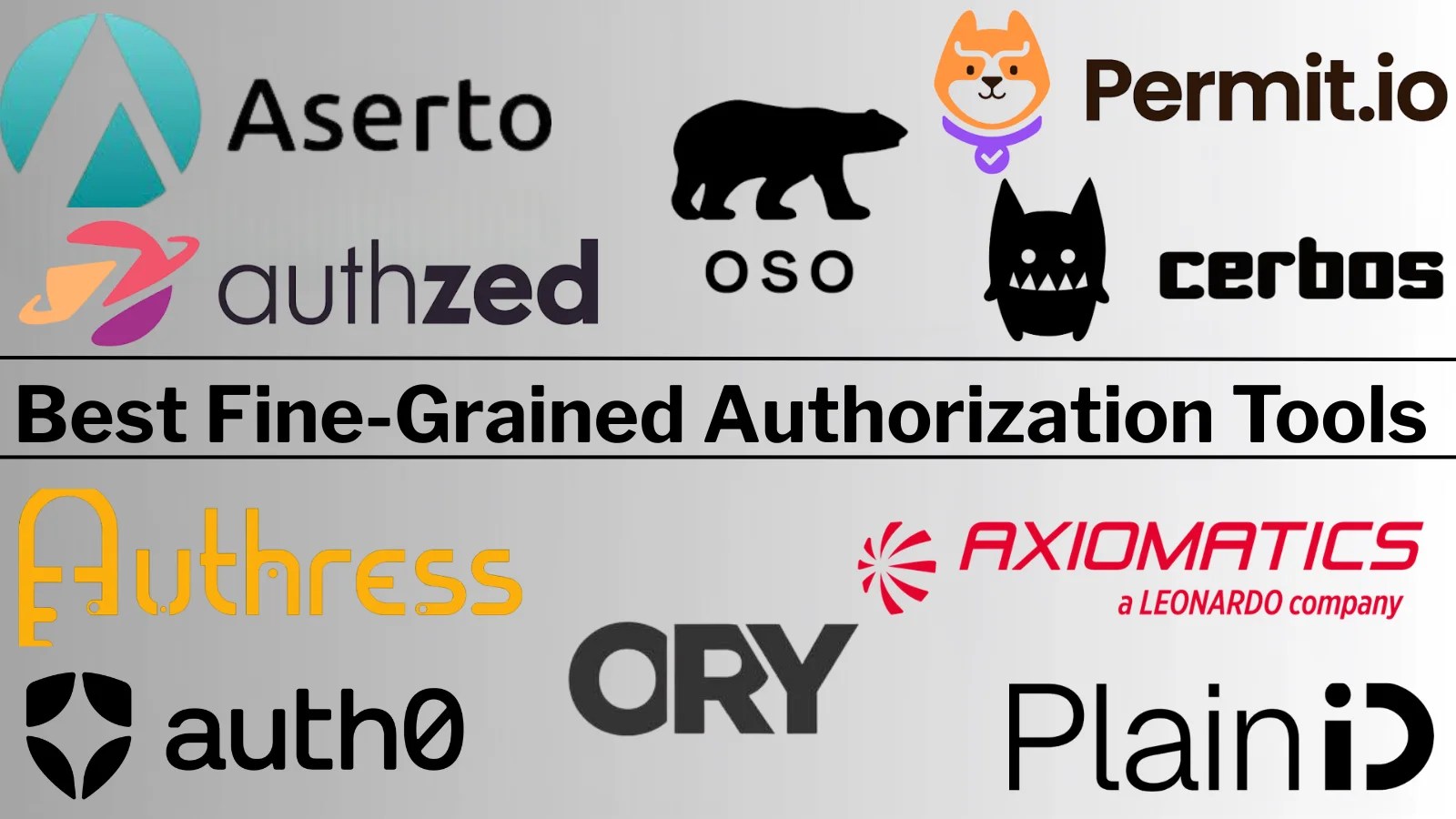
Fine-grained authorization tools are critical in today’s cybersecurity landscape, securing sensitive information through precise access control. As access control breaches remain a top concern, the need for robust authorization solutions has never been more urgent. This article reviews the top ten authorization tools of 2026, highlighting key players and their unique offerings.
Market Leaders and Key Players
Okta’s Auth0 FGA leads the pack as the premier managed ReBAC solution, offering enterprise-level operations with an open-source option through OpenFGA. AuthZed’s SpiceDB and Permit.io also stand out, providing robust authorization frameworks suited to diverse needs. SpiceDB is recognized for its open-source credentials, while Permit.io excels in full-lifecycle management.
Auth0 FGA’s strength lies in its ability to manage complex relationship-based authorization queries, similar to Google’s Zanzibar model. Meanwhile, AuthZed’s SpiceDB offers a reliable open-source alternative with extensive community support, ensuring smooth deployment across microservices. Permit.io differentiates itself by delivering a comprehensive authorization lifecycle, integrating user interfaces and policy management into a single platform.
Methodology and Evaluation Criteria
The evaluation of these tools was based on a comprehensive methodology that considered several factors, including model support for RBAC, ABAC, and ReBAC, as well as latency and scalability. Developer experience, transparency in pricing, and corporate stability were also key factors in the scoring process. The analysis did not involve lab testing or paid placements, ensuring unbiased results.
Tools were evaluated on model fit and expressiveness, developer experience, scalability, stability, and pricing clarity. Okta’s Auth0 FGA emerged as the top contender due to its effective management of relationship-based access controls, while AuthZed and Permit.io excelled in their respective categories.
Industry Implications and Future Outlook
The findings underscore the importance of selecting the right authorization model to ensure robust security practices. As the market for these tools continues to evolve, businesses must carefully assess vendor stability and community support to make informed decisions. The trend toward decoupling authorization logic from source code is crucial for implementing Zero Trust principles and minimizing security risks.
Looking ahead, the demand for fine-grained authorization tools is expected to rise as organizations strive to protect sensitive data and prevent unauthorized access. The continued development and refinement of these tools will play a pivotal role in shaping the future of cybersecurity.
In summary, selecting an appropriate authorization tool requires careful consideration of specific organizational needs and the available technological solutions. By aligning authorization tools with strategic security objectives, organizations can enhance their security posture and safeguard critical assets.