In the evolving landscape of email security, DMARC (Domain-based Message Authentication, Reporting & Conformance) plays a critical role in preventing email spoofing. In 2026, the focus remains on reaching a rejection policy without inadvertently blocking legitimate emails. This article reviews the top DMARC tools that facilitate this process.
Top DMARC Tools of 2026
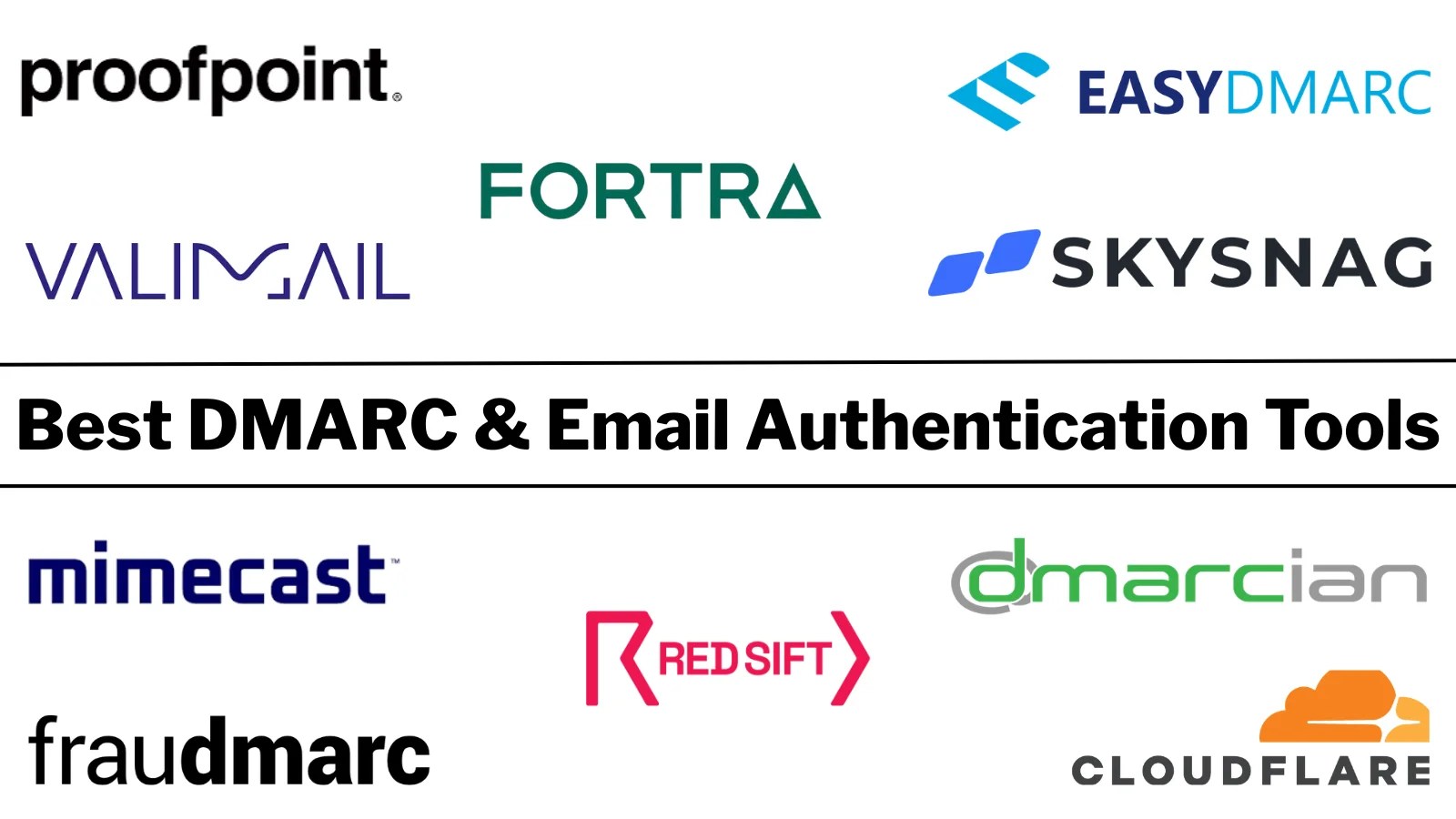
Valimail emerges as the leader due to its zero-maintenance automation, making it the go-to choice for enterprises aiming for seamless enforcement. Following closely are Proofpoint and Red Sift, which offer comprehensive enterprise solutions and guided enforcement paths, respectively.
Valimail sets the benchmark with its ability to automate email authentication, thus eliminating the need for constant DNS updates. Proofpoint integrates DMARC within its extensive email security suite, providing robust impersonation defenses. Conversely, Red Sift offers tools that guide users through setup, ensuring a smooth transition to enforcement.
Selection Criteria and Methodology
The tools were evaluated based on several criteria, including the time taken to enforce policies, effectiveness in discovering third-party senders, and clarity in pricing. Automation to enforcement was weighted at 30%, while sender discovery and hosted SPF/DKIM capabilities each accounted for 20% of the final score.
Other considerations included BIMI readiness and the ability to manage pricing structures effectively. These criteria help organizations choose tools that not only fit their needs but also enhance their email security measures.
Rankings and Insights
Besides Valimail, the rankings feature dmarcian for its methodology-led approach and Mimecast for its suite-integrated solution. EasyDMARC is highlighted for offering great value to SMBs, while Cloudflare stands out for its infra-native management capabilities.
Each tool has unique strengths, such as Fraudmarc’s focus on reporting and SPF management. Organizations are advised to select tools based on their specific requirements, such as the need for automation or expert guidance.
Ultimately, the key to DMARC success is reaching a policy of ‘reject’ without disrupting legitimate email flows. This requires thorough discovery of all senders and effective SPF/DKIM management. Organizations should consider their current infrastructure and future needs when choosing a DMARC solution.
In conclusion, as email security threats continue to evolve, the need for robust DMARC tools is more critical than ever. Organizations must prioritize tools that not only offer comprehensive security features but also simplify the enforcement process, ensuring protection against email-based threats.