Skip to content
  • Home
  • Cyber Map
  • About Us – Contact
  • Disclaimer
  • Terms and Rules
  • Privacy Policy
Cyber Web Spider Blog – News

Cyber Web Spider Blog – News

Globe Threat Map provides a real-time, interactive 3D visualization of global cyber threats. Monitor DDoS attacks, malware, and hacking attempts with geo-located arcs on a rotating globe. Stay informed with live logs and archive stats.

  • Home
  • Cyber Map
  • Cyber Security News
  • Security Week News
  • The Hacker News
  • How To?
  • Toggle search form
New Tool Analyzes LinkedIn Contacts with Epstein Files

New Tool Analyzes LinkedIn Contacts with Epstein Files

Posted on February 6, 2026 By CWS

A new open-source Python tool named EpsteIn has been developed to allow users to determine if their LinkedIn contacts appear in over 3.5 million pages of court documents related to Jeffrey Epstein, recently released by the U.S. Department of Justice. Created by Christopher Finke, this tool operates locally, emphasizing user privacy in the context of growing interest in open-source intelligence (OSINT) for network verification.

Functionality and Features of EpsteIn

The tool, EpsteIn, indexes references from public Epstein-related documents using an API crafted by Patrick Duggan, available on DugganUSA.com. It scans LinkedIn Connections.csv files exported by users. The output is an interactive HTML report, typically named EpsteIn.html, which organizes results by the number of mentions. This report includes contact cards with details such as names, job titles, companies, excerpts, and direct links to DOJ PDF documents.

In tests conducted by 404 Media, the tool identified 22 potential matches, highlighting common names like “Adam S.” This underscores the potential for false positives due to vague references. The tool requires Python 3.6 or later, the requests library, and a virtual environment set up via ‘pip install -r requirements.txt’. Users can export LinkedIn contacts through Settings > Data privacy > Get a copy of your data, though this process may take up to 24 hours.

Privacy and Security Considerations

Using the tool ensures all processing is done locally, avoiding cloud-based privacy concerns. However, exporting LinkedIn data might expose entire networks, and improper use could lead to targeted harassment or doxxing. The presence of false positives necessitates careful manual review, aligning with best practices in validating indicators of compromise (IOC).

EpsteIn presents a case of accessible OSINT for probing professional networks, assisting cybersecurity professionals in examining associations after data leaks. While local execution minimizes server-side privacy leaks, users must remain cautious about the potential exposure of sensitive information.

Balancing Benefits and Risks

The tool offers numerous advantages, including running offline without sharing API keys and providing contextual excerpts for verification. However, common names may result in inaccurate matches, and technical skills are required for setup. The EpsteIn tool is designed to aid in personal risk assessment, but experts recommend careful consideration of conclusions drawn from public records.

For more updates on cybersecurity, follow us on Google News, LinkedIn, and X. Contact us if you wish to feature your stories.


Cyber Security News Tags:court documents, Cybersecurity, data privacy, DoJ, Epstein files, LinkedIn, network analysis, Open Source, OSINT, Python tool

Post navigation

Previous Post: Claude Opus 4.6 Uncovers 500+ Severe Flaws in Open-Source Software
Next Post: House Panel Advances Bills to Enhance Energy Cybersecurity

Related Posts

Cybersecurity Newsletter Weekly Recap – UK Hacker Bust to BMW Data Leak Cybersecurity Newsletter Weekly Recap – UK Hacker Bust to BMW Data Leak Cyber Security News
APT36 Malware Campaign Targeting Windows LNK Files to Attack Indian Government Entities APT36 Malware Campaign Targeting Windows LNK Files to Attack Indian Government Entities Cyber Security News
Threat Intelligence That Powers Best SOCs Worldwide Is Now Free   Threat Intelligence That Powers Best SOCs Worldwide Is Now Free   Cyber Security News
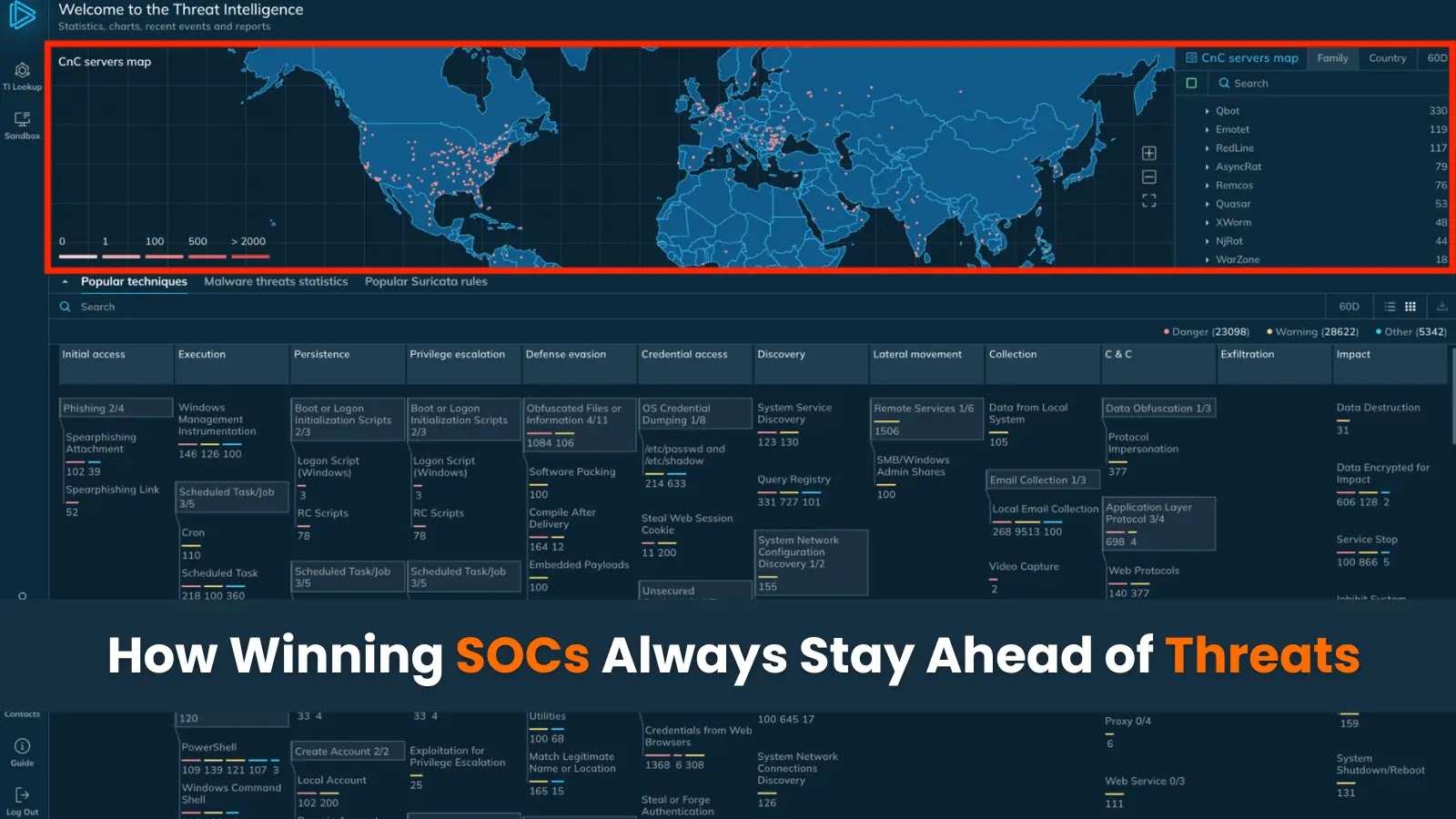
How Winning SOCs Always Stay Ahead of Threats  How Winning SOCs Always Stay Ahead of Threats  Cyber Security News
Russian Cyber Threats Intensify: RDP, VPN, and Social Tactics Russian Cyber Threats Intensify: RDP, VPN, and Social Tactics Cyber Security News
“AI-Induced Destruction” – Helpful Tools Become Accidental Weapons “AI-Induced Destruction” – Helpful Tools Become Accidental Weapons Cyber Security News

Categories

  • Cyber Security News
  • How To?
  • Security Week News
  • The Hacker News

Recent Posts

  • Toyota Allegedly Targeted by BYOD Ransomware Group
  • SAP Addresses Critical Security Vulnerabilities in Recent Update
  • Critical Xen Orchestra Flaw Exploited by Hackers
  • Microsoft Addresses 1,093 Vulnerabilities in November 2026 Patch
  • WhiteMatter Secures $20M Series A for AI Cybersecurity

Pages

  • About Us – Contact
  • Disclaimer
  • Privacy Policy
  • Terms and Rules

Archives

  • November 2026
  • October 2026
  • September 2026
  • August 2026
  • July 2026
  • June 2026
  • May 2026
  • April 2026
  • March 2026
  • February 2026
  • January 2026
  • December 2025
  • November 2025
  • October 2025
  • September 2025
  • August 2025
  • July 2025
  • June 2025
  • May 2025

Recent Posts

  • Toyota Allegedly Targeted by BYOD Ransomware Group
  • SAP Addresses Critical Security Vulnerabilities in Recent Update
  • Critical Xen Orchestra Flaw Exploited by Hackers
  • Microsoft Addresses 1,093 Vulnerabilities in November 2026 Patch
  • WhiteMatter Secures $20M Series A for AI Cybersecurity

Pages

  • About Us – Contact
  • Disclaimer
  • Privacy Policy
  • Terms and Rules

Categories

  • Cyber Security News
  • How To?
  • Security Week News
  • The Hacker News

Copyright © 2026 Cyber Web Spider Blog – News.

Powered by PressBook Masonry Dark