Skip to content
  • Home
  • Cyber Map
  • About Us – Contact
  • Disclaimer
  • Terms and Rules
  • Privacy Policy
Cyber Web Spider Blog – News

Cyber Web Spider Blog – News

Globe Threat Map provides a real-time, interactive 3D visualization of global cyber threats. Monitor DDoS attacks, malware, and hacking attempts with geo-located arcs on a rotating globe. Stay informed with live logs and archive stats.

  • Home
  • Cyber Map
  • Cyber Security News
  • Security Week News
  • The Hacker News
  • How To?
  • Toggle search form
LiteLLM Security Breach: Infostealer Threat in PyPI Release

LiteLLM Security Breach: Infostealer Threat in PyPI Release

Posted on October 22, 2026 By CWS

On October 21, 2026, the LiteLLM package on PyPI version 1.107.0 was found to contain a credential-stealing malware and a remote access trojan. These threats were embedded within all seven distributed wheel files, affecting Docker images and posing significant risks to developer systems, build environments, and AI services.

Immediate Actions and Initial Response

Aikido issued an immediate warning to developers who installed the compromised release, advising them to consider their credentials compromised. Although PyPI removed the affected version, existing installations remain vulnerable, and any stolen credentials are still at risk of being exploited.

Socket’s security investigation revealed that its detection system flagged the malicious wheels just seven minutes post-publication, underscoring the importance of rapid detection in preventing widespread distribution through automated updates before human intervention.

Technical Details of the Attack

The attackers employed Python startup hooks instead of relying on direct imports of LiteLLM. Wiz’s technical analysis detailed that three files, namely cook.pth, cook.py, and sitecustomize.py, were placed directly into the Python site-packages directory. This setup enables the malware to activate during any Python command execution, irrespective of direct LiteLLM usage.

The malware targets various sensitive information, including system data, browser information, developer secrets, and cloud credentials. It has affected SSH keys, AWS, Google Cloud, and Azure credentials, along with browser passwords and tokens for tools like GitHub Copilot.

Response and Mitigation Strategies

Developers are urged to isolate affected systems, secure logs, and treat all accessible secrets as potentially compromised. It’s crucial to rotate and revoke cloud keys, SSH keys, and other sensitive credentials from a secure environment. Simply replacing the LiteLLM package without addressing compromised credentials will not mitigate the risk.

Wiz identified LiteLLM version 1.106.2 as the last known safe release. Rebuilding affected environments from verified sources and fixing container deployments to trustworthy image digests are recommended practices. Reviewing cloud and source control logs for unusual access is essential following the incident.

Lessons and Future Precautions

This marks the second supply chain compromise for LiteLLM within the same year, highlighting the critical nature of package security. Previous incidents involving versions 1.82.7 and 1.82.8 had exposed cloud keys and CI/CD secrets, emphasizing the prolonged impact of even brief exposure to compromised packages.

To prevent future breaches, it is imperative to update defenses against emerging malware threats promptly and integrate threat intelligence feeds across security operations centers.

Cyber Security News Tags:Aikido, cloud credentials, credential theft, Cybersecurity, developer security, Docker, GitHub Copilot, InfoStealer, LiteLLM, Malware, PyPI, remote access trojan, Socket, supply chain attack, Wiz

Post navigation

Previous Post: Google Enhances Chrome with AI to Block Scam Alerts

Related Posts

MetaMask Phishing Scam Uses Fake Security Reports MetaMask Phishing Scam Uses Fake Security Reports Cyber Security News
Pastebin PowerShell Script Targets Telegram Sessions Pastebin PowerShell Script Targets Telegram Sessions Cyber Security News
German Firm Enhances Security Alert Handling with Cloud Sandbox German Firm Enhances Security Alert Handling with Cloud Sandbox Cyber Security News
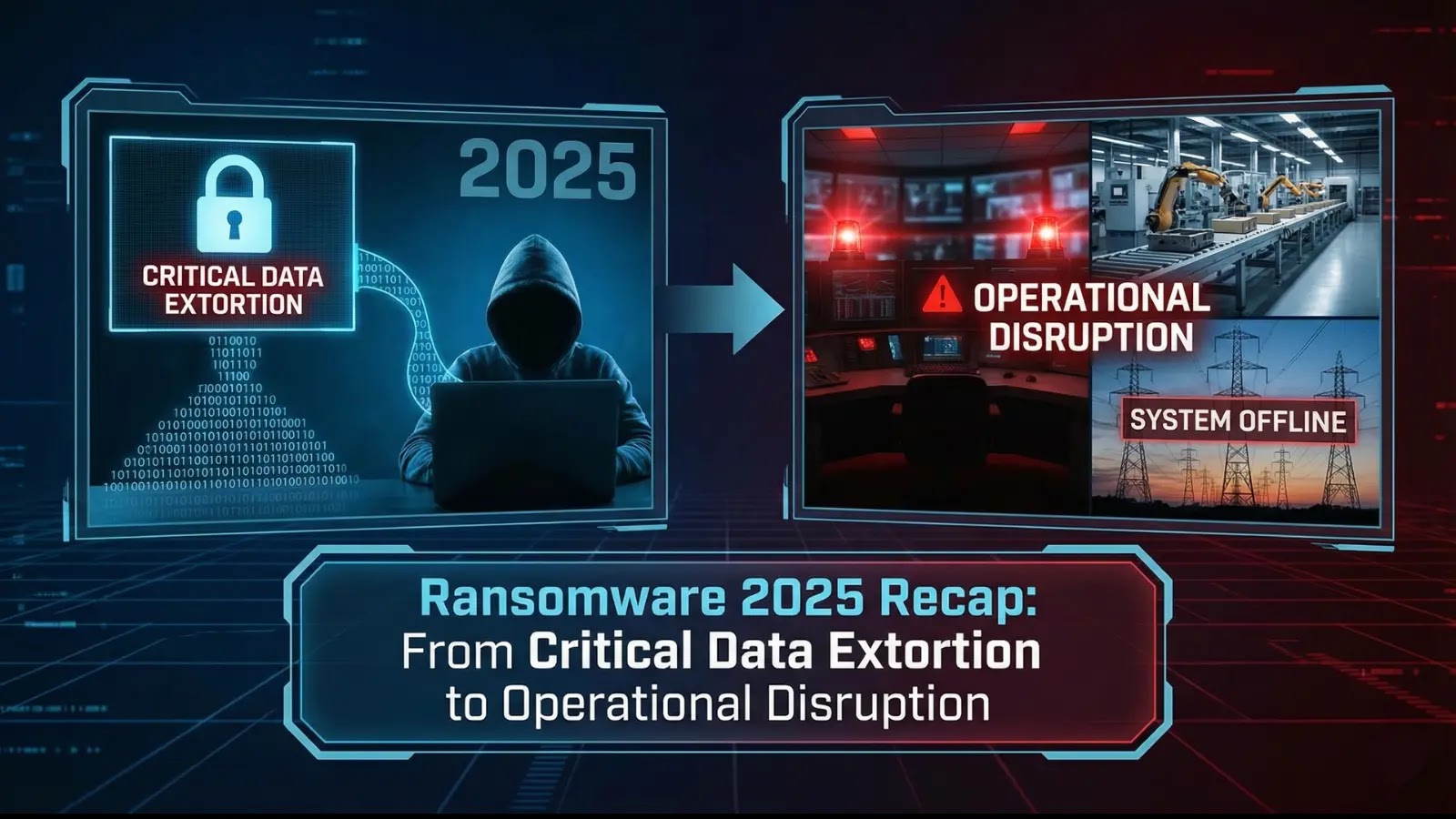
Ransomware Attack 2025 Recap – From Critical Data Extortion to Operational Disruption Ransomware Attack 2025 Recap – From Critical Data Extortion to Operational Disruption Cyber Security News
Apache Airflow Vulnerability Exposes Sensitive Details to Read-Only Users Apache Airflow Vulnerability Exposes Sensitive Details to Read-Only Users Cyber Security News
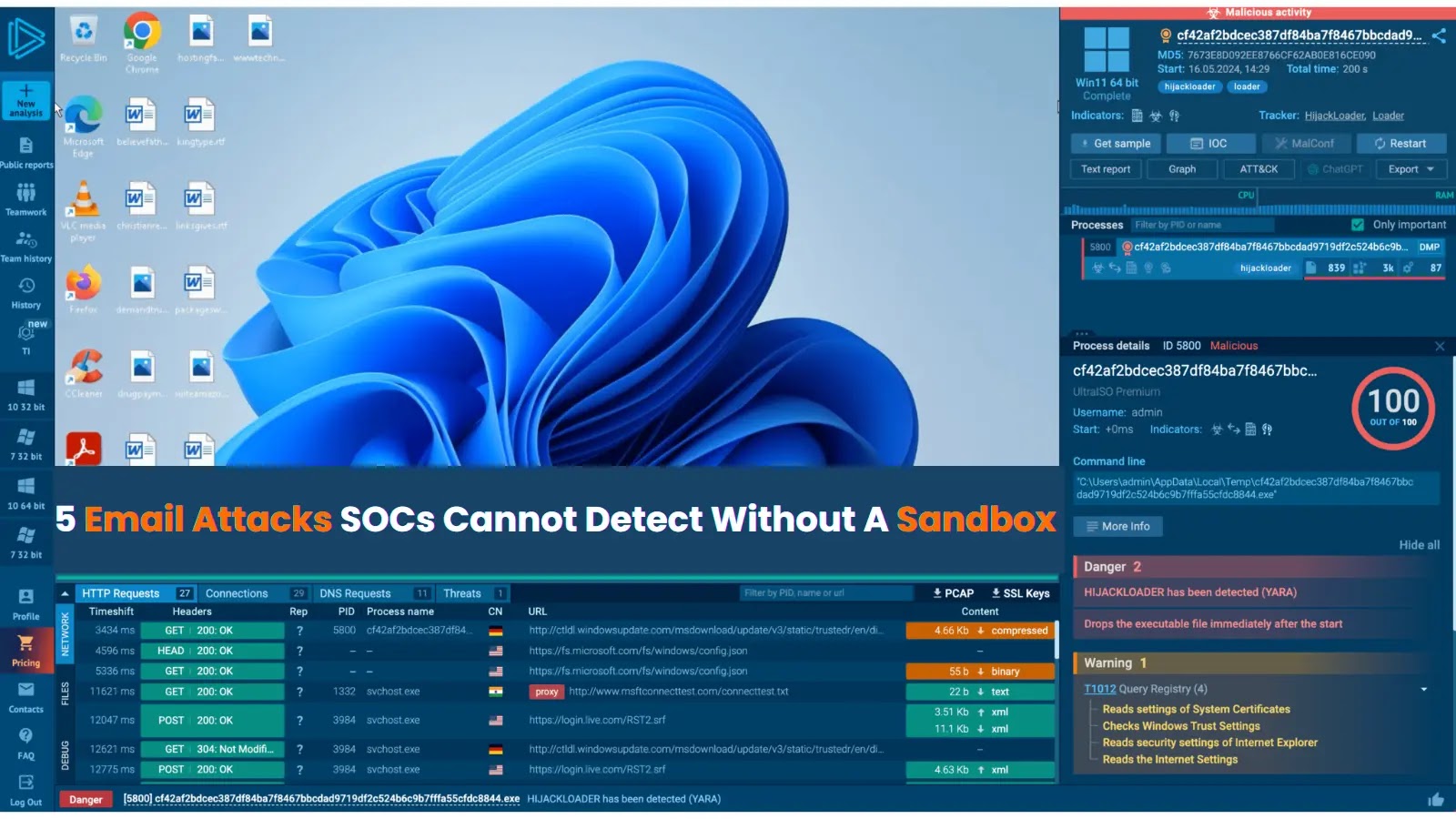
5 Email Attacks SOCs Cannot Detect Without A Sandbox  5 Email Attacks SOCs Cannot Detect Without A Sandbox  Cyber Security News

Categories

  • Cyber Security News
  • How To?
  • Security Week News
  • The Hacker News

Recent Posts

  • LiteLLM Security Breach: Infostealer Threat in PyPI Release
  • Google Enhances Chrome with AI to Block Scam Alerts
  • Gentlemen Ransomware Targets Windows Security Systems
  • Belarus Hackers Penetrate Russian Healthcare for Two Years
  • AI-Driven Browsers Enable Cybercriminals to Mask Identities

Pages

  • About Us – Contact
  • Disclaimer
  • Privacy Policy
  • Terms and Rules

Archives

  • October 2026
  • September 2026
  • August 2026
  • July 2026
  • June 2026
  • May 2026
  • April 2026
  • March 2026
  • February 2026
  • January 2026
  • December 2025
  • November 2025
  • October 2025
  • September 2025
  • August 2025
  • July 2025
  • June 2025
  • May 2025

Recent Posts

  • LiteLLM Security Breach: Infostealer Threat in PyPI Release
  • Google Enhances Chrome with AI to Block Scam Alerts
  • Gentlemen Ransomware Targets Windows Security Systems
  • Belarus Hackers Penetrate Russian Healthcare for Two Years
  • AI-Driven Browsers Enable Cybercriminals to Mask Identities

Pages

  • About Us – Contact
  • Disclaimer
  • Privacy Policy
  • Terms and Rules

Categories

  • Cyber Security News
  • How To?
  • Security Week News
  • The Hacker News

Copyright © 2026 Cyber Web Spider Blog – News.

Powered by PressBook Masonry Dark