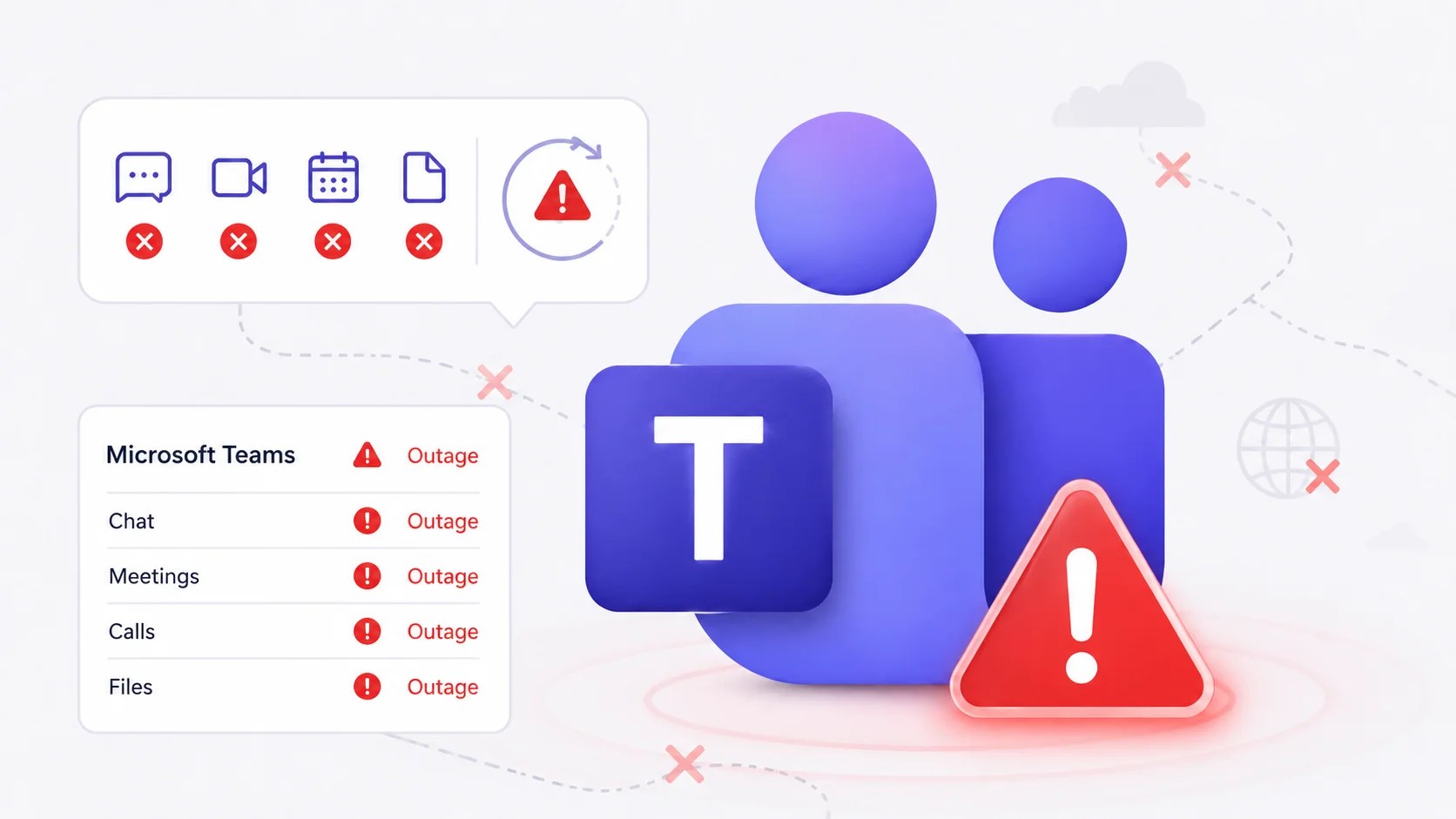
Microsoft announced on Wednesday morning that a significant disruption affected several features of Microsoft Teams, but the issue has now been largely mitigated. Early reports indicated that users were having trouble accessing meetings and other functionalities.
Initial Reports of the Disruption
By 7:26 a.m. IST on August 26, 2026, Microsoft communicated that they would keep monitoring the situation closely to ensure the problem did not reoccur. This type of disruption quickly impacts collaboration tools, affecting help-desk operations and delaying critical business processes.
Scope of the Microsoft Teams Outage
The disruption primarily affected Microsoft 365 users, particularly in the Asia-Pacific region. According to ITmedia, users in Japan began experiencing difficulties with joining and hosting meetings around 9:00 a.m. local time. While some could not access meetings, others who managed to join were unable to share screens.
This outage was partially offset by the functionality of one-to-one calls, which remained operational. Such issues underline the importance of having backup plans for organizations that rely heavily on Microsoft Teams for emergency communications.
Response and Recovery Efforts
Microsoft quickly issued updates through its Microsoft 365 Status feed, noting improvements in service stability. By 7:26 a.m. IST, Microsoft confirmed that the issue was largely mitigated, though they advised continued vigilance for potential recurrences within the next 15 to 30 minutes.
Despite these efforts, Microsoft did not provide a detailed root cause analysis in the advisory or an incident ID, leaving some questions unanswered. The disruption was attributed to maintenance activities that inadvertently impacted service quality in the Asia-Pacific region.
Ongoing Monitoring and Future Outlook
Following the resolution, Microsoft Teams services have returned to standard availability levels. However, Microsoft maintained a cautious stance, labeling the situation as “largely mitigated” rather than fully resolved. Users and administrators are advised to report any lingering issues and consider alternative communication channels as part of their incident response plans.
As Microsoft continues to address similar service challenges, businesses are encouraged to keep a close watch on official updates and consider integrating backup systems to ensure continuity during future disruptions.