Skip to content
  • Home
  • Cyber Map
  • About Us – Contact
  • Disclaimer
  • Terms and Rules
  • Privacy Policy
Cyber Web Spider Blog – News

Cyber Web Spider Blog – News

Globe Threat Map provides a real-time, interactive 3D visualization of global cyber threats. Monitor DDoS attacks, malware, and hacking attempts with geo-located arcs on a rotating globe. Stay informed with live logs and archive stats.

  • Home
  • Cyber Map
  • Cyber Security News
  • Security Week News
  • The Hacker News
  • How To?
  • Toggle search form
Phishing Alert Targets LastPass Users for Vault Access

Phishing Alert Targets LastPass Users for Vault Access

Posted on March 5, 2026 By CWS

A sophisticated phishing campaign is currently targeting users of the password management service LastPass. The attackers are sending deceptive support emails that aim to steal master passwords from unsuspecting individuals.

Identifying the Phishing Threat

Initiated around March 1, 2026, this campaign uses social engineering tactics to convince users that their accounts have been compromised. The goal is to make recipients willingly hand over their credentials by creating a false sense of urgency.

The attackers send emails that mimic internal communication threads, falsely indicating that unauthorized actions are being performed on the victim’s account. These actions include exporting vault data and initiating account recovery processes, pushing users to react impulsively.

Response and Mitigation Efforts

LastPass analysts, part of the TIME team, detected the campaign and issued a public advisory on March 3, 2026. They confirmed no direct threat to LastPass’s systems but highlighted the danger posed by users entering their credentials on fraudulent sites.

The phishing scheme involves redirecting users through multiple links to a fake single sign-on page hosted at verify-lastpass[.]com. Attackers frequently update the URL to evade basic security filters, complicating detection efforts.

Protecting Users Against Phishing Tactics

LastPass advises users to remain skeptical of unexpected emails concerning account activity and to report suspicious communications to [email protected]. The company emphasizes that it will never request master passwords via email.

A key element of this campaign is display name spoofing, where attackers manipulate the visible sender name while using unrelated email domains. This deception is particularly effective on mobile devices, where only the sender’s name is visible by default.

Upon clicking the email’s embedded link, victims are directed to a counterfeit LastPass login page. Entering credentials here grants attackers access to the user’s vault, putting all stored information at risk.

To safeguard against these threats, users should verify the full sender address in emails, avoid clicking links suggesting account issues, and directly access LastPass through its official website.

Cyber Security News Tags:credentials theft, Cybersecurity, email spoofing, fake login pages, LastPass, online safety, password security, Phishing, social engineering, user protection

Post navigation

Previous Post: International Operation Shuts Down LeakBase Cybercrime Forum
Next Post: Russian Cyber Campaign Targets Ukraine with New Malware

Related Posts

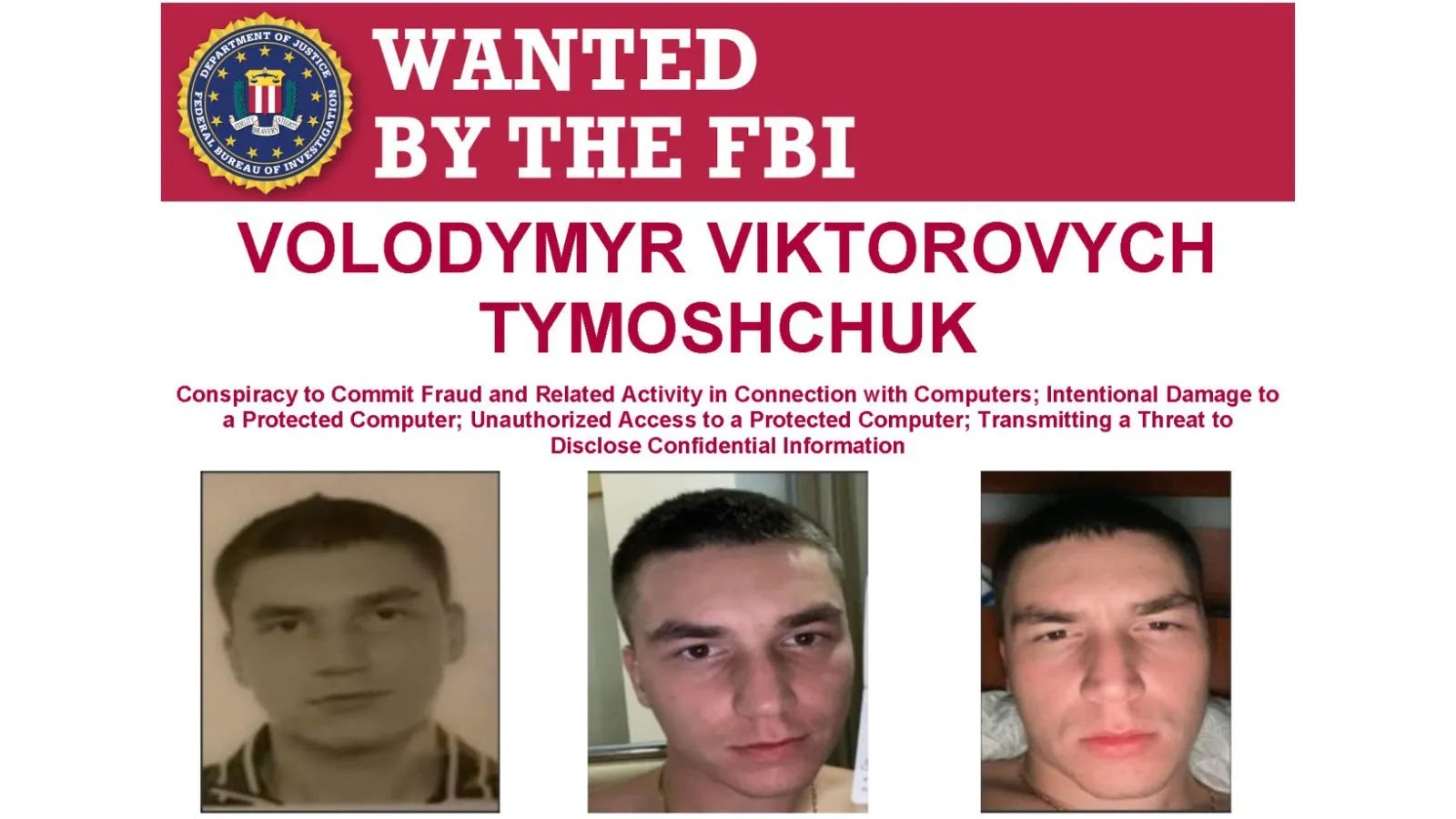
Authorities Arrested Admins Of “LockerGoga,” “MegaCortex,” And “Nefilim” Ransomware Gands Authorities Arrested Admins Of “LockerGoga,” “MegaCortex,” And “Nefilim” Ransomware Gands Cyber Security News
1inch partners with Innerworks to strengthen DeFi security through AI-Powered threat detection 1inch partners with Innerworks to strengthen DeFi security through AI-Powered threat detection Cyber Security News
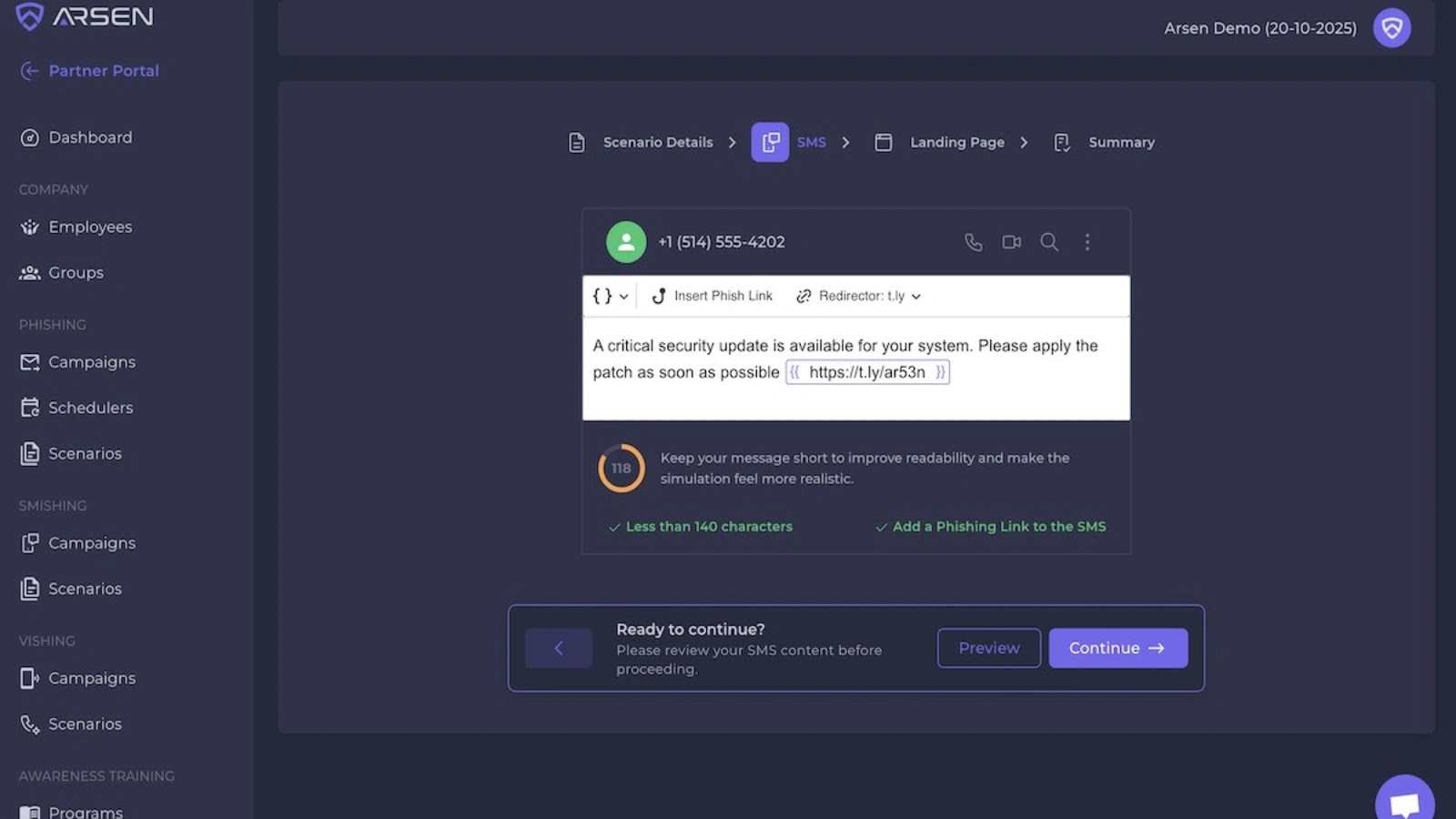
Arsen Launches Smishing Simulation to Help Companies Defend Against Mobile Phishing Threats Arsen Launches Smishing Simulation to Help Companies Defend Against Mobile Phishing Threats Cyber Security News
APT28 With Weaponized Office Documents Delivers BeardShell and Covenant Modules APT28 With Weaponized Office Documents Delivers BeardShell and Covenant Modules Cyber Security News
Hackers Can Compromise Chromium Browsers in Windows by Loading Arbitrary Extensions Hackers Can Compromise Chromium Browsers in Windows by Loading Arbitrary Extensions Cyber Security News
Microsoft Releases Windows 11 Cumulative Updates (KB5063878, KB5063875) August 2025 with New Features Microsoft Releases Windows 11 Cumulative Updates (KB5063878, KB5063875) August 2025 with New Features Cyber Security News

Categories

  • Cyber Security News
  • How To?
  • Security Week News
  • The Hacker News

Recent Posts

  • Iraqi Officials Targeted by New Malware Campaign
  • Critical Cisco Firewall Flaw Allows Remote Code Execution
  • Reclaim Security Secures $20M to Enhance Remediation Tech
  • Russian Cyber Campaign Targets Ukraine with New Malware
  • Phishing Alert Targets LastPass Users for Vault Access

Pages

  • About Us – Contact
  • Disclaimer
  • Privacy Policy
  • Terms and Rules

Archives

  • March 2026
  • February 2026
  • January 2026
  • December 2025
  • November 2025
  • October 2025
  • September 2025
  • August 2025
  • July 2025
  • June 2025
  • May 2025

Recent Posts

  • Iraqi Officials Targeted by New Malware Campaign
  • Critical Cisco Firewall Flaw Allows Remote Code Execution
  • Reclaim Security Secures $20M to Enhance Remediation Tech
  • Russian Cyber Campaign Targets Ukraine with New Malware
  • Phishing Alert Targets LastPass Users for Vault Access

Pages

  • About Us – Contact
  • Disclaimer
  • Privacy Policy
  • Terms and Rules

Categories

  • Cyber Security News
  • How To?
  • Security Week News
  • The Hacker News