Introduction to Plugin4Shell Vulnerability
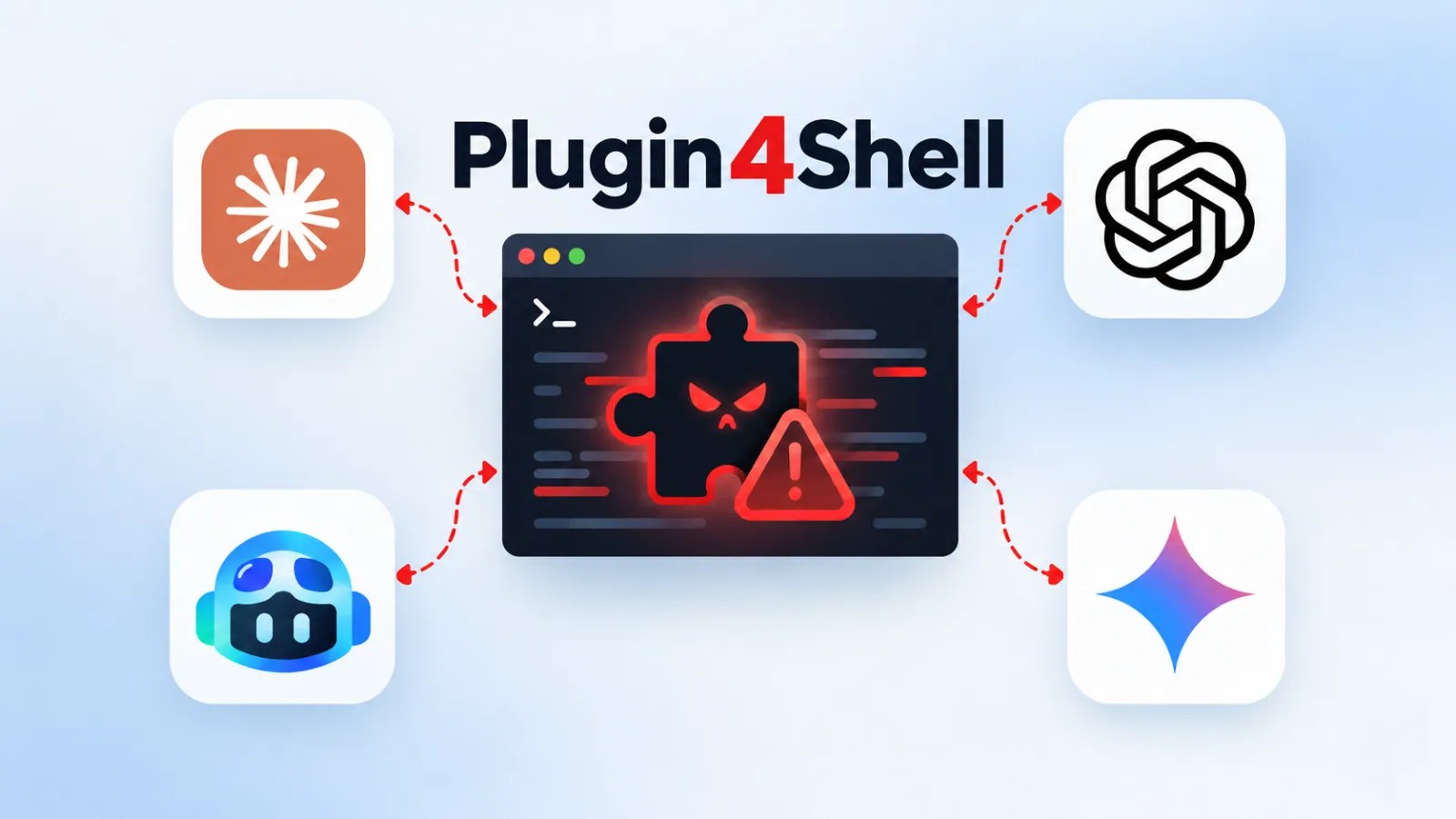
Plugin4Shell is a critical zero-click remote code execution vulnerability impacting key AI coding tools, such as Anthropic Claude Code, OpenAI Codex, GitHub Copilot, and Google Gemini CLI. This flaw allows for the execution of malicious code without any user interaction, posing significant risks to the software supply chain of these AI agents.
Understanding the Zero-Click Exploit
The vulnerability exploits the update mechanism of plugins used by AI coding agents. These plugins can access sensitive resources, including local source code, cloud credentials, SSH keys, and internal systems, due to inheriting permissions from the developer using the agent. The flaw lies in the management of SHA-pinned versions, where the agents request the approved commit but do not verify if the installed code matches it.
Researchers from Air Security revealed that an attacker could manipulate Git reference resolution, making the agent check out a harmful branch while still appearing to honor the SHA pin. This exploit could lead to the installation of unauthorized code if the branch name coincides with the plugin’s commit hash.
Impact on AI Tools and Mitigation Steps
The breach is particularly concerning for Claude Code, Codex, and GitHub Copilot, as they can be tricked into installing malicious branches. For the Gemini CLI, the issue manifests differently, exploiting the FETCH_HEAD during checkout. Automatic updates exacerbate the risk, as attackers do not need explicit user consent to deploy harmful updates—simply modifying an existing, trusted plugin is sufficient.
Anthropic addressed this vulnerability in Claude Code version 2.1.179, while OpenAI updated Codex to version 0.146.0. Although Google has deprecated Gemini CLI, it recommends users transition to Antigravity. At the time of disclosure, Microsoft had yet to release a patch for Copilot, though GitHub has implemented measures to block potentially harmful branch names.
Strategies for Enterprise Protection
Enterprises using these AI tools are advised to promptly update to the latest secure versions, scrutinize their plugin inventories, and limit plugin sources to trusted platforms. Monitoring for unusual branch changes or ownership transfers in plugin repositories is also crucial.
Vendors can enhance security by ensuring the resolved HEAD matches the marketplace-pinned SHA after installation. This verification step is essential to prevent unauthorized code from being executed.
Conclusion and Future Outlook
The Plugin4Shell vulnerability underscores the need for robust security measures in software supply chains, especially within AI tools that have extensive access to sensitive environments. Organizations must remain vigilant, regularly updating their systems and monitoring for potential security breaches to safeguard their assets effectively.