Skip to content
  • Home
  • Cyber Map
  • About Us – Contact
  • Disclaimer
  • Terms and Rules
  • Privacy Policy
Cyber Web Spider Blog – News

Cyber Web Spider Blog – News

Globe Threat Map provides a real-time, interactive 3D visualization of global cyber threats. Monitor DDoS attacks, malware, and hacking attempts with geo-located arcs on a rotating globe. Stay informed with live logs and archive stats.

  • Home
  • Cyber Map
  • Cyber Security News
  • Security Week News
  • The Hacker News
  • How To?
  • Toggle search form
RedAlert Espionage Campaign Exploits Trojanized App

RedAlert Espionage Campaign Exploits Trojanized App

Posted on March 5, 2026 By CWS

The RedAlert espionage campaign represents a sophisticated threat exploiting civilian vulnerabilities during the Israel-Iran conflict. By crafting a compromised version of the ‘Red Alert’ emergency app, attackers have turned a vital defense tool into a surveillance instrument.

Exploiting Fear Amidst Conflict

In the midst of ongoing tensions, cybercriminals have engineered a malicious app named RedAlert.apk, masquerading as the official emergency alert application. Distributed through SMS phishing, this counterfeit app bypasses the Google Play Store, compelling users to sideload it under the guise of a necessary update.

This campaign strategically capitalized on wartime anxiety, making it difficult for individuals to discern the legitimacy of the app. Once installed, the app mimicked the authentic interface, ensuring users remained oblivious to its true nature.

Technical Details and Data Harvesting

CloudSEK analysts discovered the layers of this campaign through detailed reverse engineering. The malware cleverly masked its operations, demanding high-risk permissions under the pretense of emergency functionality, and promptly activating data collection modules post-approval.

The extracted data, including GPS locations and SMS content, was relayed to attacker-controlled servers, offering insights into civilian movements and potential military activities. This data served more than just espionage; it facilitated bypasses of two-factor authentication and orchestrated misinformation campaigns.

Complex Infection Mechanism

The RedAlert.apk utilized a three-stage infection process, designed to evade detection. Initially, it employed a technique called Package Manager Hooking to disguise its true signature. A hidden file within the app was then executed in memory, circumventing static security checks.

The final stage unleashed a full spyware suite, establishing communication with the attackers’ command-and-control servers. This elaborate design underscores the campaign’s intent to maintain stealth and maximize data extraction.

To mitigate risks, users are advised to delete the fake app and reset their devices, while cybersecurity teams should block traffic to the attackers’ servers and enforce strict mobile device management policies.

Stay updated on developments by following us on Google News, LinkedIn, and X. Set CSN as your preferred news source for timely updates.

Cyber Security News Tags:cyber attack, data theft, Espionage, GPS tracking, Israel-Iran conflict, mobile security, RedAlert, Smishing, Surveillance, trojanized app

Post navigation

Previous Post: Preparing for Quantum Security: A Crucial Webinar
Next Post: Critical MongoDB Flaw Exposes Servers to Attacks

Related Posts

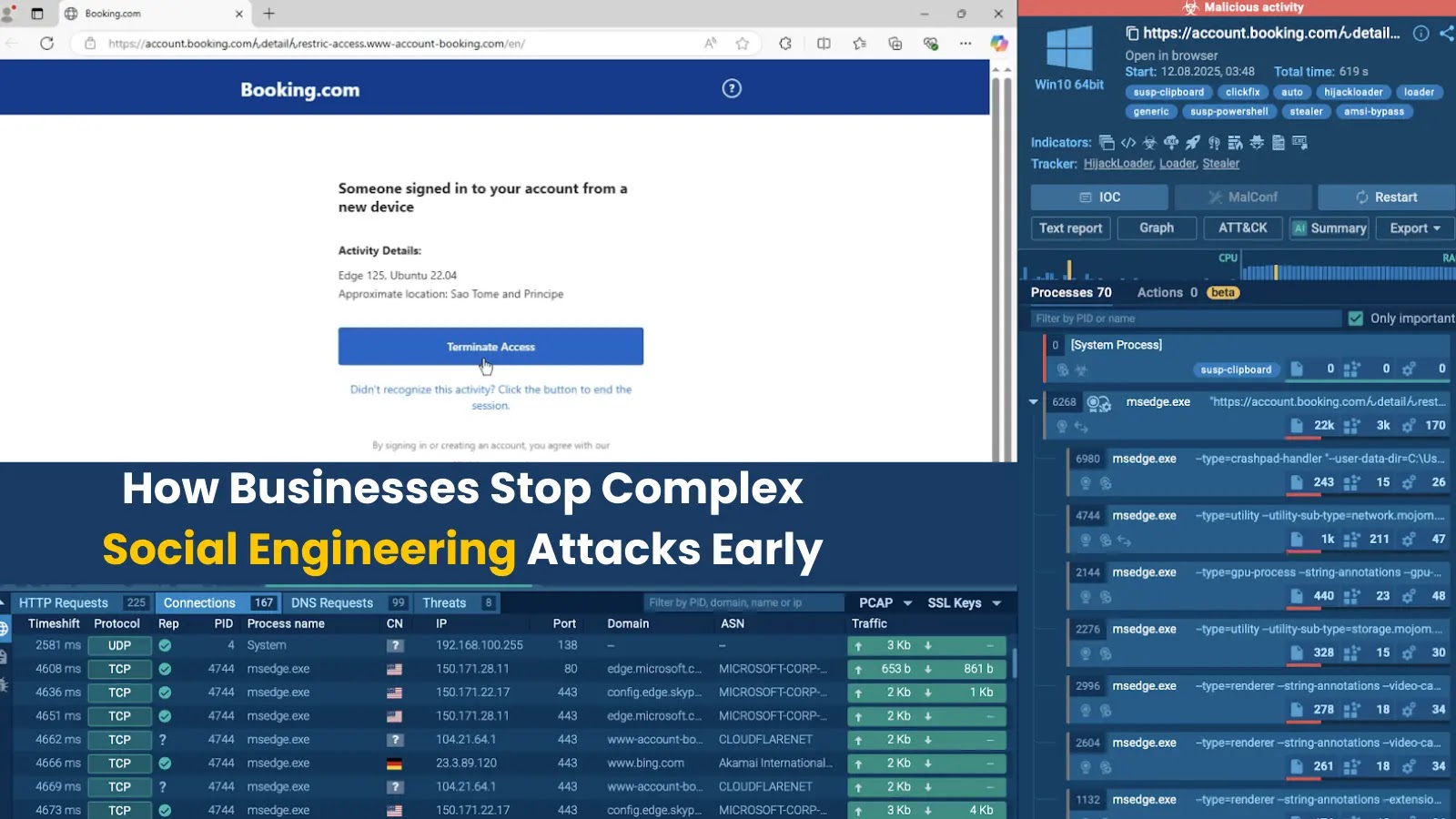
How Businesses Stop Complex Social Engineering Attacks Early How Businesses Stop Complex Social Engineering Attacks Early Cyber Security News
New Cyberattack Leverages NPM Ecosystem to Infect Developers While Installing Packages New Cyberattack Leverages NPM Ecosystem to Infect Developers While Installing Packages Cyber Security News
New Rust Based InfoStealer Extracts Sensitive Data from Chromium-based Browsers New Rust Based InfoStealer Extracts Sensitive Data from Chromium-based Browsers Cyber Security News
Beware of Fake WinRAR Website That Delivers Malware with WinRAR Installer Beware of Fake WinRAR Website That Delivers Malware with WinRAR Installer Cyber Security News
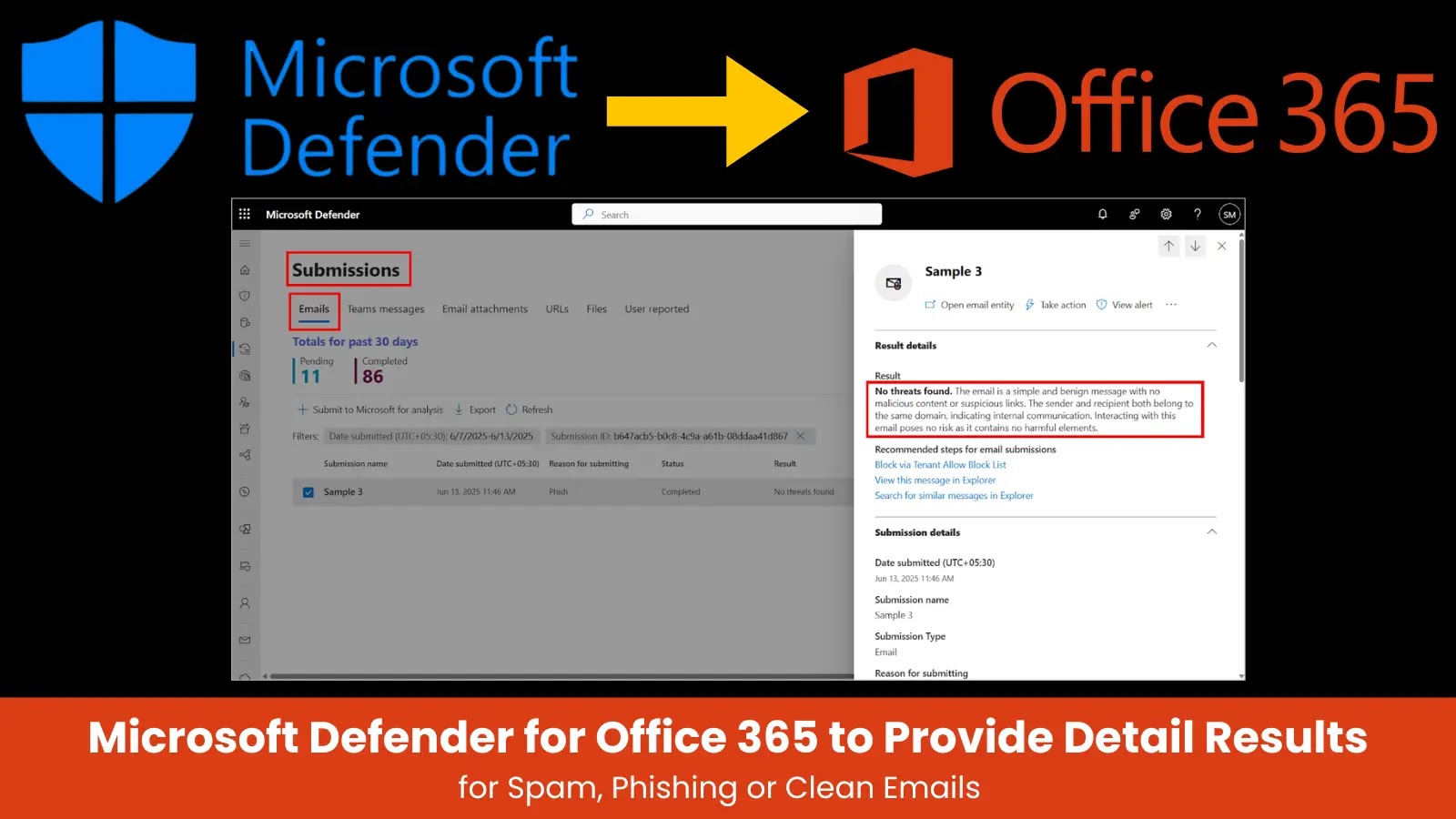
Microsoft Defender for Office 365 to Provide Detail Results for Spam, Phishing or Clean Emails Microsoft Defender for Office 365 to Provide Detail Results for Spam, Phishing or Clean Emails Cyber Security News
Akira Ransomware Uses Windows Drivers to Bypass AV/EDR in SonicWall Attacks Akira Ransomware Uses Windows Drivers to Bypass AV/EDR in SonicWall Attacks Cyber Security News

Categories

  • Cyber Security News
  • How To?
  • Security Week News
  • The Hacker News

Recent Posts

  • Cisco Highlights Exploitation of Catalyst SD-WAN Vulnerabilities
  • Critical MongoDB Flaw Exposes Servers to Attacks
  • RedAlert Espionage Campaign Exploits Trojanized App
  • Preparing for Quantum Security: A Crucial Webinar
  • Reclaim Security Secures $26M for Cybersecurity Innovation

Pages

  • About Us – Contact
  • Disclaimer
  • Privacy Policy
  • Terms and Rules

Archives

  • March 2026
  • February 2026
  • January 2026
  • December 2025
  • November 2025
  • October 2025
  • September 2025
  • August 2025
  • July 2025
  • June 2025
  • May 2025

Recent Posts

  • Cisco Highlights Exploitation of Catalyst SD-WAN Vulnerabilities
  • Critical MongoDB Flaw Exposes Servers to Attacks
  • RedAlert Espionage Campaign Exploits Trojanized App
  • Preparing for Quantum Security: A Crucial Webinar
  • Reclaim Security Secures $26M for Cybersecurity Innovation

Pages

  • About Us – Contact
  • Disclaimer
  • Privacy Policy
  • Terms and Rules

Categories

  • Cyber Security News
  • How To?
  • Security Week News
  • The Hacker News