Introduction to Cybersecurity Maturity Tools
In 2026, understanding the efficacy of cybersecurity measures remains a complex task for organizational boards. The question, “How good are we, and compared to whom?” can be answered in various ways. Different tools provide insights through framework self-assessment, live telemetry, external benchmarks, and exposure analysis. Averaging these metrics can be misleading; instead, utilizing multiple tools and examining discrepancies offers more comprehensive insights.
Leading the 2026 rankings are Axio, CyberSaint, and Microsoft Secure Score, each excelling in specific aspects of cybersecurity maturity assessment. Axio leverages scenario mathematics to transform scores into actionable strategies, while CyberSaint and Microsoft provide robust automated and telemetry-based evaluations.
Key Features of Top Tools in 2026
Axio’s C2M2 and CSF assessment frameworks are highly regarded for their scenario-based decision-making capabilities, enabling strategic planning at the board level. CyberSaint’s automated scoring system delivers continuous insights without the need for repeated manual assessments. Microsoft Secure Score provides a baseline for organizations utilizing Microsoft products, offering live telemetry insights at no additional cost.
Running assessments through both internal and external lenses is recommended. This dual approach not only provides a comprehensive view but also highlights gaps between perceived and actual security levels. The CSF 2.0 framework’s governance function is particularly beneficial in facilitating board-level discussions.
Methodology Behind the Rankings
The 2026 rankings were derived from research-based evaluations, excluding lab tests and paid placements. Key criteria included the honesty of the lens, fidelity to frameworks like CSF 2.0, benchmarking quality, roadmap outputs, continuous update capabilities, and pricing transparency. Lens-core capabilities were weighted heavily, alongside framework fidelity and roadmap outputs.
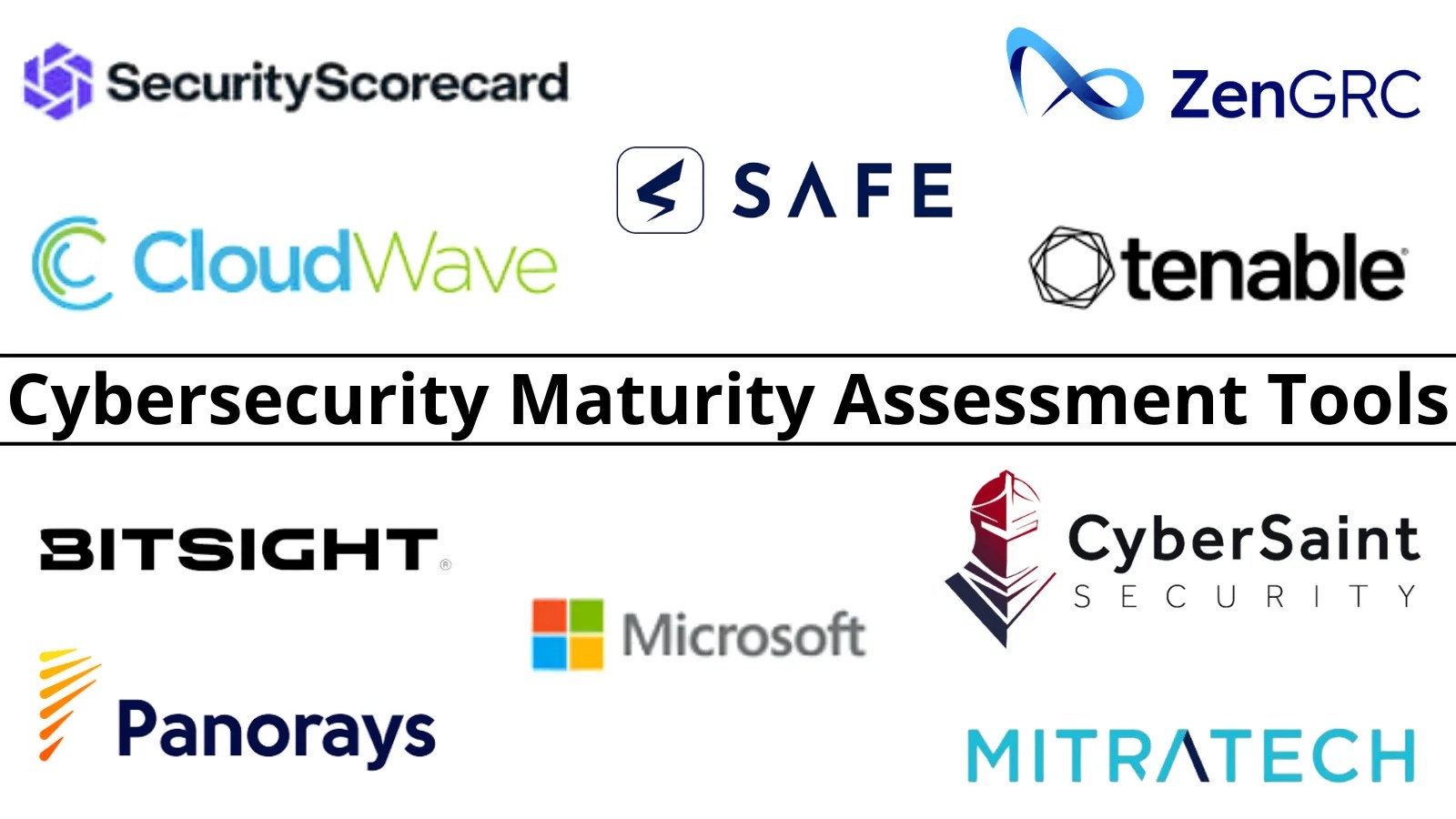
Tools such as Sensato, CyberSaint, and Microsoft Secure Score were evaluated based on their unique strengths. Sensato’s C2M2-focused assessments cater to critical infrastructure sectors, while CyberSaint automates CSF-family assessments with financial translations. Microsoft Secure Score provides a comprehensive estate baseline.
Conclusion: Choosing the Right Tool
Organizations are encouraged to declare their assessment lenses before purchasing tools. Internal assessments measure program discipline, while telemetry-based tools like Microsoft Secure Score evaluate actual estate conditions. External benchmarks from tools like BitSight and SecurityScorecard provide insights into perceived security from an external viewpoint.
It’s crucial to exhaust free resources first, such as Secure Score, and prioritize tools that offer actionable roadmaps over mere scores. Ensuring that tools natively support CSF 2.0, including its governance function, enhances the relevance of the assessments. Regular assessments, ideally quarterly, keep organizations aligned with evolving cybersecurity landscapes.