In 2026, the landscape of ransomware attacks has evolved, requiring comprehensive protection strategies. No single tool can completely prevent ransomware, as attacks now involve multiple stages including unauthorized access, credential theft, lateral movement, data exfiltration, and finally, encryption. Organizations must deploy a combination of solutions to address each stage effectively.
Understanding the Ransomware Kill Chain
Effective ransomware defense involves mapping the attack stages to specific controls. For initial access, tools like email security and multi-factor authentication (MFA) are crucial. Endpoint Protection Platforms (EPP) and Endpoint Detection and Response (EDR) solutions, such as CrowdStrike and SentinelOne, are vital for halting payload execution. Privilege and credential theft can be mitigated with endpoint privilege management and credential guards. Lateral movement requires segmentation and containment strategies, while mass encryption attacks necessitate robust behavioral detection and rollback capabilities.
Leading Solutions by Role in Defense
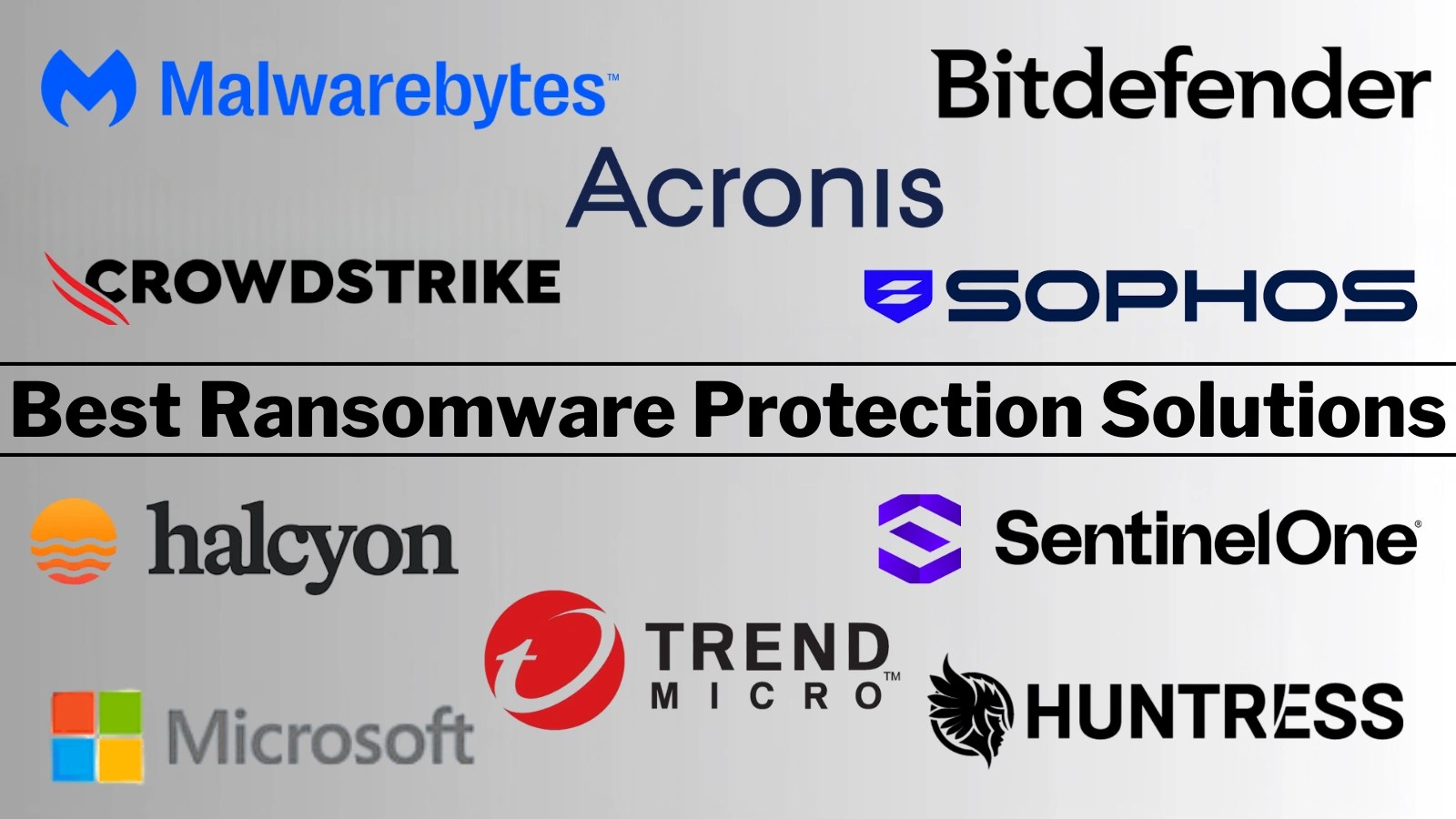
Among the top prevention-grade endpoint platforms, CrowdStrike stands out for its superior detection and intelligence capabilities, while Microsoft Defender offers strong integrated features for those already using Microsoft’s ecosystem. Sophos provides a well-balanced solution for generalist teams with its CryptoGuard feature, and SentinelOne excels in autonomous response. Bitdefender and Trend Micro are recognized for their cost-effective and server-focused protection, respectively.
Specialized solutions like Halcyon and Huntress offer additional layers of defense. Halcyon focuses on pre-execution models and key-capture techniques to combat ransomware, while Huntress provides managed detection and response tailored for small to medium-sized businesses. Malwarebytes offers lightweight remediation options, making it ideal for smaller organizations.
Ensuring Data Recovery and Protection
Recovery solutions are integral to ransomware protection. Acronis Cyber Protect combines immutable backup with active ransomware defense, safeguarding critical backup files. However, organizations must ensure that tamper protection is activated across all systems to prevent attackers from disabling security measures. Implementing strict access controls and testing backup restoration processes regularly are essential steps in a robust defense strategy.
It’s important to recognize that modern ransomware attacks may bypass encryption altogether and focus on data theft for extortion. This shift necessitates a proactive approach to monitoring data egress and implementing data loss prevention (DLP) measures.
Concluding Thoughts on Ransomware Defense
The evolving nature of ransomware attacks in 2026 underscores the need for a layered defense strategy. Organizations must invest in a combination of endpoint protection, data recovery, and specialized anti-ransomware tools. Regularly testing these solutions and staying informed about emerging threats are critical to maintaining robust security measures. As data theft becomes a more prevalent threat, the focus must expand beyond traditional encryption defenses to include comprehensive monitoring and rapid response capabilities.