Skip to content
  • Home
  • Cyber Map
  • About Us – Contact
  • Disclaimer
  • Terms and Rules
  • Privacy Policy
Cyber Web Spider Blog – News

Cyber Web Spider Blog – News

Globe Threat Map provides a real-time, interactive 3D visualization of global cyber threats. Monitor DDoS attacks, malware, and hacking attempts with geo-located arcs on a rotating globe. Stay informed with live logs and archive stats.

  • Home
  • Cyber Map
  • Cyber Security News
  • Security Week News
  • The Hacker News
  • How To?
  • Toggle search form
VoidLink Rootkit Exploits Linux with Advanced Techniques

VoidLink Rootkit Exploits Linux with Advanced Techniques

Posted on March 26, 2026 By CWS

Emerging Linux Threat

The emergence of the VoidLink rootkit poses a significant threat to Linux systems, utilizing Loadable Kernel Modules (LKMs) and extended Berkeley Packet Filter (eBPF) programs to embed itself deeply within the system’s core. Initially reported by Check Point Research in January 2026, this cloud-native malware is crafted using the Zig programming language and integrates over 30 plugins for advanced functionality.

Advanced Rootkit Development

One of VoidLink’s most concerning aspects is its rapid development. Through AI-assisted workflows using the TRAE development environment, a single developer managed to bring this complex framework to life in less than a week. The rootkit masquerades under names like vl_stealth and amd_mem_encrypt, imitating legitimate drivers to evade detection on cloud platforms.

Elastic Security Labs uncovered the rootkit’s architecture after analyzing a data dump that revealed its source code, compiled binaries, and deployment scripts. This analysis confirmed that VoidLink is a multigenerational framework tested on various systems, from CentOS 7 to Ubuntu 22.04, with annotations in Simplified Chinese pointing to a Chinese-speaking threat actor.

Technical Sophistication

VoidLink’s ability to hide running processes, network connections, and files from administrators is facilitated by a covert ICMP channel that communicates without detectable ports or traffic. The latest variant, Ultimate Stealth v5, introduces features like delayed hook installation and anti-debugging measures, complicating forensic investigations.

This rootkit is not standalone; its boot loader script, load_lkm.sh, scans for fileless implants and conceals them upon activation, indicating a design intended to protect a companion implant, likely a reverse shell, active on the compromised system.

Dual Concealment Strategy

VoidLink employs a two-pronged concealment strategy, assigning roles between its LKM and eBPF components. The LKM hooks system calls, conceals files and processes, and filters outputs from /proc directories, while the eBPF component obscures active network connections from tools like ss by manipulating Netlink responses.

This approach required extensive testing, iterating through multiple versions of its eBPF programs to achieve a stable concealment method. Security teams are advised to enforce measures such as Secure Boot and kernel module signing to prevent unauthorized LKMs, utilize kernel lockdown modes, and audit system calls to detect unusual module activity early.

Conclusion and Recommendations

Given the sophistication of VoidLink, it is crucial for security teams to implement robust monitoring and defense mechanisms. Regularly reviewing system processes and network connections can help uncover concealed activities. As cyber threats evolve, staying informed and proactive is essential to safeguarding Linux environments.

Cyber Security News Tags:AI-assisted development, Alibaba Cloud, cloud-native, Covert channel, Cybersecurity, eBPF, ICMP, Linux security, LKM, Malware, network security, Rootkit, Threat Actors, VoidLink, Zig programming

Post navigation

Previous Post: Leak Bazaar Revolutionizes Stolen Data Sales with New Platform
Next Post: Stealthy BPFdoor Backdoors Threaten Telecom Networks

Related Posts

ShinyHunters Takes Responsibility for EY Data Breach ShinyHunters Takes Responsibility for EY Data Breach Cyber Security News
Android Malware PromptSpy Adapts Using AI in Real-Time Android Malware PromptSpy Adapts Using AI in Real-Time Cyber Security News
LXD and Incus Flaw Puts Linux Hosts at Risk LXD and Incus Flaw Puts Linux Hosts at Risk Cyber Security News
Google Debuts Gemini 4 Carbon with Advanced Security Features Google Debuts Gemini 4 Carbon with Advanced Security Features Cyber Security News
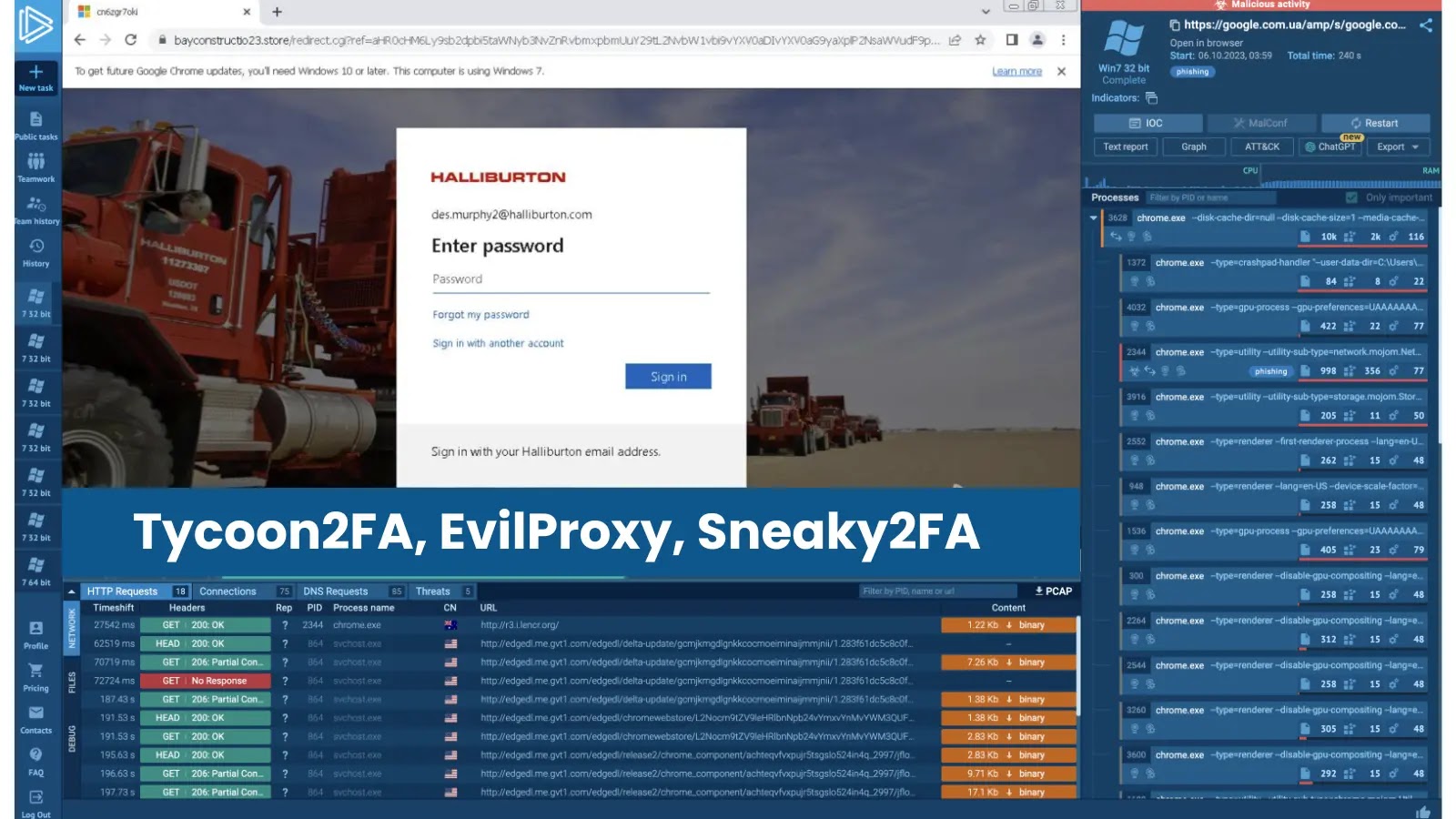
How To Defend Against These Phishing Kit Attacks  How To Defend Against These Phishing Kit Attacks  Cyber Security News
Critical NGINX Vulnerabilities Risk Server Stability Critical NGINX Vulnerabilities Risk Server Stability Cyber Security News

Categories

  • Cyber Security News
  • How To?
  • Security Week News
  • The Hacker News

Recent Posts

  • Notepad++ 8.9.9 Update Resolves Critical Security Flaws
  • Ethersphere Tools Breached, Malware Targets Wallets
  • Abe Office Malware Circumvents Chrome Security to Steal Data
  • Qubole’s AWS Accounts Breached, Customer Data Compromised
  • Google Gemini Image Safety Bypass Exposed by Researchers

Pages

  • About Us – Contact
  • Disclaimer
  • Privacy Policy
  • Terms and Rules

Archives

  • November 2026
  • October 2026
  • September 2026
  • August 2026
  • July 2026
  • June 2026
  • May 2026
  • April 2026
  • March 2026
  • February 2026
  • January 2026
  • December 2025
  • November 2025
  • October 2025
  • September 2025
  • August 2025
  • July 2025
  • June 2025
  • May 2025

Recent Posts

  • Notepad++ 8.9.9 Update Resolves Critical Security Flaws
  • Ethersphere Tools Breached, Malware Targets Wallets
  • Abe Office Malware Circumvents Chrome Security to Steal Data
  • Qubole’s AWS Accounts Breached, Customer Data Compromised
  • Google Gemini Image Safety Bypass Exposed by Researchers

Pages

  • About Us – Contact
  • Disclaimer
  • Privacy Policy
  • Terms and Rules

Categories

  • Cyber Security News
  • How To?
  • Security Week News
  • The Hacker News

Copyright © 2026 Cyber Web Spider Blog – News.

Powered by PressBook Masonry Dark