Skip to content
  • Home
  • Cyber Map
  • About Us – Contact
  • Disclaimer
  • Terms and Rules
  • Privacy Policy
Cyber Web Spider Blog – News

Cyber Web Spider Blog – News

Globe Threat Map provides a real-time, interactive 3D visualization of global cyber threats. Monitor DDoS attacks, malware, and hacking attempts with geo-located arcs on a rotating globe. Stay informed with live logs and archive stats.

  • Home
  • Cyber Map
  • Cyber Security News
  • Security Week News
  • The Hacker News
  • How To?
  • Toggle search form
WhatsApp Usage May Require Active SIM Under New Rules

WhatsApp Usage May Require Active SIM Under New Rules

Posted on October 23, 2026 By CWS

WhatsApp users in India could face service disruptions if their accounts are not linked to an active SIM card, following new government regulations set to be enforced from January 1, 2027. Messaging platforms have been given a deadline until December 31, 2026, to ensure compliance with this mandate.

Impact on Messaging Services

The introduction of SIM-binding requirements will impact users who operate WhatsApp on secondary devices like tablets or phones without an active SIM. This continuous connection between the messaging account and the SIM card, distinct from a one-time verification code, aims to establish a persistent link between the user and their device.

As part of the directive issued by the Department of Telecommunications under the amended Telecom Cyber Security Rules, 2024, several popular messaging services, including Telegram, Signal, and Snapchat, are also affected. This move is intended to address issues where accounts remain functional even after the associated SIM is deactivated, a loophole often exploited by criminals for phishing scams and fraudulent activities.

Government Intentions and Measures

The government’s objective is to enhance traceability of accounts by ensuring they are continuously accessible via the registered SIM. However, this policy is not a silver bullet to eliminate all fraudulent activities or unauthorized account access. The previous requirement for web sessions to log out every six hours has shifted towards a risk-based approach, where sessions may terminate upon detecting suspicious activities.

This adjustment means users could face interruptions, especially when they change, deactivate, or remove the registered SIM while traveling. The rules for companion devices, such as tablets, will vary based on each platform’s implementation strategy, but roaming remains unaffected if the registered SIM stays in the handset.

Cybersecurity Concerns and User Actions

While SIM binding addresses the misuse of phone numbers, it does not tackle device-linking scams. Reports of WhatsApp GhostPairing attacks, where attackers gain control through linked devices, highlight ongoing security challenges. Users should regularly check WhatsApp’s Linked Devices section to ensure all sessions are familiar and legitimate.

January 1, 2027, serves as the anticipated enforcement date, though not all unsupported setups may cease immediately. Actual service disruptions will depend on how prepared platforms are and the specific changes they implement. Users are advised to stay vigilant and update their defenses against emerging malware threats promptly.

Integrating threat intelligence feeds with data from numerous security operation centers can bolster defenses and mitigate potential risks associated with these regulatory changes.


Cyber Security News Tags:Cybersecurity, device security, government rules, India regulations, Messaging Apps, phishing scams, SIM binding, telecom policies, Telecommunications, WhatsApp

Post navigation

Previous Post: Ruby Addresses Critical Bugs Impacting GitLab Security
Next Post: BlackX UEFI Bootkit Compromises Secure Boot in Central Asia

Related Posts

FvncBot Exploits Android Accessibility: A New Threat FvncBot Exploits Android Accessibility: A New Threat Cyber Security News
What Businesses Need to Know What Businesses Need to Know Cyber Security News
North Korean Hackers Weaponizing NPM Packages to Steal Cryptocurrency and Sensitive Data North Korean Hackers Weaponizing NPM Packages to Steal Cryptocurrency and Sensitive Data Cyber Security News
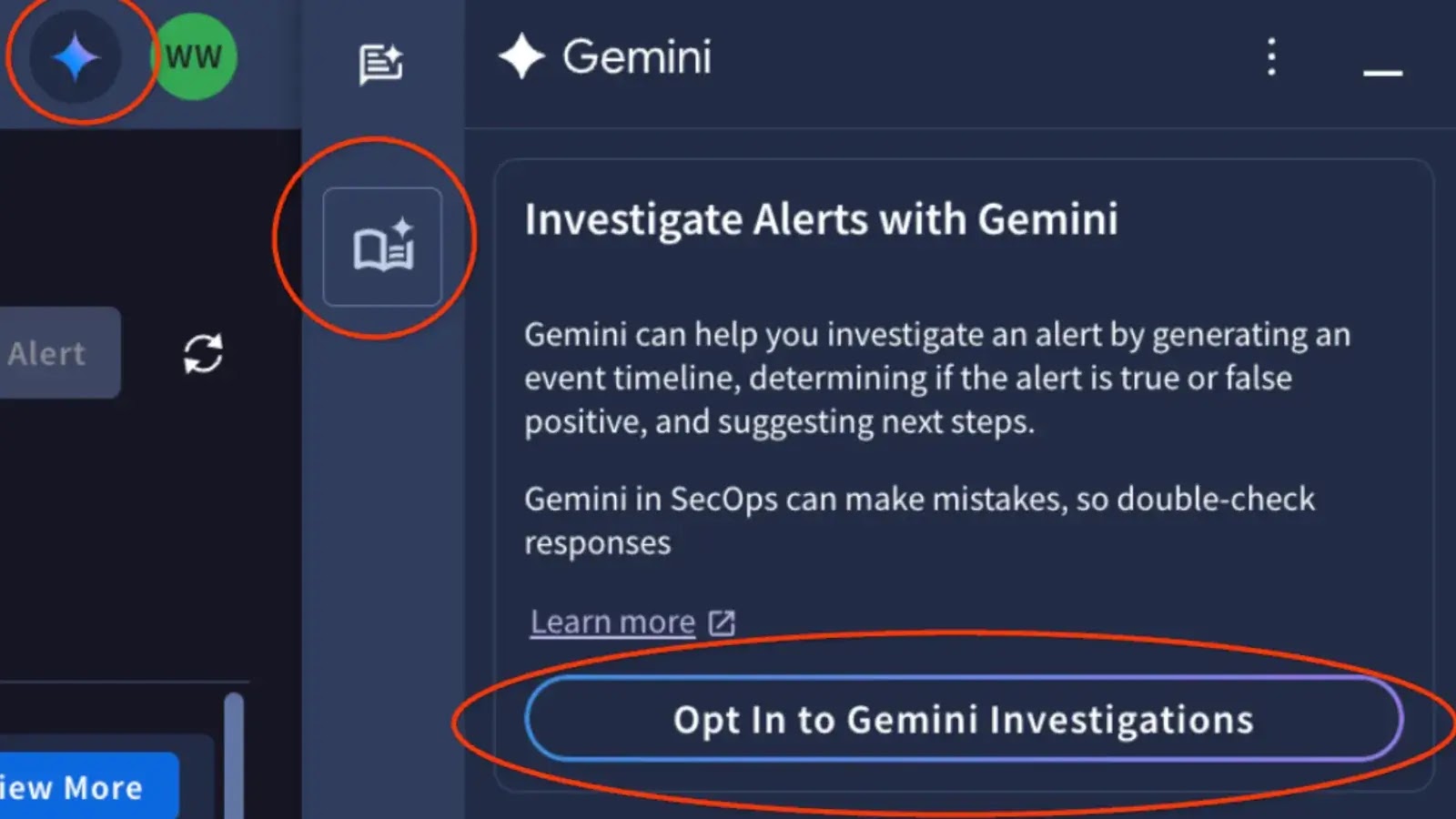
Google Announces Public Preview of Alert Triage and Investigation Agent used in Google Security Operations Google Announces Public Preview of Alert Triage and Investigation Agent used in Google Security Operations Cyber Security News
GitLab Patches Multiple Vulnerabilities That Enables Denial Of Service And SSRF Attacks GitLab Patches Multiple Vulnerabilities That Enables Denial Of Service And SSRF Attacks Cyber Security News
Critical Vulnerability in VM2 Sandbox Library for Node.js Let Attackers run Untrusted Code Critical Vulnerability in VM2 Sandbox Library for Node.js Let Attackers run Untrusted Code Cyber Security News

Categories

  • Cyber Security News
  • How To?
  • Security Week News
  • The Hacker News

Recent Posts

  • BlackX UEFI Bootkit Compromises Secure Boot in Central Asia
  • WhatsApp Usage May Require Active SIM Under New Rules
  • Ruby Addresses Critical Bugs Impacting GitLab Security
  • North Korea Faces Internet Disruption from DDoS Attacks
  • Capcom Data Breach: 11 Million Records Compromised

Pages

  • About Us – Contact
  • Disclaimer
  • Privacy Policy
  • Terms and Rules

Archives

  • October 2026
  • September 2026
  • August 2026
  • July 2026
  • June 2026
  • May 2026
  • April 2026
  • March 2026
  • February 2026
  • January 2026
  • December 2025
  • November 2025
  • October 2025
  • September 2025
  • August 2025
  • July 2025
  • June 2025
  • May 2025

Recent Posts

  • BlackX UEFI Bootkit Compromises Secure Boot in Central Asia
  • WhatsApp Usage May Require Active SIM Under New Rules
  • Ruby Addresses Critical Bugs Impacting GitLab Security
  • North Korea Faces Internet Disruption from DDoS Attacks
  • Capcom Data Breach: 11 Million Records Compromised

Pages

  • About Us – Contact
  • Disclaimer
  • Privacy Policy
  • Terms and Rules

Categories

  • Cyber Security News
  • How To?
  • Security Week News
  • The Hacker News

Copyright © 2026 Cyber Web Spider Blog – News.

Powered by PressBook Masonry Dark