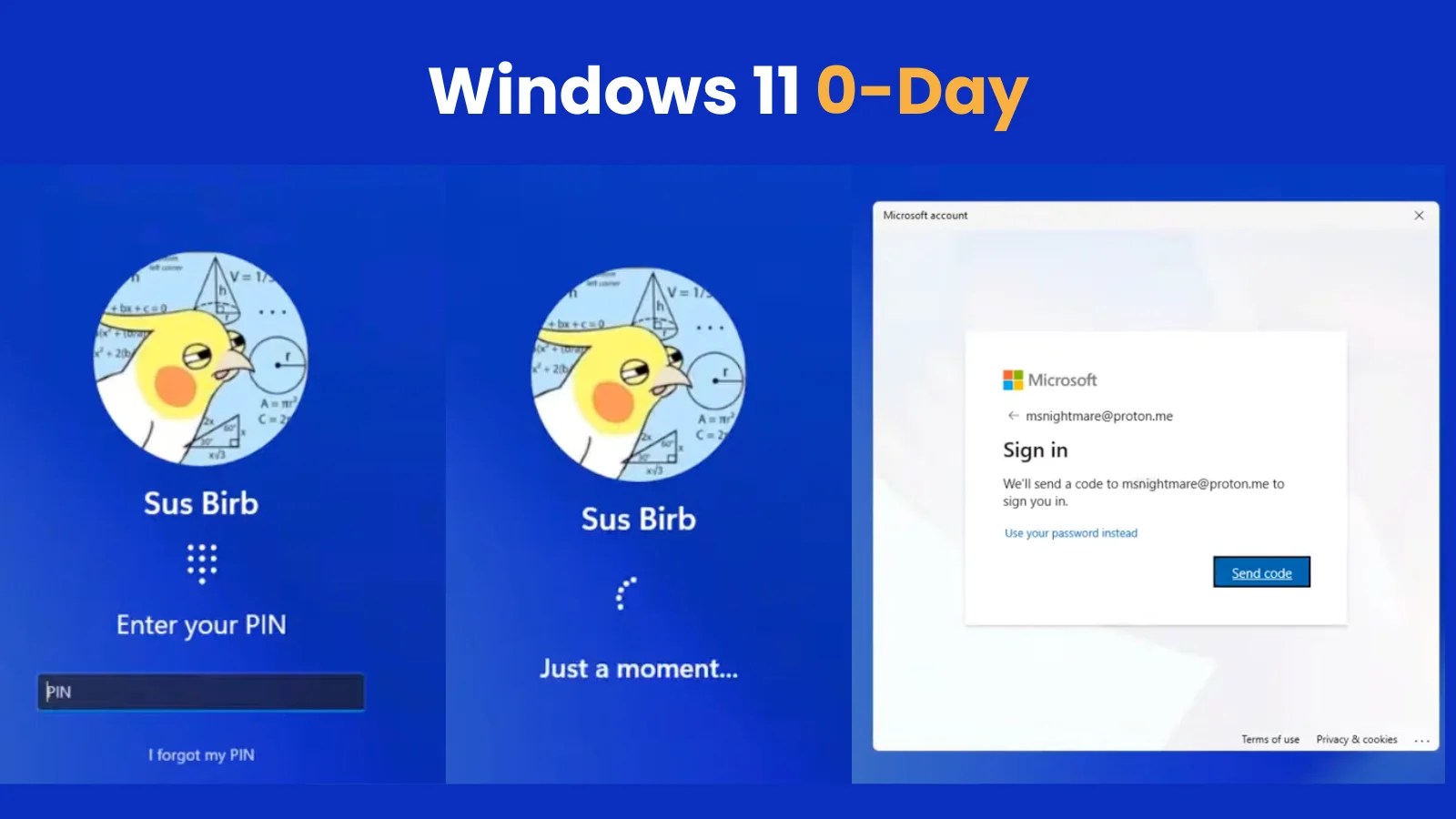
A critical vulnerability in Windows 11, known as FastUnlock, has been uncovered, allowing individuals with physical access to bypass the lock screen and execute code without logging in. This flaw impacts the Narrator feature, a built-in screen reader, posing a risk to systems even when BitLocker encryption is active.
Understanding the FastUnlock Vulnerability
FastUnlock, discovered by a researcher using the alias Nightmare Eclipse, was tested on Windows 11 version 26H2 with security updates as recent as November 2026. The researcher highlighted that the flaw could be exploited in about five minutes under specific conditions, although this was not an average time across various Windows devices.
The vulnerability necessitates physical access to the device and at least one online Microsoft account. It manipulates the account recovery screen, allowing Narrator to interact with unauthorized interfaces. The issue arises not from the availability of a screen reader at the lock screen but from its ability to access controls beyond it.
Implications for System Security
The security community has previously dealt with similar issues, such as CVE-2026-97015 and CVE-2026-119832, which were addressed in previous updates. However, the FastUnlock flaw remains unresolved as of November 20, with no official Microsoft advisory or fix released.
Tests conducted by ThreatLocker revealed that FastUnlock allows code execution under the WsiAccount, a non-administrative account used at the lock screen. This does not permit full control over the device or access to all files, highlighting the vulnerability’s limitations.
Protective Measures and Future Outlook
BitLocker provides protection while data is at rest, but once the system is active, access is governed by lock screen and account permissions. FastUnlock targets this active state, differing from previous vulnerabilities like YellowKey, which attacked BitLocker before Windows fully loaded.
Microsoft advises pairing devices with a trusted platform module (TPM) and a startup PIN for enhanced security against physical access. This does not mitigate the Narrator flaw but helps protect devices that are shut down or hibernated. For portable devices, ensuring they are shut down or properly hibernated is recommended, as sleep mode does not require a startup PIN.
While no attacks using FastUnlock have been publicly reported, organizations should remain vigilant and restrict physical access to vulnerable devices. Security teams should stay updated on potential advisories from Microsoft concerning this issue.