Skip to content
  • Home
  • Cyber Map
  • About Us – Contact
  • Disclaimer
  • Terms and Rules
  • Privacy Policy
Cyber Web Spider Blog – News

Cyber Web Spider Blog – News

Globe Threat Map provides a real-time, interactive 3D visualization of global cyber threats. Monitor DDoS attacks, malware, and hacking attempts with geo-located arcs on a rotating globe. Stay informed with live logs and archive stats.

  • Home
  • Cyber Map
  • Cyber Security News
  • Security Week News
  • The Hacker News
  • How To?
  • Toggle search form
Zerobot Malware Targets Tenda Routers and n8n Platforms

Zerobot Malware Targets Tenda Routers and n8n Platforms

Posted on March 3, 2026 By CWS

A recent surge in malware activity has been identified by cybersecurity experts, revealing a renewed campaign by the Mirai-based botnet known as Zerobot. This campaign is specifically targeting vulnerabilities in Tenda AC1206 routers and the n8n workflow automation platform.

Exploitation of Tenda and n8n Vulnerabilities

Operating under its ninth iteration, zerobotv9, this campaign exploits newly disclosed command injection vulnerabilities to infiltrate exposed networks and devices. Zerobot’s origins trace back to 2022 as a Go-based malware targeting IoT devices. However, its latest version diverges from its predecessor, featuring a smaller, UPX-packed footprint with encrypted strings and a hard-coded command and control (C2) domain.

Research conducted by Akamai has identified active exploitation attempts of these vulnerabilities, captured through their global honeypot network since mid-January 2026. These attempts mark the first confirmed exploitation of these specific CVEs since their disclosure in 2025.

Details of the Vulnerabilities

The key vulnerabilities exploited include CVE-2025-7544, a critical stack-based buffer overflow in Tenda AC1206 devices, and CVE-2025-68613, a critical RCE flaw in n8n’s workflow system. The Tenda vulnerability allows for denial-of-service and remote code execution through improper handling of the deviceList parameter. Meanwhile, the n8n flaw exploits insufficient sandboxing, enabling attackers to execute arbitrary code and access sensitive data.

This campaign’s focus on n8n, alongside traditional IoT hardware, raises significant concerns due to n8n’s role in connecting databases and managing critical systems. A successful breach could facilitate lateral movement within an organization’s infrastructure.

Infection and Defense Strategies

Upon identifying a vulnerable device, Zerobot executes its exploit, compelling the device to download a malicious shell script, tol.sh, from a specific IP address. This script installs the main Zerobot payload, which is compatible with various CPU architectures, reflecting Mirai’s design for broad device compatibility.

The malware employs user-agent strings to evade detection and supports advanced attack methods, surpassing the capabilities of its earlier variants. Additionally, Zerobot targets other known vulnerabilities, employing fallback connection techniques to maintain resilience.

Organizations are urged to update Tenda firmware and n8n versions to mitigate risks. Network defenses should monitor and block identified malicious IPs and the C2 domain, while employing detection rules from Akamai for proactive threat management.

For continuous updates on this evolving threat, follow our coverage and ensure your network defenses are robust against such sophisticated cyber threats.


Cyber Security News Tags:Akamai, Botnet, command injection, CVE-2025-68613, CVE-2025-7544, cyber threat, Cybersecurity, IoT devices, Malware, Mirai-based malware, n8n vulnerabilities, network protection, network security, Tenda routers, Zerobot

Post navigation

Previous Post: Microsoft Unveils OAuth-Based Phishing Threat
Next Post: Archipelo and Checkmarx Forge AppSec Alliance

Related Posts

AWS Middle East Outage Disrupts EC2 and Networking Services AWS Middle East Outage Disrupts EC2 and Networking Services Cyber Security News
IPFire Web-Based Firewall Interface Allows Authenticated Administrator to Inject Persistent JavaScript IPFire Web-Based Firewall Interface Allows Authenticated Administrator to Inject Persistent JavaScript Cyber Security News
Indian Authorities Dismantled Cybercriminals That Impersonate as Microsoft Tech Support Indian Authorities Dismantled Cybercriminals That Impersonate as Microsoft Tech Support Cyber Security News
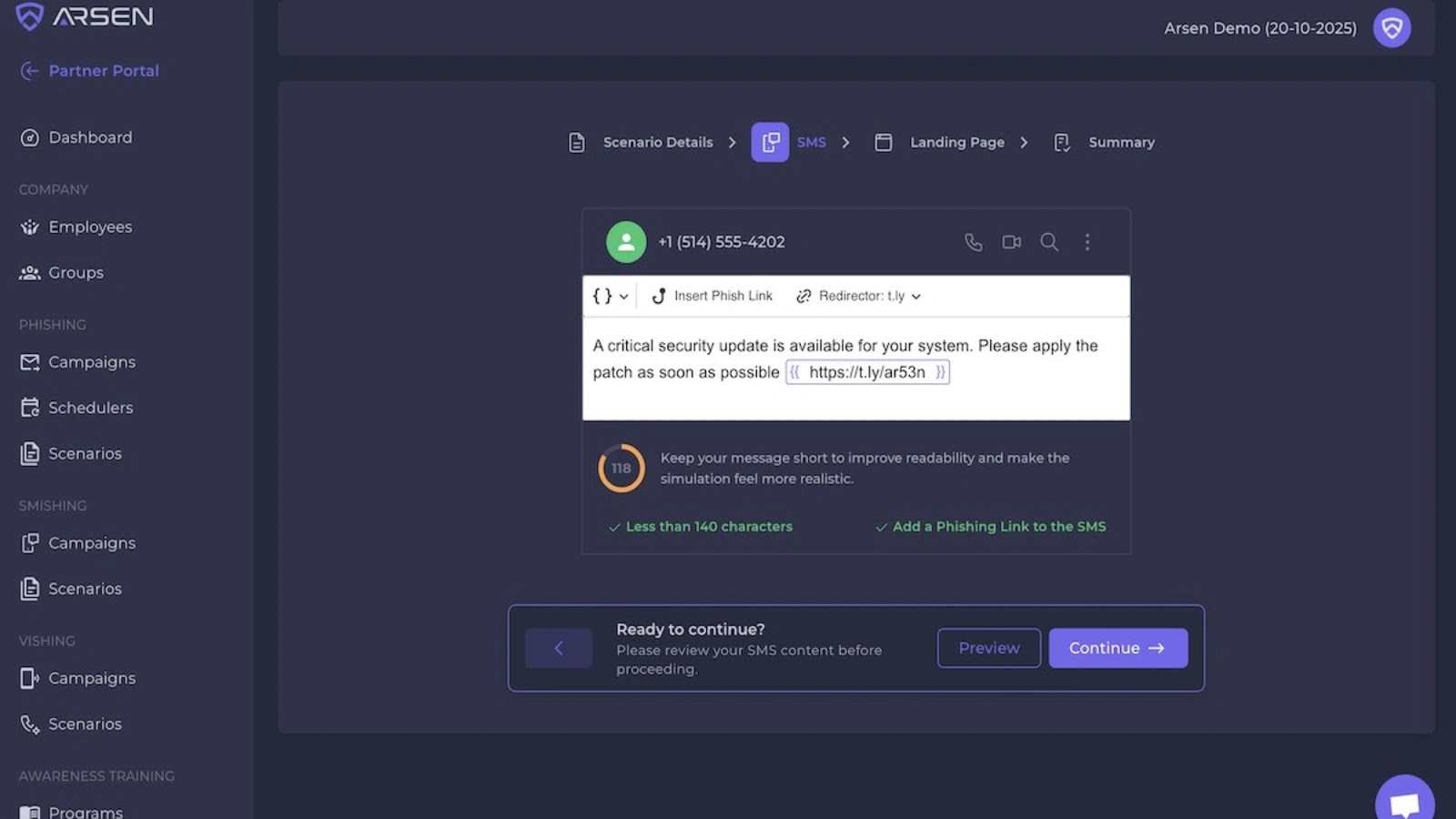
Arsen Launches Smishing Simulation to Help Companies Defend Against Mobile Phishing Threats Arsen Launches Smishing Simulation to Help Companies Defend Against Mobile Phishing Threats Cyber Security News
20 Best Network Monitoring Tools in 2025 20 Best Network Monitoring Tools in 2025 Cyber Security News
Malware Defense 101 – Identifying and Removing Modern Threats Malware Defense 101 – Identifying and Removing Modern Threats Cyber Security News

Categories

  • Cyber Security News
  • How To?
  • Security Week News
  • The Hacker News

Recent Posts

  • Archipelo and Checkmarx Forge AppSec Alliance
  • Zerobot Malware Targets Tenda Routers and n8n Platforms
  • Microsoft Unveils OAuth-Based Phishing Threat
  • LexisNexis Breach Exposes Data from AWS Servers
  • SloppyLemming Espionage Targets South Asia with New Tools

Pages

  • About Us – Contact
  • Disclaimer
  • Privacy Policy
  • Terms and Rules

Archives

  • March 2026
  • February 2026
  • January 2026
  • December 2025
  • November 2025
  • October 2025
  • September 2025
  • August 2025
  • July 2025
  • June 2025
  • May 2025

Recent Posts

  • Archipelo and Checkmarx Forge AppSec Alliance
  • Zerobot Malware Targets Tenda Routers and n8n Platforms
  • Microsoft Unveils OAuth-Based Phishing Threat
  • LexisNexis Breach Exposes Data from AWS Servers
  • SloppyLemming Espionage Targets South Asia with New Tools

Pages

  • About Us – Contact
  • Disclaimer
  • Privacy Policy
  • Terms and Rules

Categories

  • Cyber Security News
  • How To?
  • Security Week News
  • The Hacker News