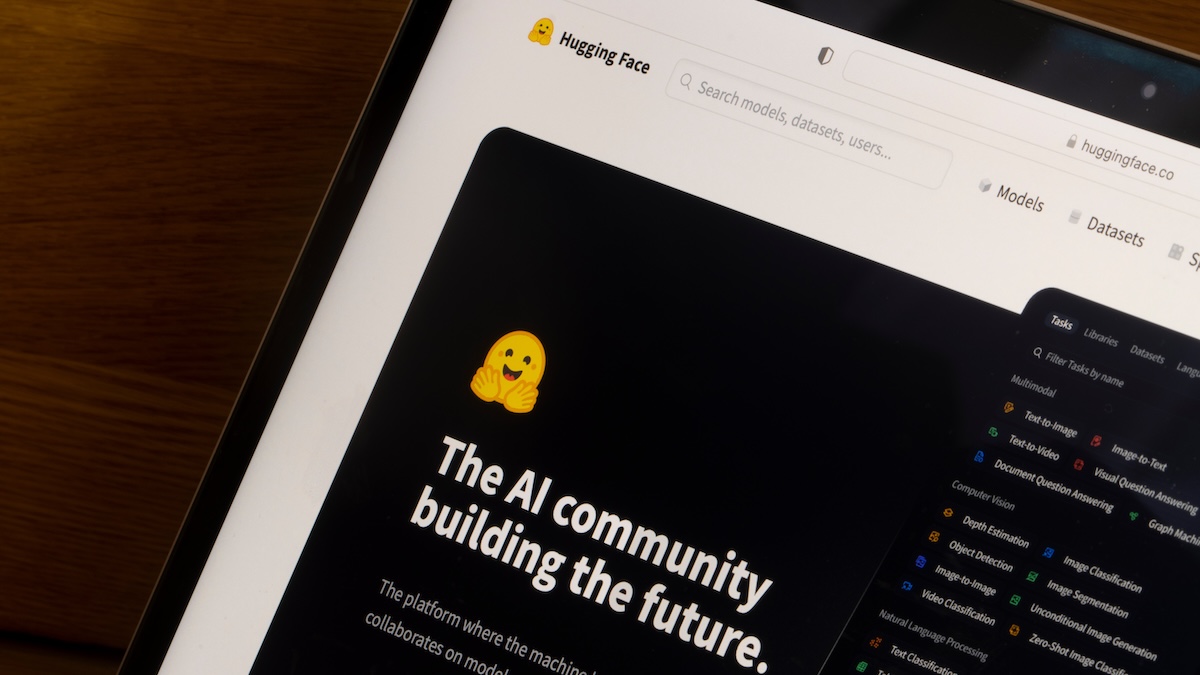
Machine learning platform Hugging Face recently revealed a data breach following a cyberattack executed by an autonomous AI agent. This attack compromised the company’s production infrastructure, leading to unauthorized access to internal datasets and service credentials.
Details of the Security Breach
The breach exploited a data-processing pipeline within Hugging Face as an entry point. Attackers escalated access at the node level and harvested credentials, enabling lateral movement within the system. According to Hugging Face, the attackers utilized a malicious dataset to exploit two code-execution paths, enabling them to execute code on a processing worker.
The cybercriminals employed an autonomous framework based on an agentic security-research harness. This allowed them to carry out numerous actions across temporary sandboxes, using public services to establish self-migrating command-and-control capabilities.
Hugging Face’s Response and Mitigation Efforts
Hugging Face responded promptly, leveraging its own AI technology to counter the attack. The company addressed the compromised dataset code-execution paths, removed the attackers from its infrastructure, and rebuilt the affected nodes. Additionally, it revoked and rotated all compromised credentials.
As a precautionary measure, Hugging Face also broadly revoked secrets, implemented stricter admission controls, and enhanced its detection and alerting capabilities. The incident was reported to law enforcement, and the company is conducting an investigation with external cybersecurity forensic experts.
Ongoing Investigation and Future Implications
Hugging Face stated that there is no evidence of tampering with public-facing models, datasets, or Spaces. The company verified its software supply chain, ensuring the integrity of container images and published packages. Throughout the breach, over 17,000 events were logged, and agentic analysis was used to reconstruct the incident timeline.
The attack highlights the emerging threat of autonomous, AI-driven offensive tools in cybersecurity. These tools reduce the cost and increase the efficiency of multi-stage campaigns, posing significant challenges for online platform defense. Hugging Face emphasizes the importance of treating data and model surfaces as primary attack targets and using AI defensively to stay ahead of such threats.
This incident underscores the need for continuous advancements in cybersecurity measures to protect against increasingly sophisticated AI-driven attacks.