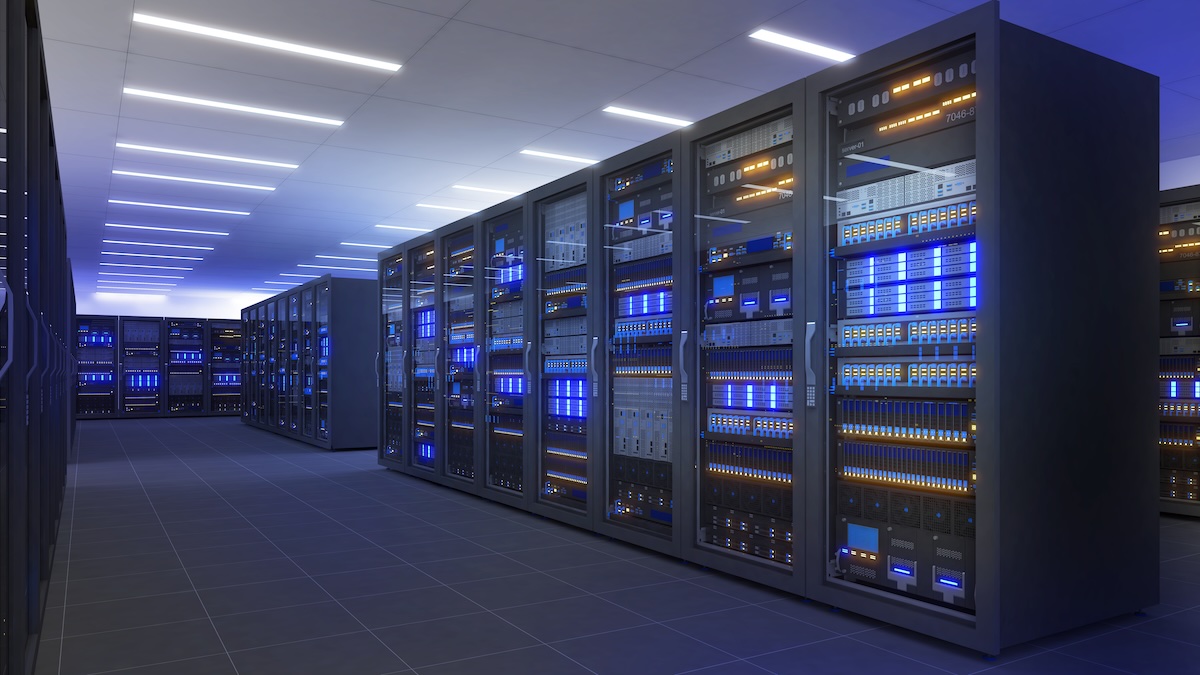
The surge in artificial intelligence (AI) technology is driving unprecedented growth in data center development. However, these AI data centers are exceptionally energy-demanding and necessitate specialized infrastructure. The rapid construction pace is outstripping security implementations, presenting significant risks.
The Growing Demand for AI Data Centers
AI data centers are emerging to meet the growing demand for computational power. Unlike traditional data facilities, AI data centers must handle vast parallel processing tasks and serve a broader, often less predictable clientele. This shift requires a reevaluation of how these centers are constructed and secured, as they differ fundamentally from their predecessors.
Traditional data centers host data processing for known clients, while AI centers operate as massive compute hubs, demanding robust security measures. The challenge lies in the speed of development, which may overlook the distinct differences in security needs between traditional and AI-specific facilities.
Security Concerns Outlined by Lava Labs
According to a report by Lava Labs titled ‘The Top 10 Data Center and AI Infrastructure Security Risks,’ AI data centers are being built rapidly without adequate security. The report highlights that while risks between traditional and AI centers are similar, AI centers’ vulnerabilities are more exploitable and extensive.
Lava Labs identifies ten primary security risks, named ‘Forge,’ which emphasize the need to strengthen the foundational security of these centers. These risks include firmware and hardware integrity issues, network vulnerabilities, and insecure multi-tenant isolation, among others.
Understanding and Mitigating AI-Specific Risks
The risks identified by Lava Labs are ranked by severity. The most critical involve firmware and hardware integrity and supply chain compromises, which are difficult to detect and can impact the entire data center. Conversely, some risks are easier to manage, such as operational infrastructure vulnerabilities.
The analysis stresses the need for a new approach to AI data center security, highlighting that existing models are insufficient. The report also offers practical mitigation strategies and attack scenario examples to better secure these facilities.
Conclusion: A Call for Security Innovation in AI Data Centers
AI data centers represent a crucial evolution in technology infrastructure, but their rapid development necessitates a reimagining of security protocols. Lava Labs’ report serves as a crucial resource for understanding and addressing the unique challenges of AI data centers.
The imperative is clear: as the reliance on AI grows, so too must the security measures that protect these vital centers. Stakeholders are encouraged to prioritize security innovations to safeguard these essential assets.