Researchers have identified significant security weaknesses in Bluetooth-enabled brake controllers manufactured by Elecbrakes, an Australian company. These vulnerabilities could potentially allow hackers to manipulate trailer brakes, posing serious safety risks.
Details of Affected Products
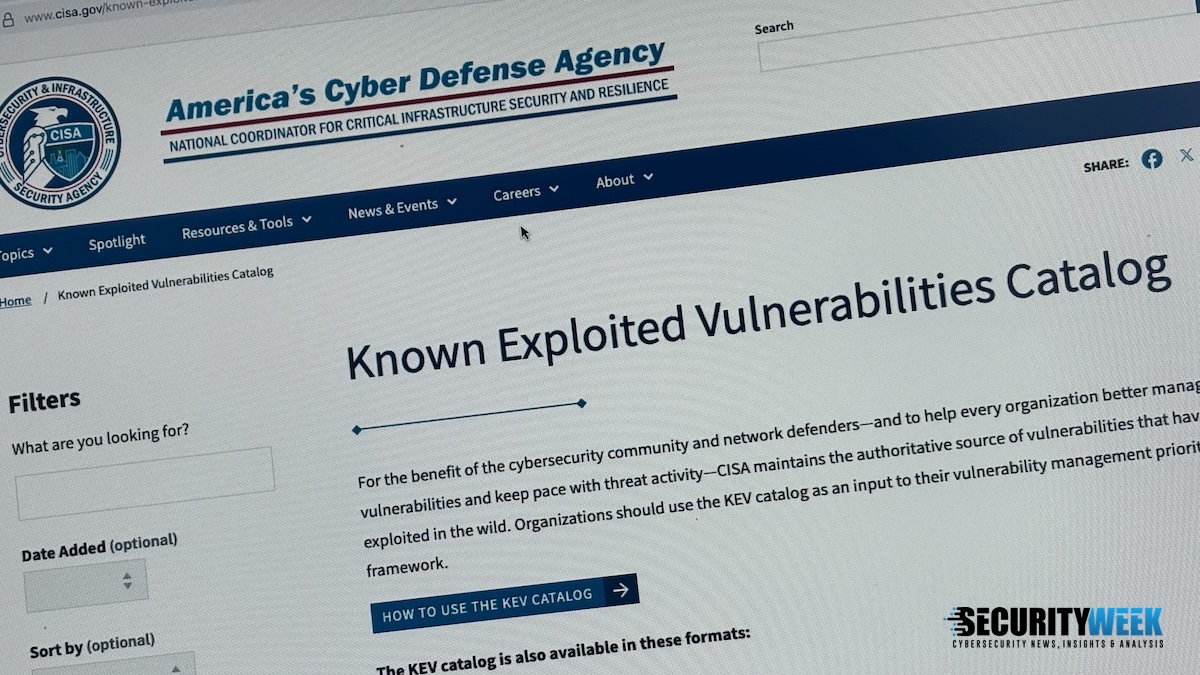
The brake controllers impacted are the EB2, VM1, and ELBC 2000 models, predominantly used in Australia and New Zealand. The Cybersecurity and Infrastructure Security Agency (CISA) recently issued a warning regarding these vulnerabilities.
The controllers are designed to manage the braking force on trailers. The EB2 device is attached to the trailer, while the VM1 is located on the towing vehicle. Users can control these systems remotely via a smartphone app or a dedicated remote.
Vulnerabilities Identified
Australian IT and cybersecurity firm Element Digital, supported by AI, uncovered three specific vulnerabilities in these devices. Two of these are critical, involving missing authentication and inadequate replay-attack protection. These flaws could allow an attacker within Bluetooth range (up to 328 feet) to interfere with the braking system using a phone or laptop, without needing the owner’s interaction.
A third, medium-severity issue relates to the firmware update mechanism, which could theoretically allow unauthorized changes, potentially compromising braking and safety functions. However, researchers did not test installing malicious firmware during their study.
Response and Mitigation
Elecbrakes was informed of these findings in May and responded by releasing firmware updates for the EB2 and VM1 models in July. These updates prevent remote access without initial device pairing, requiring physical access.
The vendor is still developing a solution for the older ELBC 2000 model. They advise users to keep the controller constantly connected to their smartphone or remote while in use. To date, there is no evidence of these vulnerabilities being exploited maliciously.
Elecbrakes has alerted approximately 40,000 app users to these updates, with installation completed on 60-70% of active controllers. Despite the rapid patch deployment, researchers criticized the company for the delay in disclosure and the initial oversight regarding the ELBC 2000 model.
Conclusion
These vulnerabilities highlight the critical importance of cybersecurity in vehicle safety systems. While Elecbrakes has taken steps to address these issues, ongoing vigilance is necessary to ensure the safety and security of trailer braking systems.