Skip to content
  • Home
  • Cyber Map
  • About Us – Contact
  • Disclaimer
  • Terms and Rules
  • Privacy Policy
Cyber Web Spider Blog – News

Cyber Web Spider Blog – News

Globe Threat Map provides a real-time, interactive 3D visualization of global cyber threats. Monitor DDoS attacks, malware, and hacking attempts with geo-located arcs on a rotating globe. Stay informed with live logs and archive stats.

  • Home
  • Cyber Map
  • Cyber Security News
  • Security Week News
  • The Hacker News
  • How To?
  • Toggle search form
China’s Tianfu Cup Resumes Amid Heightened Secrecy

China’s Tianfu Cup Resumes Amid Heightened Secrecy

Posted on February 13, 2026 By CWS

China’s prominent hacking competition, the Tianfu Cup, made its much-anticipated return in 2026 following a two-year break. This event, now under the auspices of the government, has become notably more confidential. Scheduled for January 29-30, the competition was orchestrated by the Ministry of Public Security (MPS), marking a shift from its previous structure.

Background of the Tianfu Cup

Initially established as an alternative to the globally recognized Pwn2Own competition, the Tianfu Cup has historically attracted attention for its generous payouts. In 2021, the event awarded $1.9 million for exploits targeting a range of technology, including Windows and iOS. However, in recent years, its focus has narrowed to domestic products from companies like Huawei and Xiaomi, with details about outcomes being sparse.

Targets and Techniques

This year’s competition included an extensive list of targets, encompassing popular smartphones such as the iPhone 17 and Samsung Galaxy S24 Ultra, as well as operating systems like Windows 11 and Ubuntu. Participants were challenged to achieve significant security breaches, including remote code execution and privilege escalation. Cloud platforms and cybersecurity solutions were also fair game, with a focus on accessing and controlling host systems.

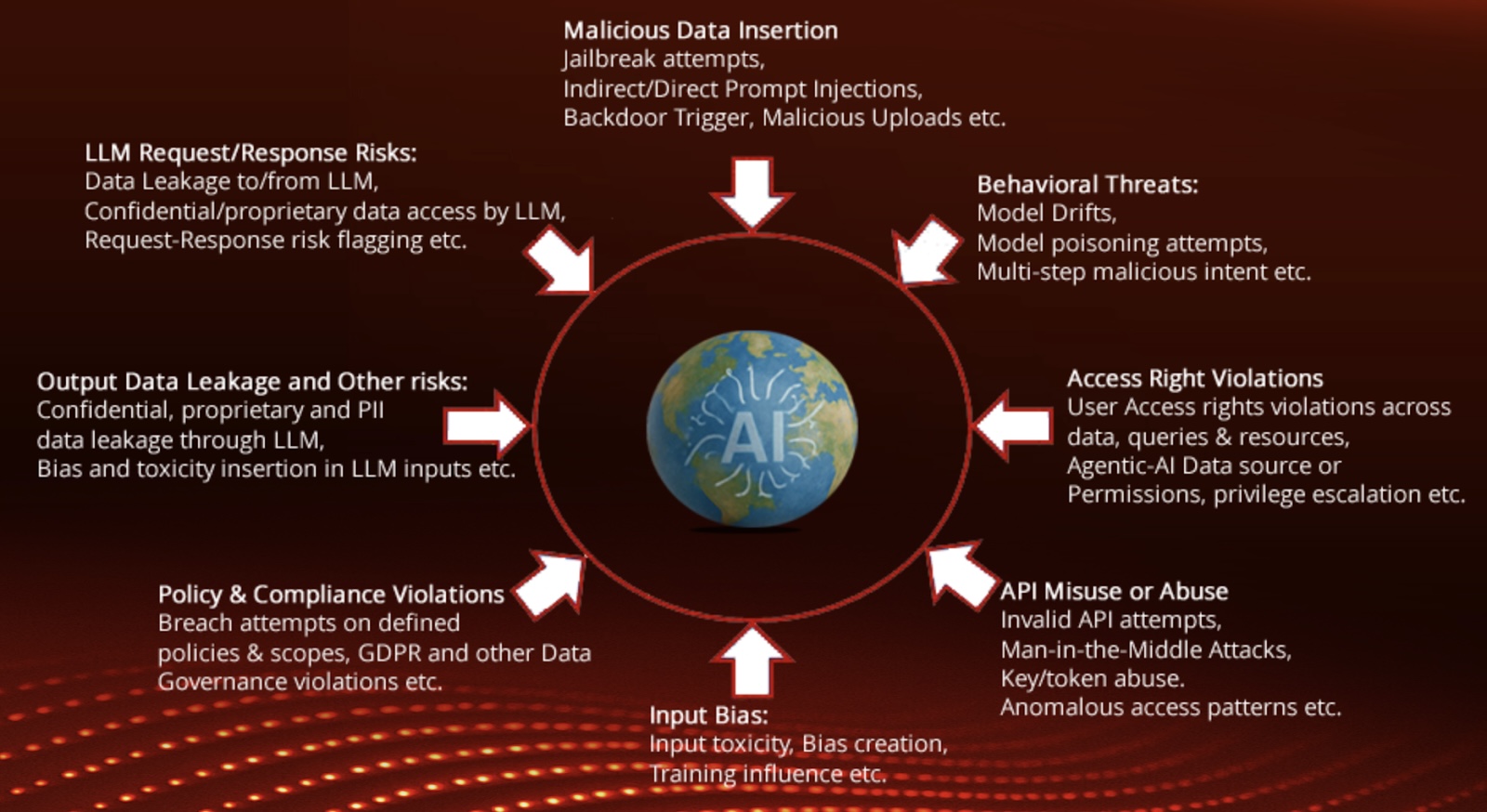
In addition to traditional hacking targets, the 2026 Tianfu Cup introduced an AI category, which tasked competitors with exploiting AI systems like OpenLLM and LangChain. This reflects a broader trend in cybersecurity where artificial intelligence is both a tool and a target in the field.

Regulations and Implications

Although the prize pool was reduced to approximately $140,000, the implications of the competition’s findings remain significant. China’s regulatory framework mandates that any discovered vulnerabilities be reported directly to the government rather than disclosed publicly. This policy has previously been used to bolster the nation’s cyber capabilities, potentially at the expense of global security transparency.

According to cybersecurity firm Natto Thoughts, the competition’s lack of transparency and government involvement suggests a strategic focus on retaining vulnerabilities for state use. This approach raises concerns about the potential for these exploits to be used in cyber espionage, following patterns observed in earlier competitions.

As the Tianfu Cup continues to evolve, its role in the international cybersecurity landscape remains a topic of critical interest, particularly given China’s growing influence in technology and cybersecurity.


Security Week News Tags:AI in hacking, China, cyber espionage, Cybersecurity, government control, hacking contest, security threats, Tianfu Cup, vulnerability disclosure, zero-day vulnerabilities

Post navigation

Previous Post: CISA Highlights Notepad++ Vulnerability Amid Active Exploits
Next Post: Chrome 145 Fixes Critical Browser Vulnerabilities

Related Posts

React2Shell Vulnerability Sparks 1.4 Million Exploit Attempts React2Shell Vulnerability Sparks 1.4 Million Exploit Attempts Security Week News
.5 Million Offered in New Cloud Hacking Competition $4.5 Million Offered in New Cloud Hacking Competition Security Week News
Ransomware Group Claims Attack on Beer Giant Asahi Ransomware Group Claims Attack on Beer Giant Asahi Security Week News
In Other News: €1.2B GDPR Fines, Net-NTLMv1 Rainbow Tables, Rockwell Security Notice In Other News: €1.2B GDPR Fines, Net-NTLMv1 Rainbow Tables, Rockwell Security Notice Security Week News
Coinbase Rejects M Ransom After Rogue Contractors Bribed to Leak Customer Data Coinbase Rejects $20M Ransom After Rogue Contractors Bribed to Leak Customer Data Security Week News
Palo Alto Networks to Acquire Koi for Enhanced AI Security Palo Alto Networks to Acquire Koi for Enhanced AI Security Security Week News

Categories

  • Cyber Security News
  • How To?
  • Security Week News
  • The Hacker News

Recent Posts

  • Google Patches 79 Chrome Security Flaws, 14 Critical
  • Cisco Addresses Sixth SD-WAN Zero-Day Exploit of 2026
  • New Exploit Targets On-Prem Microsoft Exchange Servers
  • Critical Cisco Vulnerability Added to CISA’s Exploited List
  • Hackers Launch $1,000 Contest for Open-Source Attacks

Pages

  • About Us – Contact
  • Disclaimer
  • Privacy Policy
  • Terms and Rules

Archives

  • May 2026
  • April 2026
  • March 2026
  • February 2026
  • January 2026
  • December 2025
  • November 2025
  • October 2025
  • September 2025
  • August 2025
  • July 2025
  • June 2025
  • May 2025

Recent Posts

  • Google Patches 79 Chrome Security Flaws, 14 Critical
  • Cisco Addresses Sixth SD-WAN Zero-Day Exploit of 2026
  • New Exploit Targets On-Prem Microsoft Exchange Servers
  • Critical Cisco Vulnerability Added to CISA’s Exploited List
  • Hackers Launch $1,000 Contest for Open-Source Attacks

Pages

  • About Us – Contact
  • Disclaimer
  • Privacy Policy
  • Terms and Rules

Categories

  • Cyber Security News
  • How To?
  • Security Week News
  • The Hacker News

Copyright © 2026 Cyber Web Spider Blog – News.

Powered by PressBook Masonry Dark