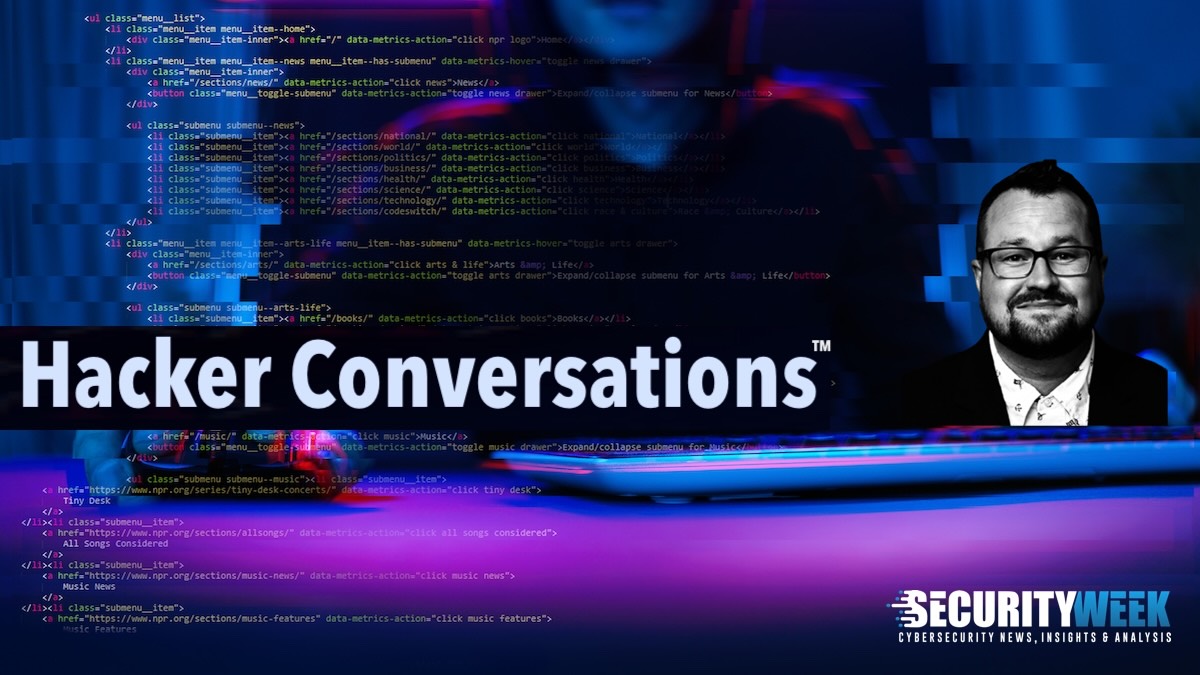
Chris Thompson, a pivotal figure in the cybersecurity landscape, has charted a unique path from a teenage hacker to a leading cybersecurity expert. His journey, marked by a fascination with hacking that began in high school, led him to establish significant entities like IBM’s X-Force Red and RemoteThreat. As the co-founder and CEO of RemoteThreat, Thompson plays a crucial role in utilizing artificial intelligence to combat cyber threats.
Early Beginnings and Career Shift
Thompson’s foray into hacking was initially influenced by a personal relationship during his high school years. His interest in bypassing software restrictions, coupled with a rebellious nature, set the stage for a career in hacking. However, this rebellious spirit evolved into a professional pursuit when he decided to assist game server companies in enhancing their security, a move that would shape his future endeavors.
By the age of 18, Thompson had already secured contracts with major organizations like EA, showcasing his ability to transition from a security breaker to a security enabler. This early success laid the groundwork for his future ventures in cybersecurity.
Founding RemoteThreat and Embracing AI
In 2025, Thompson co-founded RemoteThreat, a company dedicated to using AI to address the growing threats posed by malicious actors. His work at RemoteThreat reflects his commitment to leveraging technology to keep pace with evolving cyber threats. Thompson’s leadership in this area highlights the importance of AI in both offensive and defensive cybersecurity strategies.
The Offensive AI Conference, which Thompson organizes, underscores his dedication to exploring the dual nature of AI as both a tool and a threat in the cybersecurity domain. His efforts aim to foster a deeper understanding of AI’s role in modern cybersecurity.
Perspectives on Education and Neurodiversity
Thompson’s career trajectory challenges conventional views on education in the tech industry. Despite obtaining a degree later in his career, he emphasizes practical skills and domain expertise over formal qualifications. His hiring practices at X-Force Red reflect this philosophy, focusing on candidates’ ability to demonstrate competence and collaboration.
Thompson’s openness about his ADHD and his work with neurodivergent individuals highlights the unique strengths these individuals bring to the cybersecurity field. He views neurodivergence as a potential asset, enabling a deeper level of focus and problem-solving ability that can be particularly beneficial in hacking and cybersecurity.
The Future of Cybersecurity
As cybersecurity becomes increasingly complex, Thompson’s insights into the role of AI and neurodiversity offer valuable perspectives on the industry’s future. His work with RemoteThreat and participation in initiatives like the Black Hat Review Board emphasize his commitment to staying at the forefront of cybersecurity innovation.
Thompson’s career exemplifies the critical need for innovative approaches to cybersecurity, especially in an era where AI plays a central role in both threats and defenses. His journey from a young hacker to a cybersecurity leader underscores the potential for transformation within the industry and the importance of adaptive strategies in the face of evolving challenges.