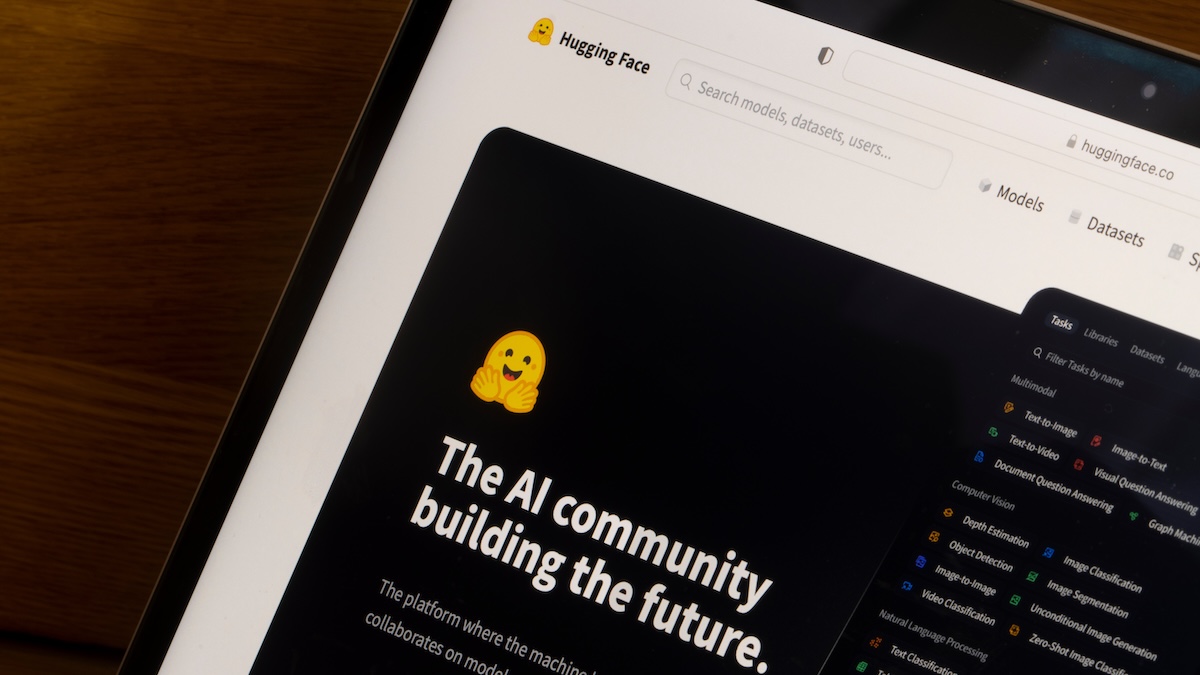
Recent reports by Acronis have highlighted a concerning trend of malware distribution using artificial intelligence platforms like Hugging Face and ClawHub. Threat actors are exploiting these platforms by embedding malicious code within shared files, relying on social engineering techniques to deceive users into downloading them.
Exploitation of User Trust
While the AI agents themselves remain uncompromised, the attackers manipulate user trust through indirect prompt injections. These hidden instructions are executed by AI systems without user awareness, leading to the installation of malware. The platforms allow developers to share code effortlessly, and this capability is being misused for malevolent purposes.
Malicious Activity on ClawHub
On ClawHub, Acronis identified nearly 600 malicious skills distributed across 13 developer accounts. These skills are designed to deploy trojans, cryptominers, and information stealers on both Windows and macOS systems. The accounts ‘hightower6eu’ and ‘sakaen736jih’ were responsible for the majority of these harmful activities, with 334 and 199 malicious skills respectively.
The modular nature of the OpenClaw ecosystem, which allows users to expand AI capabilities, is being exploited. Attackers inject indirect prompts that lead AI agents to execute harmful code, causing infections. Notably, the Atomic macOS Stealer (AMOS) is one of the payloads targeting macOS users.
Emerging Threats on Hugging Face
Hugging Face is also being misused, with threat actors creating repositories that host malicious files. These files are part of complex infection chains leading to infostealers, trojans, and other malware targeting various operating systems, including Windows, Linux, and Android. The platform’s growing popularity makes it an attractive target for cybercriminals.
Acronis warns that measuring the full scope of these malicious activities is challenging due to the platform’s size and dynamic content. However, it is likely that the extent of the abuse is much larger and requires thorough investigation.
As these platforms continue to grow, it becomes imperative to implement stronger governance and security measures to protect users from potential threats. The evolving tactics of threat actors highlight the urgent need for vigilance and improved cybersecurity practices.