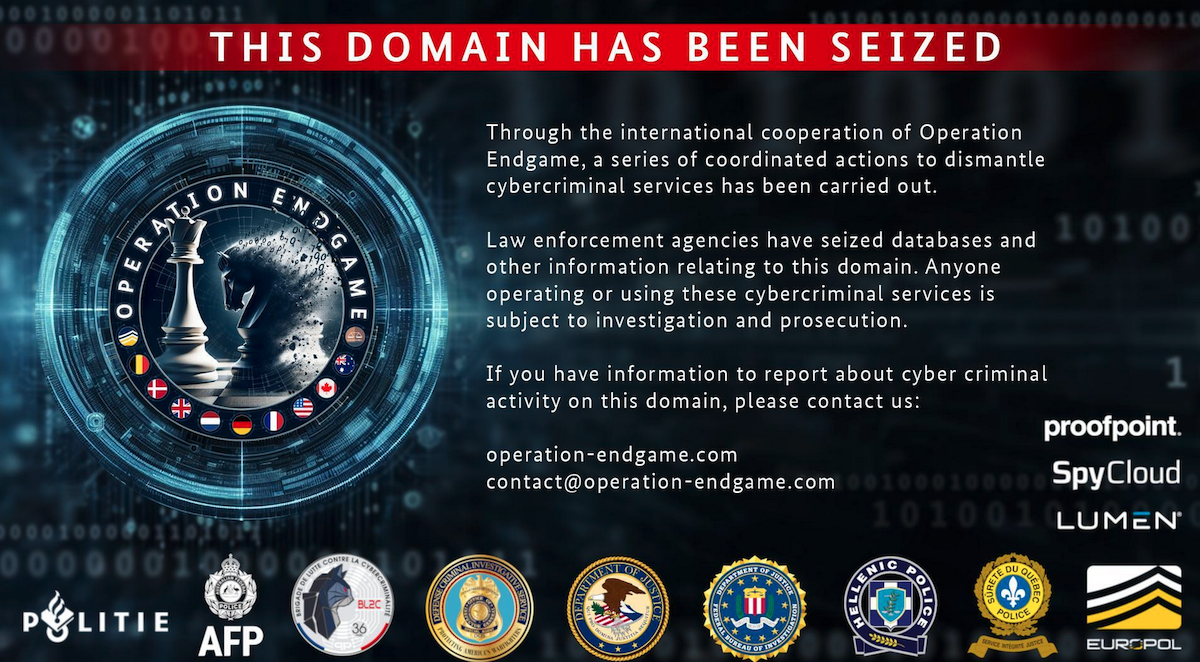
Russian cybercriminal Ilya Angelov, also known by his online aliases ‘Milan’ and ‘Okart’, has been sentenced to a two-year term in federal prison. The U.S. Department of Justice (DOJ) announced this decision, highlighting Angelov’s involvement in managing a botnet used for ransomware attacks.
Background on the Cybercrime Group
Angelov was a key member of a cybercrime organization identified by the FBI as Mario Kart, with the cybersecurity community referring to it as TA-551, Shathak, Gold Cabin, among other names. The group was active between 2017 and 2021, during which time they developed a botnet by spreading malware through spam emails.
The compromised systems were then sold as access points for ransomware deployment, enabling the group to earn substantial sums from their illicit activities. The DOJ indicated that over 70 U.S. companies were victimized by these ransomware attacks, resulting in $14 million in ransom payments.
Details of the Charges and Sentencing
Court documents reveal that Angelov has been in custody since 2023. He pleaded guilty to his involvement in the cybercrime operations, leading to his sentencing. Apart from the 24-month prison term, Angelov has been ordered to pay a $100,000 fine and a $1.6 million money judgment. This judgment allows the government to confiscate assets obtained from his criminal endeavors.
The sentencing of Angelov is part of a broader crackdown on Russian cybercriminals by U.S. authorities. Recently, another Russian national, Aleksei Volkov, was sentenced to 81 months for similar ransomware activities.
Impact and Future Implications
This sentencing underscores the ongoing global efforts to combat cybercrime and ransomware attacks. The DOJ’s actions highlight the significant legal consequences for those involved in such criminal activities. As cyber threats continue to evolve, international collaboration and stringent law enforcement measures remain crucial in tackling these challenges.
The case of Ilya Angelov serves as a stark reminder to cybercriminals worldwide of the potential repercussions they face. Authorities are increasingly vigilant and committed to bringing those responsible for cyber threats to justice, aiming to safeguard digital infrastructures globally.