A critical vulnerability in VMware Aria Operations, previously known as vRealize Operations, has been actively exploited, as announced by the Cybersecurity and Infrastructure Security Agency (CISA) on Tuesday. This vulnerability, noted as CVE-2026-22719, poses a significant risk due to its ability to allow command injections without requiring authentication.
Details of the Vulnerability
Identified as a high-severity issue, CVE-2026-22719 enables attackers to execute arbitrary commands, potentially leading to remote code execution during the support-assisted product migration phase in VMware Aria Operations. In an advisory issued on February 24, Broadcom highlighted the urgency of the situation and released patches to mitigate the flaw.
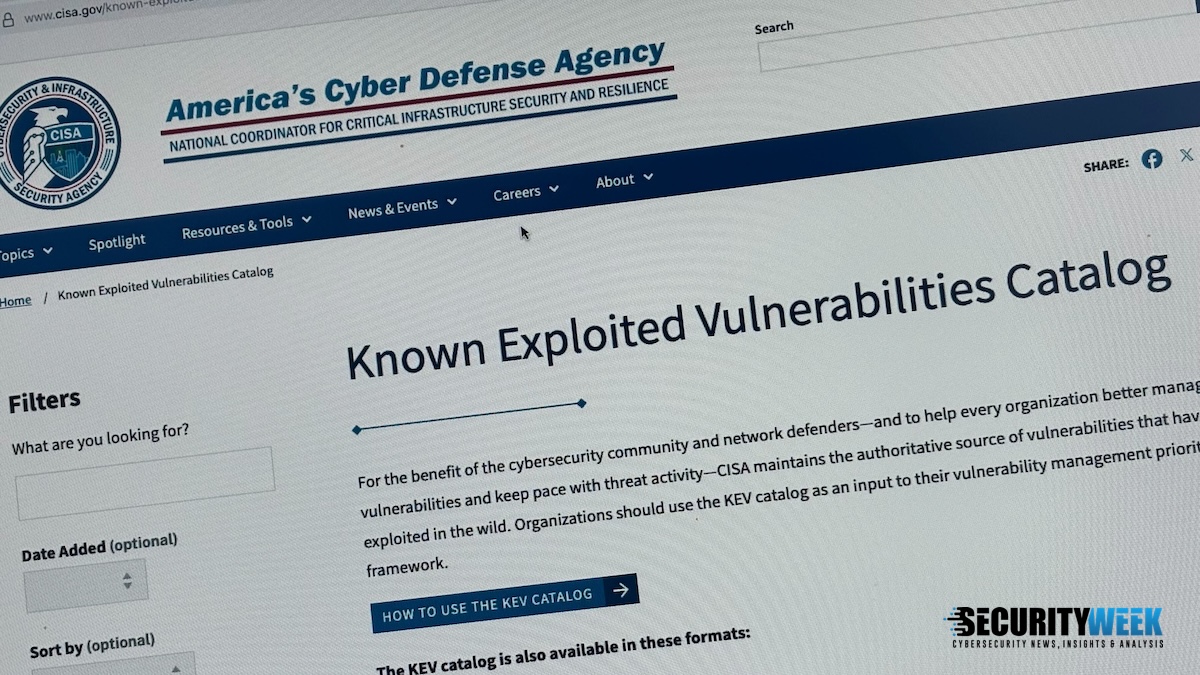
Following CISA’s update, the vulnerability has been added to its Known Exploited Vulnerabilities (KEV) catalog, with a directive for federal agencies to address the issue by March 24. Despite the clear threat, there is limited public information about specific attacks leveraging this vulnerability.
Uncertain Origins of Exploitation
Broadcom has acknowledged receiving reports of potential exploitation of the CVE-2026-22719 vulnerability. However, the company has been unable to independently verify these claims. It remains uncertain whether CISA, or another source, initially alerted Broadcom to the active exploitation.
Moreover, it is not clear if the exploitation began following the release of a patch, or if the vulnerability was already being exploited as a zero-day. The timing of these attacks raises questions about the sequence of events surrounding the discovery and exploitation of the flaw.
Prompt Response and Industry Implications
Despite the uncertainties, Broadcom’s swift response in updating its security advisories is commendable. Historically, the company has faced criticism for delays in addressing known vulnerabilities. This case marks a positive shift towards more timely communication when potential exploitations emerge.
With the growing focus on cybersecurity, especially in relation to VMware environments, this development underscores the need for continuous vigilance and prompt action in addressing vulnerabilities. Organizations relying on VMware Aria Operations are urged to apply the latest patches and stay informed about ongoing developments.
In conclusion, the active exploitation of the VMware Aria Operations vulnerability highlights the critical importance of proactive cybersecurity measures. As threats continue to evolve, maintaining robust security practices remains essential to safeguarding digital infrastructure.