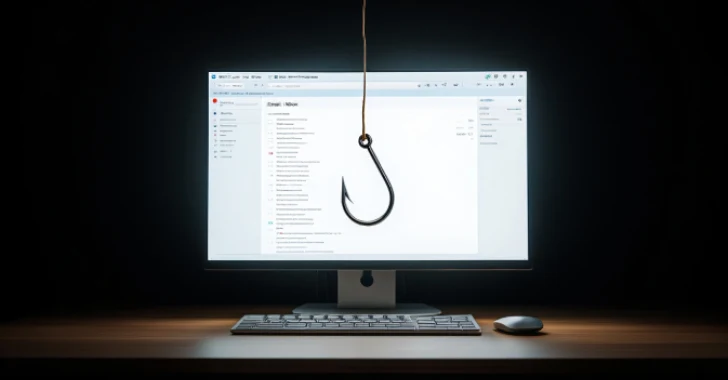
Recent research has unveiled significant security threats posed by CSS vulnerabilities in email services, potentially compromising a range of webmail platforms. These vulnerabilities have been shown to allow content within an email to break free of its boundaries, impacting the webmail interface and leading to possible security breaches.
Webmail Platforms at Risk
Several popular webmail services, including Outlook, Gmail, and Yahoo Mail, have been found susceptible to these CSS-based attack vectors. The attacks can capture user passwords, hijack third-party accounts, leak sensitive tokens, and interfere with AI-driven email tools. Researchers demonstrated these vulnerabilities at the Black Hat USA 2026 conference, showing how they can manipulate the user interface to exploit webmail clients.
For instance, one attack chain involving Outlook and Firefox can mimic a Microsoft login page to capture passwords, while another involving Yahoo Mail and AOL Mail can expose login tokens, allowing unauthorized access to user accounts. These findings highlight the critical need for increased security measures across webmail platforms to protect users from such threats.
Research Findings and Recommendations
The research, conducted by Gareth Heyes from PortSwigger, provides proof-of-concept demonstrations but notes that no malicious exploitation has been reported yet. The study suggests that webmail providers should adopt stringent security protocols, such as isolating HTML emails in sandboxed iframes and imposing strict restrictions on CSS usage, custom attributes, and image requests.
The study also emphasizes the importance of addressing discrepancies between what is sanitized and what browsers ultimately render. This can help prevent untrusted messages from interacting with the trusted interface. Fastmail, for example, has already rectified some issues, but several vulnerabilities remain unpatched in other services.
Implications and Future Outlook
The implications of these vulnerabilities are far-reaching, particularly as email services increasingly integrate AI tools. The research outlines how attackers can exploit these integrations, potentially leading to unauthorized data access. As AI continues to evolve, webmail providers must adapt their security measures to address these emerging threats.
To mitigate these risks, the research suggests adopting robust CSS validation techniques, blocking suspicious selectors, and preventing unauthorized image requests. By implementing these defensive strategies, webmail providers can better protect their users’ data from being compromised by CSS vulnerabilities.
As the landscape of cybersecurity evolves, it is crucial for webmail services to remain vigilant and proactive in addressing these challenges. By prioritizing security and adopting comprehensive preventive measures, they can safeguard user information and maintain trust in their platforms.