Skip to content
  • Home
  • Cyber Map
  • About Us – Contact
  • Disclaimer
  • Terms and Rules
  • Privacy Policy
Cyber Web Spider Blog – News

Cyber Web Spider Blog – News

Globe Threat Map provides a real-time, interactive 3D visualization of global cyber threats. Monitor DDoS attacks, malware, and hacking attempts with geo-located arcs on a rotating globe. Stay informed with live logs and archive stats.

  • Home
  • Cyber Map
  • Cyber Security News
  • Security Week News
  • The Hacker News
  • How To?
  • Toggle search form
LeakNet Ransomware Adopts ClickFix for Attacks

LeakNet Ransomware Adopts ClickFix for Attacks

Posted on March 17, 2026 By CWS

LeakNet, a ransomware group, has introduced the ClickFix tactic for initial access, leveraging compromised websites. This method represents a shift from traditional approaches like using stolen credentials, according to a report by ReliaQuest. ClickFix deceives users into executing malicious commands to resolve non-existent issues, diverging from conventional strategies.

Unique Approach to Initial Access

ClickFix offers significant advantages to LeakNet, including reduced reliance on third-party providers and lower acquisition costs per victim. Compromised websites display fake CAPTCHA verifications, tricking users into executing a ‘msiexec.exe’ command in Windows. This broad approach targets multiple industries, aiming for maximum impact.

LeakNet’s strategic shift from Initial Access Brokers (IABs) to ClickFix highlights a deliberate expansion of their operational capabilities. By using legitimate but compromised websites, the group avoids detectable network signals, enhancing stealth and reach.

Advanced Techniques and Tools

In addition to ClickFix, LeakNet employs a Deno-based loader to execute JavaScript in memory, minimizing on-disk traces and evading detection. The payload fingerprints systems, contacts external servers for further malware stages, and loops to fetch new code. This methodology aligns with their consistent post-compromise strategy.

ReliaQuest also noted a Microsoft Teams-based phishing attempt linked to LeakNet. Although attribution remains unclear, this indicates either LeakNet’s expanding tactics or other actors adopting similar methods. The use of DLL side-loading and PsExec for lateral movement further exemplifies their sophisticated approach.

Impact and Industry Response

LeakNet’s activities emphasize the need for robust cybersecurity measures. Their use of S3 buckets for data exfiltration, mimicking normal cloud traffic, complicates detection efforts. Google’s recent report highlights the persistence of ransomware actors, despite internal conflicts, with several groups consistently targeting victims.

As threat actors adapt to maintain profitability, their focus is shifting towards smaller organizations. This development urges companies to enhance their security defenses and remain vigilant against evolving threats. The resilience of the ransomware ecosystem, despite challenges, underscores the importance of proactive cybersecurity strategies.

The ongoing evolution of ransomware tactics, including ClickFix, reflects the dynamic nature of cyber threats. Organizations must stay informed and prepared to counteract these sophisticated attack vectors effectively.


The Hacker News Tags:ClickFix, cyber attacks, cyber threats, Cybersecurity, data exfiltration, Deno loader, DLL side-loading, industrial targets, LeakNet, Malware, Microsoft Teams phishing, network security, Phishing, Ransomware, ReliaQuest

Post navigation

Previous Post: Critical Kubernetes NFS Driver Flaw Exposes Server Risks
Next Post: Security Flaw in UK Companies House Web Application Exposed

Related Posts

CTEM’s Core: Prioritization and Validation CTEM’s Core: Prioritization and Validation The Hacker News
Researchers Uncover BankBot-YNRK and DeliveryRAT Android Trojans Stealing Financial Data Researchers Uncover BankBot-YNRK and DeliveryRAT Android Trojans Stealing Financial Data The Hacker News
FBI and Europol Disrupt Lumma Stealer Malware Network Linked to 10 Million Infections FBI and Europol Disrupt Lumma Stealer Malware Network Linked to 10 Million Infections The Hacker News
Discover and Control Shadow AI Agents in Your Enterprise Before Hackers Do Discover and Control Shadow AI Agents in Your Enterprise Before Hackers Do The Hacker News
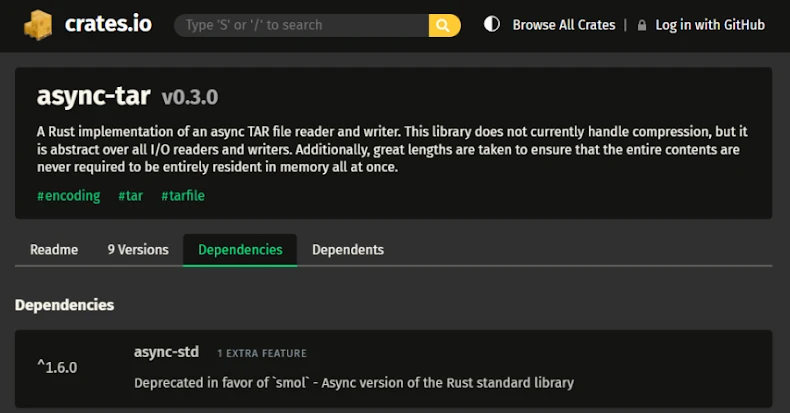
TARmageddon Flaw in Async-Tar Rust Library Could Enable Remote Code Execution TARmageddon Flaw in Async-Tar Rust Library Could Enable Remote Code Execution The Hacker News
New Windows RAT Evades Detection for Weeks Using Corrupted DOS and PE Headers New Windows RAT Evades Detection for Weeks Using Corrupted DOS and PE Headers The Hacker News

Categories

  • Cyber Security News
  • How To?
  • Security Week News
  • The Hacker News

Recent Posts

  • Tech Giants Unite to Tackle Online Scams and Fraud
  • AI Security Concerns in Amazon Bedrock and Other Platforms
  • Enhancing Online Shopping Security for Better Deals
  • Tech Leaders Fund $12.5M for Open Source Security Boost
  • Windows 11 Update Resolves Bluetooth Visibility Bug

Pages

  • About Us – Contact
  • Disclaimer
  • Privacy Policy
  • Terms and Rules

Archives

  • March 2026
  • February 2026
  • January 2026
  • December 2025
  • November 2025
  • October 2025
  • September 2025
  • August 2025
  • July 2025
  • June 2025
  • May 2025

Recent Posts

  • Tech Giants Unite to Tackle Online Scams and Fraud
  • AI Security Concerns in Amazon Bedrock and Other Platforms
  • Enhancing Online Shopping Security for Better Deals
  • Tech Leaders Fund $12.5M for Open Source Security Boost
  • Windows 11 Update Resolves Bluetooth Visibility Bug

Pages

  • About Us – Contact
  • Disclaimer
  • Privacy Policy
  • Terms and Rules

Categories

  • Cyber Security News
  • How To?
  • Security Week News
  • The Hacker News