The Russian hacking group Turla, associated with Russia’s Federal Security Service (FSB), has enhanced its Kazuar backdoor, transforming it into a modular peer-to-peer (P2P) botnet. This adaptation is designed for stealth and long-term access to compromised systems, as outlined by the U.S. Cybersecurity and Infrastructure Security Agency (CISA).
Turla’s Strategic Cyber Activities
Turla, identified by various names including ATG26, Blue Python, and Venomous Bear, is renowned for targeting government, diplomatic, and defense sectors across Europe and Central Asia. Their operations are believed to align with Kremlin objectives, particularly through alliances with groups like Aqua Blizzard. These activities emphasize Turla’s intent to gather intelligence covertly.
The Microsoft Threat Intelligence team reports that Turla’s upgrade of Kazuar aligns with the group’s broader aim of sustaining access for intelligence collection. The reengineering of Kazuar into a modular botnet demonstrates a move towards embedding resilience and stealth directly into their cyber tools.
The Modular Structure of Kazuar
Kazuar, a .NET-based backdoor active since 2017, has evolved from a monolithic framework into a sophisticated modular botnet. This transformation involves three primary components: Kernel, Bridge, and Worker, each serving distinct roles. This modularity facilitates flexible configurations and reduces the botnet’s detectable footprint.
Malware distribution employs droppers like Pelmeni and ShadowLoader to initiate these modules. The Kernel module acts as the coordinator, managing tasks, and maintaining logs. It handles communication with the Bridge and ensures the botnet’s environment is correctly set up for operations.
Operational Dynamics and Data Management
The Bridge module functions as a proxy, linking Kernel modules with the command-and-control (C2) server. The Worker module is tasked with logging keystrokes, tracking tasks, and gathering crucial system information. These modules communicate through Windows Messaging, Mailslot, and named pipes, with the Kernel leader orchestrating tasks via the Bridge.
Kazuar uses a dedicated working directory for staging data across its modules. This setup enables the botnet to separate task execution from data storage and exfiltration, maintaining its operational state and coordinating activities asynchronously while minimizing external interactions.
Through these advancements, Turla continues to enhance its cyber capabilities, posing significant challenges to cybersecurity efforts globally. The evolution of Kazuar underscores the ongoing threat and sophistication of state-sponsored cyber activities, emphasizing the need for advanced defensive measures in the cybersecurity landscape.
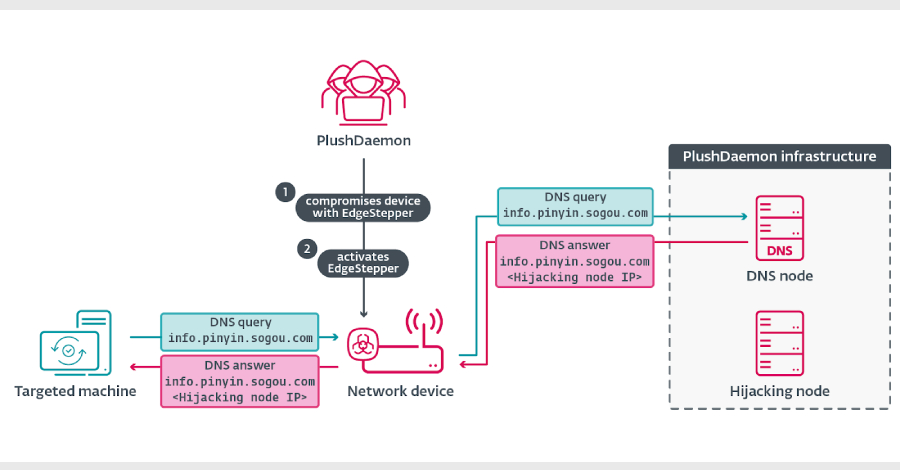


![5 Threats That Reshaped Web Security This Year [2025]](https://cyberwebspider.com/wp-content/uploads/2025/12/reflectiz.jpg "5 Threats That Reshaped Web Security This Year [2025]")