Skip to content
  • Home
  • Cyber Map
  • About Us – Contact
  • Disclaimer
  • Terms and Rules
  • Privacy Policy
Cyber Web Spider Blog – News

Cyber Web Spider Blog – News

Globe Threat Map provides a real-time, interactive 3D visualization of global cyber threats. Monitor DDoS attacks, malware, and hacking attempts with geo-located arcs on a rotating globe. Stay informed with live logs and archive stats.

  • Home
  • Cyber Map
  • Cyber Security News
  • Security Week News
  • The Hacker News
  • How To?
  • Toggle search form
APT28 Exploits MSHTML Zero-Day Vulnerability Before Patch

APT28 Exploits MSHTML Zero-Day Vulnerability Before Patch

Posted on March 2, 2026 By CWS

A critical zero-day vulnerability within Microsoft’s HTML framework, dubbed CVE-2026-21513, has been targeted by the cyber threat group APT28. This flaw enables attackers to bypass security protocols and execute arbitrary code with a high CVSS score of 8.8, posing a significant risk across all Windows versions.

Discovery and Analysis by Akamai

Akamai’s security team identified the exploitation of this vulnerability by APT28, a group linked to the Russian state, prior to Microsoft delivering a patch in February 2026. Utilizing PatchDiff-AI, a multi-agent artificial intelligence system, researchers pinpointed the root cause of the vulnerability.

The vulnerability stems from the ieframe.dll component, specifically within the function _AttemptShellExecuteForHlinkNavigate, which manages hyperlink navigation. Insufficient URL validation permits malicious input to reach code paths that invoke the ShellExecuteExW function, allowing unauthorized execution of both local and remote resources.

APT28’s Exploit Tactics

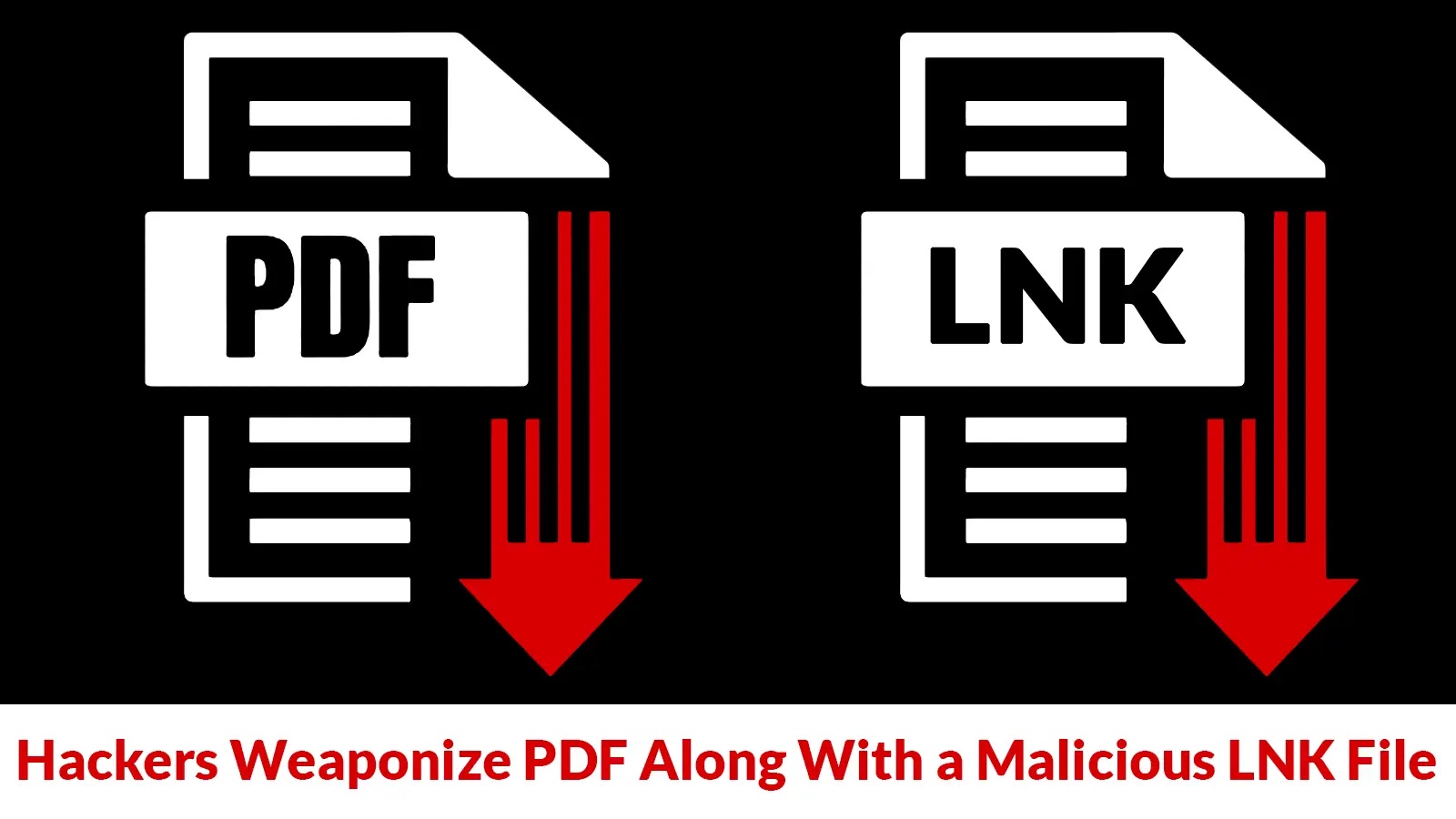
APT28 leveraged a malicious sample identified on VirusTotal, submitted on January 30, 2026. This sample, named document.doc.LnK.download, was linked to the group’s infrastructure. The exploit uses a crafted Windows Shortcut (.lnk) file with an embedded HTML file following the LNK structure.

Upon execution, the LNK file connects to a domain associated with APT28’s multi-stage attacks, wellnesscaremed[.]com. This technique manipulates trust boundaries using nested iframes and multiple Document Object Model (DOM) contexts, effectively bypassing security measures like the Mark of the Web and Internet Explorer Enhanced Security Configuration.

Mitigation and Security Measures

Microsoft addressed this vulnerability in their February 2026 Patch Tuesday update, implementing stricter validation for hyperlink protocols. This update ensures proper execution within the browser context, preventing direct calls to ShellExecuteExW.

Akamai has provided Indicators of Compromise (IOCs) to aid network defenders. These include specific file names, domain indicators, and MITRE techniques like T1204.001 and T1566.001. Organizations are urged to apply the latest security updates and remain vigilant against potential alternative delivery methods.

While APT28’s observed campaign utilized malicious .LNK files, any component embedding MSHTML could potentially trigger this vulnerability. Continuous vigilance and timely application of security patches remain crucial for protecting against such threats.
Cyber Security News Tags:Akamai, APT28, CVE-2026-21513, cyber attack, Cybersecurity, Exploit, malicious files, Microsoft, MSHTML, security patch, security update, threat intelligence, Vulnerability, zero-day

Post navigation

Previous Post: Google’s Quantum-Resistant HTTPS Initiative in Chrome
Next Post: Global Outage Disrupts Claude AI Services

Related Posts

Google Warns Multiple Hacker Groups Are Exploiting React2Shell to Spread Malware Google Warns Multiple Hacker Groups Are Exploiting React2Shell to Spread Malware Cyber Security News
China and Taiwan Accuse Each Other for Cyberattacks Against Critical Infrastructure China and Taiwan Accuse Each Other for Cyberattacks Against Critical Infrastructure Cyber Security News
China-based Threat Actor Mustang Panda’s Tactics, Techniques, and Procedures Unveiled China-based Threat Actor Mustang Panda’s Tactics, Techniques, and Procedures Unveiled Cyber Security News
GitLab Patches Multiple Vulnerabilities That Enables Denial Of Service And SSRF Attacks GitLab Patches Multiple Vulnerabilities That Enables Denial Of Service And SSRF Attacks Cyber Security News
Ransomware Actors Primarily Targeting Retailers This Holiday Season to Deploy Malicious Payloads Ransomware Actors Primarily Targeting Retailers This Holiday Season to Deploy Malicious Payloads Cyber Security News
Quantum Threats Preparing Your Encryption Strategy Quantum Threats Preparing Your Encryption Strategy Cyber Security News

Categories

  • Cyber Security News
  • How To?
  • Security Week News
  • The Hacker News

Recent Posts

  • GTFire Phishing Attacks Exploit Google Services for Data Theft
  • Criminal IP Showcases Threat Intelligence at RSAC 2026
  • Global Outage Disrupts Claude AI Services
  • APT28 Exploits MSHTML Zero-Day Vulnerability Before Patch
  • Google’s Quantum-Resistant HTTPS Initiative in Chrome

Pages

  • About Us – Contact
  • Disclaimer
  • Privacy Policy
  • Terms and Rules

Archives

  • March 2026
  • February 2026
  • January 2026
  • December 2025
  • November 2025
  • October 2025
  • September 2025
  • August 2025
  • July 2025
  • June 2025
  • May 2025

Recent Posts

  • GTFire Phishing Attacks Exploit Google Services for Data Theft
  • Criminal IP Showcases Threat Intelligence at RSAC 2026
  • Global Outage Disrupts Claude AI Services
  • APT28 Exploits MSHTML Zero-Day Vulnerability Before Patch
  • Google’s Quantum-Resistant HTTPS Initiative in Chrome

Pages

  • About Us – Contact
  • Disclaimer
  • Privacy Policy
  • Terms and Rules

Categories

  • Cyber Security News
  • How To?
  • Security Week News
  • The Hacker News