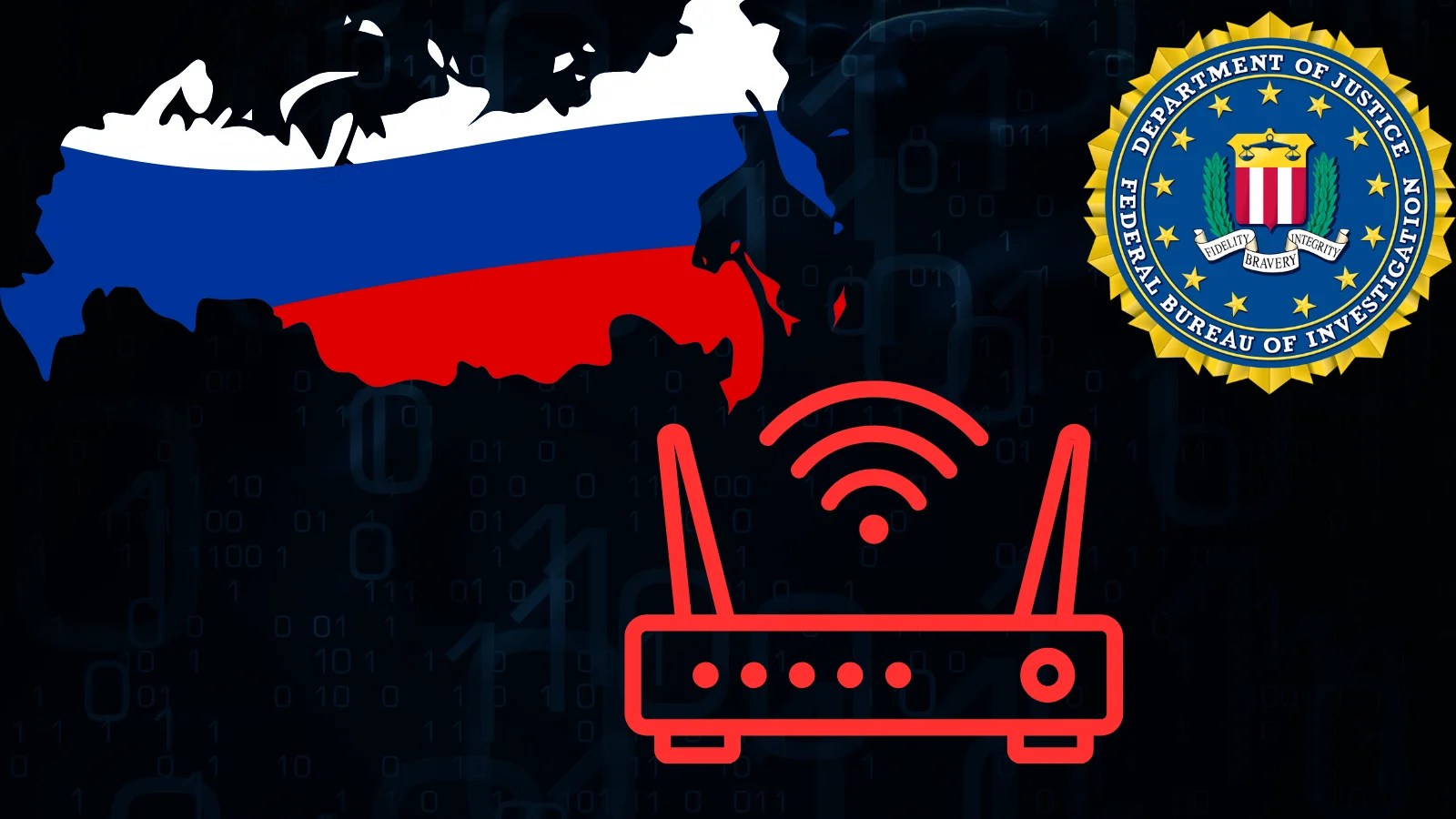
The Federal Bureau of Investigation (FBI), in collaboration with the U.S. Justice Department, has effectively dismantled a significant cyberespionage operation conducted by Russian intelligence. This successful action, named “Operation Masquerade,” was officially announced on April 7, 2026, marking a decisive step in safeguarding global cybersecurity.
Neutralizing the Cyber Threat
The operation targeted a network of compromised small office/home office (SOHO) routers that had been exploited by Russian military intelligence, specifically a hacking group known by various names including APT28 and Fancy Bear. These hackers had been active since 2024, taking advantage of known security flaws in TP-Link routers to access sensitive information.
Through unauthorized access, the attackers altered the routers’ Domain Name System (DNS) settings, redirecting internet traffic to servers they controlled. This allowed them to conduct targeted attacks on high-value sectors like military and government, using fraudulent DNS records to mimic legitimate services and intercept encrypted communications.
Technical Countermeasures Employed
In response, the FBI executed remote commands across affected routers in 23 states. These commands were designed to gather evidence, remove the malicious DNS settings, and restore the original configuration, effectively locking out the attackers. The operation was carefully tested in collaboration with MIT Lincoln Laboratory to ensure it did not interfere with normal router functionality or compromise user privacy.
The collaborative effort included the FBI’s field offices in Boston and Philadelphia, with critical intelligence support from Microsoft and Black Lotus Labs at Lumen. These joint efforts highlight the importance of public-private partnerships in combating cybersecurity threats.
Preventive Measures for Router Security
Despite the FBI’s success in securing compromised devices, they advise all SOHO router owners to take proactive steps to protect their networks. Recommendations include replacing outdated routers, updating firmware, verifying DNS settings, and reviewing firewall configurations to prevent unauthorized access.
The FBI is actively working with Internet Service Providers to inform affected users. Those suspecting their routers might be compromised are encouraged to check configuration guidelines on the TP-Link download center and report any issues to the FBI’s Internet Crime Complaint Center (IC3).
Stay informed about cybersecurity developments by following updates on Google News, LinkedIn, and X. For further inquiries or to share your cybersecurity stories, feel free to contact us.