Skip to content
  • Home
  • Cyber Map
  • About Us – Contact
  • Disclaimer
  • Terms and Rules
  • Privacy Policy
Cyber Web Spider Blog – News

Cyber Web Spider Blog – News

Globe Threat Map provides a real-time, interactive 3D visualization of global cyber threats. Monitor DDoS attacks, malware, and hacking attempts with geo-located arcs on a rotating globe. Stay informed with live logs and archive stats.

  • Home
  • Cyber Map
  • Cyber Security News
  • Security Week News
  • The Hacker News
  • How To?
  • Toggle search form
Critical Cloud Bucket Hijacking Threat Exposed

Critical Cloud Bucket Hijacking Threat Exposed

Posted on June 27, 2026 By CWS

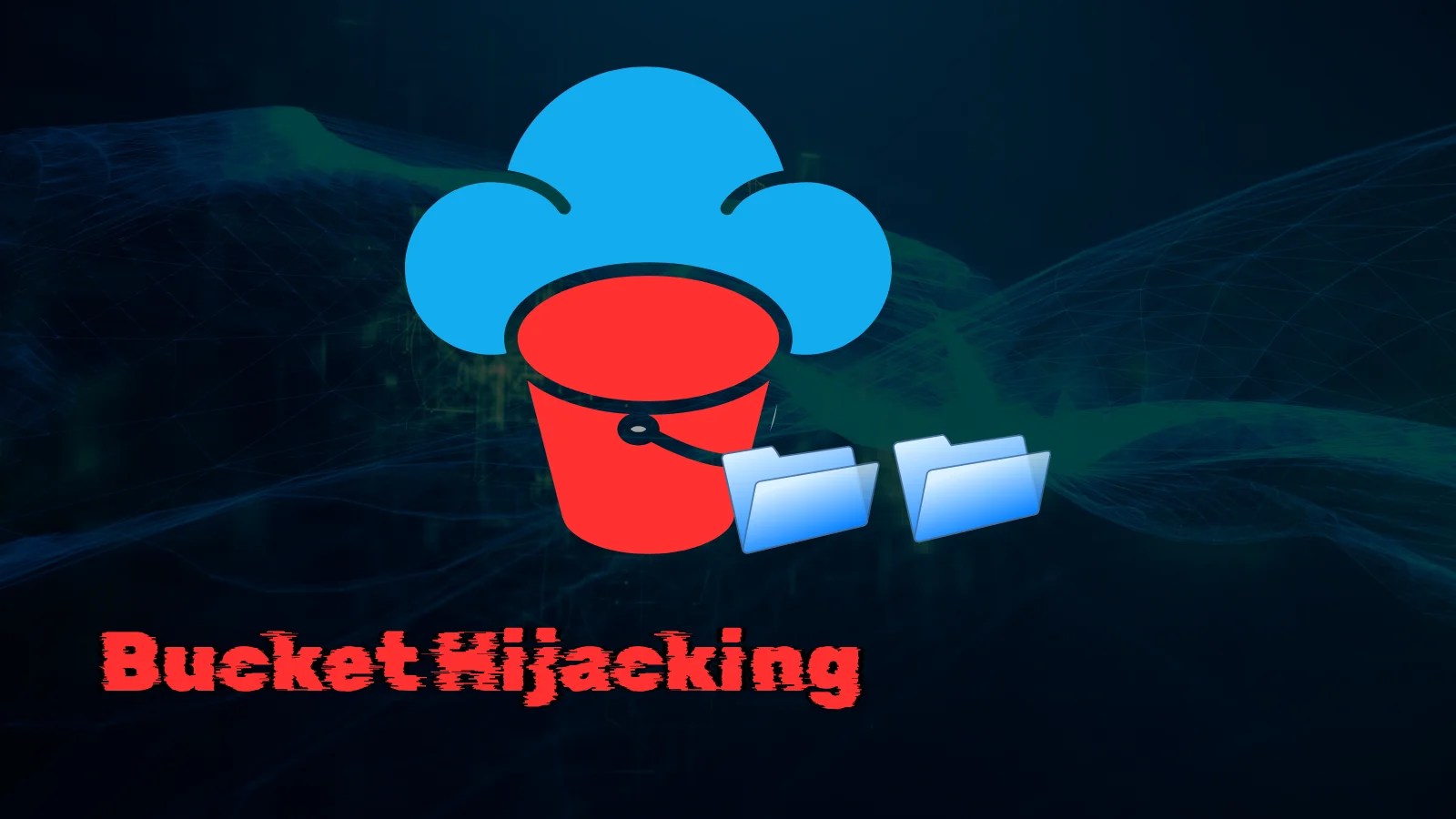
A newly identified cloud storage vulnerability termed ‘bucket hijacking’ poses a significant threat to data security. This technique allows hackers to reroute an organization’s cloud data streams, such as audit logs and telemetry, to their own storage locations across various cloud services.

Impacted Cloud Providers

The bucket hijacking method has been verified to affect major providers like Google Cloud, Amazon Web Services (AWS), and Microsoft Azure. Each of these platforms has been informed about the vulnerability through responsible disclosure channels.

Although no actual cases of exploitation have been reported, experts warn that if deployed, detecting this attack would be highly challenging. The vulnerability stems from a critical design flaw related to the global uniqueness of cloud storage bucket names.

Mechanics of the Attack

The attack leverages the fact that cloud storage bucket names must be unique globally. This means that the identity of a bucket is tied solely to its name, not to any specific account ownership. Consequently, if an intruder gains access to delete buckets within a cloud environment, they can perform the attack with ease.

By deleting a target’s active storage bucket and swiftly creating a new one with the same name under the attacker’s control, the data streams—whether from Google Cloud logging sinks, AWS S3 replication rules, or Azure Monitor exports—continue to operate unknowingly, directing data to the attacker’s bucket.

Security Implications and Recommendations

This type of attack is particularly insidious because it is self-sustaining. Once completed, the data stream configurations appear intact, not triggering any alerts or errors, allowing data to be siphoned off indefinitely.

Unit 42 carried out successful simulations of this attack on all major cloud platforms, highlighting the risk. They confirmed the method on Google Cloud Logging sinks, AWS S3 bucket replication, and Azure Monitor diagnostic settings.

To mitigate this threat, experts recommend implementing stringent access controls and continuous monitoring. Specifically, they advise restricting deletion permissions to essential administrative roles, enforcing data perimeter controls, and enabling account-specific bucket naming on AWS to prevent hijacking.

Broader Implications and Future Outlook

Researchers emphasize that this vulnerability is not confined to the tested providers; any cloud service with globally unique, static storage identifiers could be at risk. This revelation underscores the need for robust security strategies across multi-cloud environments.

As shared architectural principles among cloud providers can lead to similar vulnerabilities, security teams must remain vigilant. Ongoing research and proactive defense measures are crucial in safeguarding cloud infrastructures against evolving threats.

For a comprehensive list of features to enhance security operations, download the 2026 AI SOC Features Checklist.

Cyber Security News Tags:AWS, bucket hijacking, cloud platforms, cloud security, cloud storage, Cybersecurity, data protection, data streams, enterprise security, Google Cloud, IT security, Microsoft Azure, Privacy, security threats, Unit 42

Post navigation

Previous Post: Claude Mythos 5 Redeployed to Protect US Infrastructure
Next Post: OpenAI Unveils GPT-5.6 Sol with Enhanced Security

Related Posts

NVIDIA NeMo AI Curator Enables Code Execution and Privilege Escalation NVIDIA NeMo AI Curator Enables Code Execution and Privilege Escalation Cyber Security News
SystemBC Botnet Expands to 10,000 Devices for Global Attacks SystemBC Botnet Expands to 10,000 Devices for Global Attacks Cyber Security News
Critical Chrome Security Flaws Allow Remote Code Execution Critical Chrome Security Flaws Allow Remote Code Execution Cyber Security News
Hackers Weaponizing SVG Files to Stealthily Deliver Malicious Payloads Hackers Weaponizing SVG Files to Stealthily Deliver Malicious Payloads Cyber Security News
Critical XSS Flaw in Jira Could Compromise Organizations Critical XSS Flaw in Jira Could Compromise Organizations Cyber Security News
New Elastic EDR 0-Day Vulnerability Allows Attackers to Bypass Detection, Execute Malware, and Cause BSOD New Elastic EDR 0-Day Vulnerability Allows Attackers to Bypass Detection, Execute Malware, and Cause BSOD Cyber Security News

Categories

  • Cyber Security News
  • How To?
  • Security Week News
  • The Hacker News

Recent Posts

  • Critical Cisco Firewall Vulnerability Urges Immediate Action
  • SharePoint Vulnerability Abused After PoC Emerges
  • WordPress Urges Update to Fix Critical RCE Vulnerability
  • Hundreds of Fake VPN Extensions Divert Browser Traffic
  • Critical VMware vCenter Vulnerability Exploited by Hackers

Pages

  • About Us – Contact
  • Disclaimer
  • Privacy Policy
  • Terms and Rules

Archives

  • August 2026
  • July 2026
  • June 2026
  • May 2026
  • April 2026
  • March 2026
  • February 2026
  • January 2026
  • December 2025
  • November 2025
  • October 2025
  • September 2025
  • August 2025
  • July 2025
  • June 2025
  • May 2025

Recent Posts

  • Critical Cisco Firewall Vulnerability Urges Immediate Action
  • SharePoint Vulnerability Abused After PoC Emerges
  • WordPress Urges Update to Fix Critical RCE Vulnerability
  • Hundreds of Fake VPN Extensions Divert Browser Traffic
  • Critical VMware vCenter Vulnerability Exploited by Hackers

Pages

  • About Us – Contact
  • Disclaimer
  • Privacy Policy
  • Terms and Rules

Categories

  • Cyber Security News
  • How To?
  • Security Week News
  • The Hacker News

Copyright © 2026 Cyber Web Spider Blog – News.

Powered by PressBook Masonry Dark